


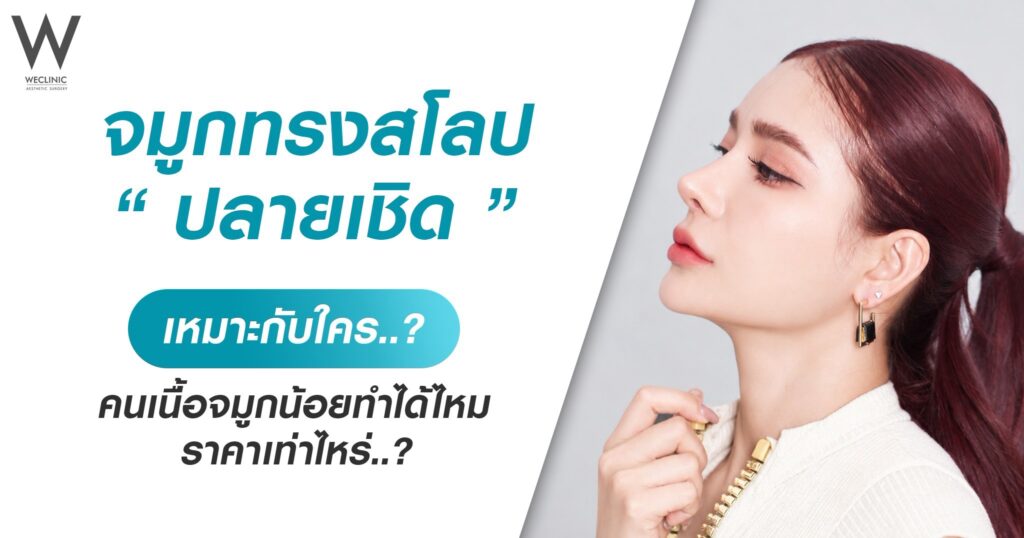
Many people are interested in a slope nose with an upturned tip because it can create a softer, more youthful appearance while adding definition and balance to the face. However, this nose shape is not suitable for everyone. The final result depends on several factors, including the existing nasal anatomy, skin thickness, and each individual’s facial proportions.
In this article, you’ll learn what a slope nose with an upturned tip is, who may be a suitable candidate, how it differs from other nasal shapes, and the key benefits, limitations, and important considerations before deciding on rhinoplasty. This information can help you have a more informed discussion with your surgeon when planning your procedure.
Table of Contentx
What Is a Slope Nose with an Upturned Tip?
A slope nose with an upturned tip is characterized by a smooth, gently curved nasal bridge rather than a straight or overly prominent profile. The nasal tip is subtly elevated, creating a harmonious relationship between the bridge, the tip, and the upper lip. Unlike an excessively upturned nose, the nostrils are not overly visible from the front, resulting in a softer, more youthful, and naturally balanced appearance.
Learn more: Rhinoplasty: Types, Techniques, and What You Should Know Before Surgery.

Key Characteristics of a Slope Nose with an Upturned Tip
- A gently sloping nasal bridge rather than a straight, rigid profile.
- A subtly elevated nasal tip.
- Creates a softer, brighter, and more youthful facial appearance.
- Offers a natural-looking result without appearing overly high or sharply defined, making it suitable for many Asian facial features.
What Is Considered an “Upturned Nasal Tip”?
In rhinoplasty, surgeons commonly use the nasolabial angle as one of the key measurements for evaluating nasal tip rotation. This angle is formed between the base of the nose and the upper lip and is assessed alongside the patient’s nasal anatomy, skin thickness, and overall facial proportions when designing the most suitable nasal shape.
In general, a nose with a subtly upturned tip has a slightly larger nasolabial angle than a straight-profile nose, allowing the tip to rotate upward naturally while creating a softer, more balanced, and youthful appearance. However, there is no single ideal angle that applies to everyone, as the optimal measurement varies depending on sex, ethnicity, and individual facial proportions.
A study by Armijo et al. (2012), published in Plastic and Reconstructive Surgery, evaluated aesthetic preferences for nasal tip rotation and found that the most attractive average nasolabial angle was approximately 90-100° in women and 85-95° in men. These findings suggest that a slightly elevated nasal tip is generally perceived as more harmonious and natural. Nevertheless, experienced rhinoplasty surgeons do not rely on numerical measurements alone but instead tailor the nasal tip angle to each patient’s anatomy and overall facial balance.
Types of Slope Noses with an Upturned Tip
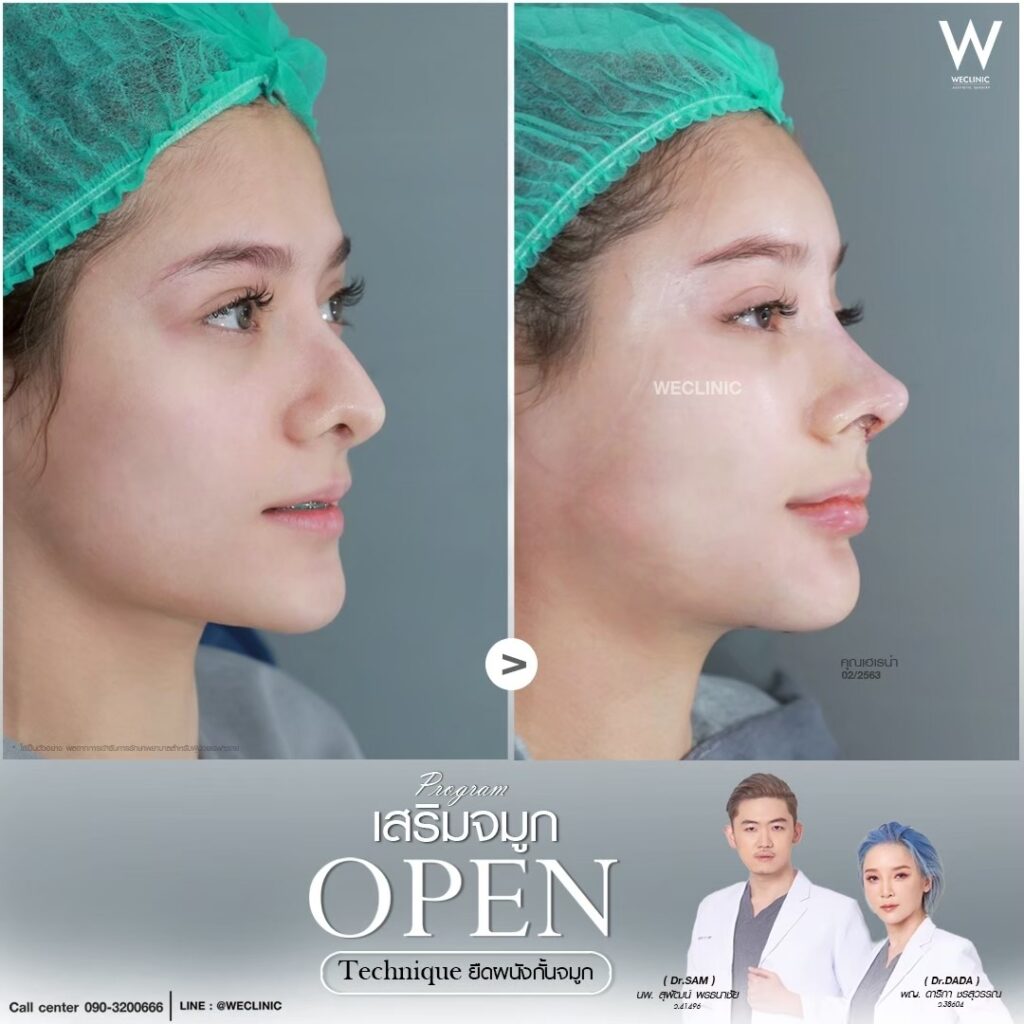
Although the term slope nose with an upturned tip is often used broadly, this nose style can be customized in several ways. The degree of bridge slope, nasal tip rotation, and overall contour can all be tailored to complement each patient’s facial anatomy and aesthetic goals. Some of the most popular variations include:
Barbie Nose with an Upturned Tip
A Barbie nose with an upturned tip features a more pronounced sloping bridge and greater nasal tip rotation than a standard slope nose with an upturned tip. This creates a sweeter, more defined, doll-like appearance while maintaining facial harmony. Unlike the classic Barbie nose, which typically emphasizes forward tip projection, this variation places greater emphasis on a naturally elevated nasal tip.
This style is particularly suitable for individuals with round or oval face shapes who want to enhance facial definition while maintaining a soft and natural overall appearance.
Learn more: What Is a Barbie Nose? Who Is It Suitable For?
Korean Nose with an Upturned Tip
A Korean-style nose with an upturned tip features a naturally sloping nasal bridge with slightly greater tip rotation than the traditional Korean projected-tip nose. The result is a brighter, softer, and more youthful appearance.
Rather than focusing on a high nasal bridge, this style prioritizes facial harmony and balanced proportions, making it a popular choice for patients seeking a subtle, naturally elegant Korean aesthetic.
Learn more: Korean Nose Shapes: Which Natural Projected-Tip Style Is Right for You?
Western-Style Nose vs. Slope Nose with an Upturned Tip: What’s the Difference?
Although these two styles are often confused, a Western-style nose and a slope nose with an upturned tip have distinct aesthetic characteristics.
A Western-style nose typically features a higher, straighter, and more defined nasal bridge with a noticeably elevated and projected nasal tip, creating a bold and sculpted appearance.
In contrast, a slope nose with an upturned tip emphasizes a smooth, gently sloping bridge and a subtly rotated nasal tip, resulting in a softer, more youthful, and natural-looking appearance.
Ultimately, the most suitable nose shape depends on each patient’s nasal anatomy, facial proportions, and aesthetic preferences. Your surgeon will evaluate these factors carefully to recommend the design that best complements your facial features.
Who Is a Good Candidate for a Slope Nose with an Upturned Tip?
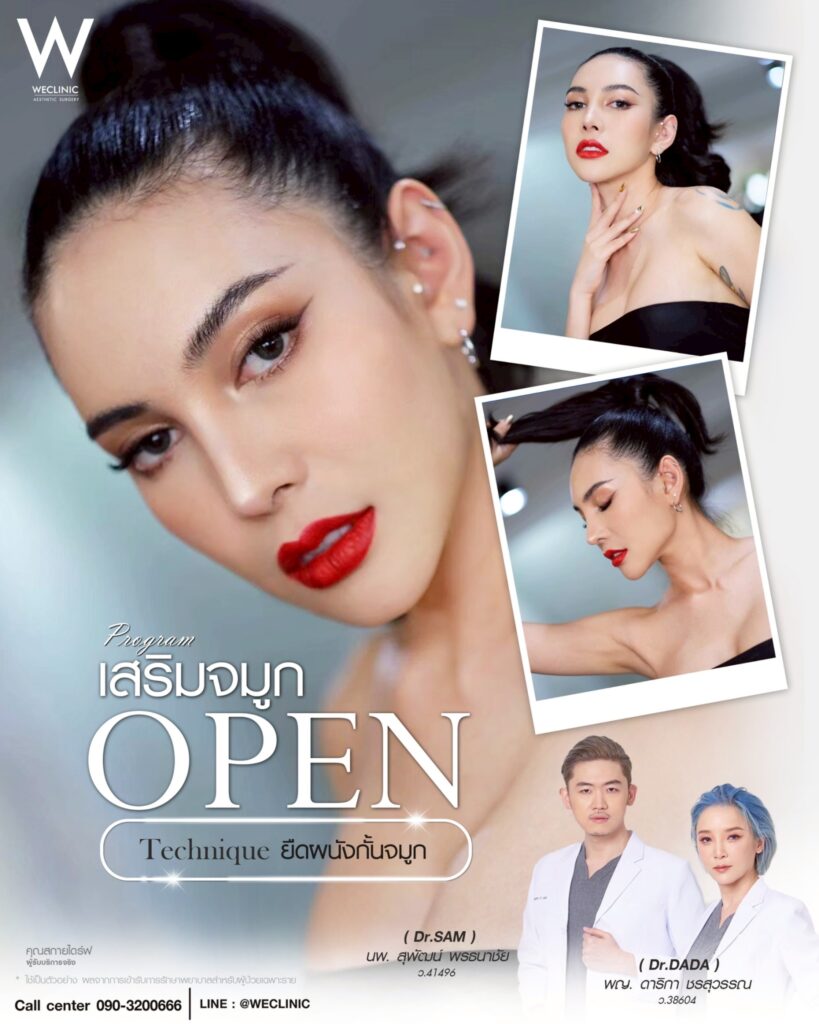
A slope nose with an upturned tip is well suited for individuals who want a softer, more youthful, and naturally refined facial appearance. When planning this nose shape, the surgeon evaluates not only the patient’s aesthetic goals but also the existing nasal anatomy, skin thickness, and overall facial proportions to determine the ideal bridge profile and degree of nasal tip rotation for each individual.
Facial Features That Are Well Suited for This Nose Shape
In general, a slope nose with an upturned tip may be a good option for individuals who have the following characteristics:
- An oval face shape, or those who wish to create a softer and more balanced facial appearance.
- A slightly drooping nasal tip, which can be refined with gentle tip rotation for a more natural-looking result.
- A relatively narrow nasal base without a prominent dorsal hump, minimizing the need for extensive structural modification.
- A preference for a natural-looking nose that is not excessively high or sharply defined and complements many Asian facial features.
Who May Not Be an Ideal Candidate for a Slope Nose with an Upturned Tip?
A slope nose with an upturned tip may not be the best option for every patient. However, this does not necessarily mean the procedure cannot be performed. Instead, the surgeon may recommend modifying the surgical technique or customizing the nasal design based on the patient’s individual anatomy.
- Patients with thin nasal tip soft tissue. Excessive tip rotation may place increased tension on the soft tissue envelope, potentially increasing the risk of nasal tip thinning or implant extrusion.
- Patients with a very short nose. The surgeon should carefully evaluate the length and elasticity of the nasal skin before increasing tip rotation. Over-rotating the tip may result in excessive nostril show.
- Patients with an alar rim retraction or prominent nostril show. Careful assessment of the relationship between the nasal tip and the alar rims is essential. If the nasal tip is rotated excessively while the alar rims remain low or disproportionate, the nostrils may become more noticeable and the overall nasal proportions may appear unbalanced. For this reason, the nasal tip should be designed in harmony with the existing alar rim position to achieve a natural and balanced result.
Can People with Thin Nasal Skin Get a Slope Nose with an Upturned Tip?
Yes. Patients with thin nasal skin can achieve a slope nose with an upturned tip, but a thorough evaluation by an experienced rhinoplasty surgeon is essential before surgery. Factors such as skin thickness, soft tissue elasticity, and the strength of the existing nasal cartilage all influence the choice of surgical technique and the final nasal design.
One of the main challenges in patients with thin nasal skin is that the soft tissue covering the nasal tip provides less camouflage for the underlying framework. As a result, the implant or structural grafts may become more visible or palpable. If the nasal shape or surgical technique is not carefully planned, the risk of long-term complications—including implant visibility, tip thinning, or implant extrusion—may increase.
Learn more: Rhinoplasty for Thin Nasal Skin and Short Noses: How Can You Achieve a Natural-Looking Result?
Potential Complications If the Procedure Is Not Properly Planned
- Implant Extrusion In patients with thin nasal skin, the soft tissue may not provide sufficient coverage or support for the implant. If the implant size, shape, or nasal design is inappropriate, the risk of implant extrusion may increase over time.
- Nasal Tip Thinning or Implant Visibility Thin soft tissue over the nasal tip may make the implant or underlying structural framework more visible or palpable, particularly if adequate soft tissue coverage is lacking.
- Excessive Soft Tissue Tension In patients with limited nasal tip soft tissue, excessive tip rotation without appropriate structural support can place excessive tension on the skin. Over time, this may compromise blood supply to the nasal tip, increasing the risk of tissue-related complications.
How Do Surgeons Plan Rhinoplasty for Patients with Thin Nasal Skin?
For patients with thin nasal skin, surgeons often focus on reinforcing the nasal tip framework while also increasing soft tissue coverage to reduce pressure from the implant and improve long-term stability. In many cases, auricular cartilage (ear cartilage) or postauricular soft tissue may be used to strengthen and support the nasal tip, allowing for safe and natural tip rotation.
In patients with very thin nasal tip skin, surgeons may also consider using an acellular dermal matrix (ADM) to increase soft tissue thickness and provide additional cushioning over the implant. For cases requiring more advanced nasal tip reconstruction, open rhinoplasty is often the preferred approach because it provides direct visualization of the underlying nasal framework, allowing the surgeon to position cartilage grafts and other structural materials with greater precision.
Having thin nasal skin does not necessarily mean that a slope nose with an upturned tip cannot be achieved. Rather, it means that the procedure requires meticulous surgical planning and techniques tailored to the patient’s individual nasal anatomy. This is why the surgeon’s experience plays a critical role in achieving a natural-looking result while minimizing the risk of long-term complications.
Potential Risks and Considerations of a Slope Nose with an Upturned Tip
Like all rhinoplasty procedures, creating a slope nose with an upturned tip carries potential risks and complications. Because this nose shape requires careful refinement of both the nasal bridge profile and nasal tip rotation, achieving a natural-looking result depends on balancing these features with the patient’s existing nasal anatomy and overall facial proportions. Inadequate surgical planning may affect both the aesthetic outcome and long-term structural stability.
According to the International Society of Aesthetic Plastic Surgery (ISAPS), rhinoplasty is one of the most commonly performed aesthetic procedures worldwide and is associated with high patient satisfaction. However, successful outcomes depend on comprehensive preoperative assessment, appropriate surgical techniques, and the experience of the operating surgeon.
Potential Risks of a Slope Nose with an Upturned Tip
- Over-rotated nasal tip If the degree of nasal tip rotation is excessive, the nose may appear overly upturned and less natural.
- Excessive nostril show Excessive elevation of the nasal tip may increase nostril visibility when viewed from the front, potentially affecting overall facial balance.
- Implant extrusion in patients with thin nasal skin Patients with thin skin or limited soft tissue over the nasal tip have a higher risk of nasal tip thinning or implant extrusion if the structural support is not adequately planned.
- Scar tissue formation and soft tissue contracture Scar tissue naturally develops as part of the healing process. In some patients, excessive scar contracture may alter the position or contour of the nasal tip over time.
Although these complications are possible, their risk can often be minimized through a thorough evaluation of the nasal anatomy, careful surgical planning, appropriate technique selection, and proper post-operative care. Before deciding on a slope nose with an upturned tip, patients should undergo a comprehensive consultation with an experienced rhinoplasty surgeon to determine the most appropriate surgical plan based on their individual anatomy and aesthetic goals.
How Long Does It Take for a Slope Nose with an Upturned Tip to Fully Settle?
| Recovery Timeline |
What to Expect | Precautions |
|---|---|---|
| Days 1–3 | Swelling and bruising are usually at their peak, and the face may appear puffier than usual. | Sleep with your head elevated, avoid sleeping face down, and do not touch or apply pressure to the nose. |
| 1 Week | The nasal splint is removed, swelling begins to subside, and the overall nasal shape becomes more noticeable. | Avoid strenuous exercise, accidental impact to the nose, and wearing heavy eyeglasses that place pressure on the nasal bridge. |
| 1 Month | Most swelling has resolved, and the nasal contour becomes more defined. Normal daily activities can usually be resumed. | Avoid contact sports or activities that may result in trauma to the nose. |
| 3 Months | The soft tissues continue to settle, and the nasal shape becomes more refined. | Most forms of exercise can be resumed, but contact sports should still be approached with caution. |
| 6 Months | Approximately 80–90% of the final result is typically visible. | Attend scheduled follow-up appointments with your surgeon to monitor healing and long-term results. |
| 1 Year | The nasal tissues and structural framework have generally healed and stabilized completely. | Continue routine follow-up with your surgeon as recommended. |
How Much Does a Slope Nose with an Upturned Tip Cost?
At WE Clinic, a slope nose with an upturned tip can be customized using different rhinoplasty techniques based on each patient’s nasal anatomy and treatment goals. The surgeon will recommend the most appropriate surgical approach and materials to achieve a natural-looking result.
| Rhinoplasty Procedure | Price |
|---|---|
| Closed Rhinoplasty with ADM (Acellular Dermal Matrix) for nasal tip support | 30,000 THB |
| Closed Rhinoplasty with ear cartilage graft and fat graft coverage | 35,000 THB |
| Closed Rhinoplasty with nasal osteotomy | 40,000 THB |
| Open Rhinoplasty with septal extension graft | 79,000 THB |
Note: Prices may vary depending on the patient’s nasal anatomy, the complexity of the procedure, and the surgical technique required.
The cost of a slope nose with an upturned tip varies from patient to patient because the surgical plan is individualized. Several factors may influence the overall treatment cost, including:
- Surgical technique – Open rhinoplasty is generally more complex than closed rhinoplasty, requiring a longer operative time and more extensive structural modification.
- Materials used – The choice of ear cartilage grafts, acellular dermal matrix (ADM), or other structural materials may affect the overall cost of the procedure.
- Case complexity – Patients with thin nasal skin, revision rhinoplasty, or those requiring multiple structural corrections often need more advanced techniques and additional grafting materials.
Before surgery, the surgeon will carefully evaluate the patient’s nasal anatomy, skin thickness, and aesthetic goals to recommend the most appropriate technique for creating a slope nose with an upturned tip. A personalized treatment plan, together with a clear explanation of the expected costs, will be provided before the procedure.
Conclusion: Slope Nose with an Upturned Tip
A slope nose with an upturned tip is designed to create a softer, more youthful, and naturally balanced facial appearance. However, achieving an attractive result depends on much more than the nose shape itself. Careful evaluation of the nasal anatomy, skin thickness, and overall facial proportions is essential for selecting the most appropriate surgical technique and materials for each individual.
Patients with thin nasal skin, a short nose, or a history of previous rhinoplasty may require additional structural reinforcement to achieve a safe and stable result. For this reason, anyone considering a slope nose with an upturned tip should undergo a comprehensive consultation with an experienced rhinoplasty surgeon to develop a personalized surgical plan that provides the most natural-looking outcome while maintaining long-term structural support and facial harmony.


สำหรับผู้อ่านทุกท่านที่มีข้อสงสัยเพิ่มเติม ทีมแพทย์ We Clinic ยินดีให้คำปรึกษาฟรี
โดยไม่มีค่าใช้จ่าย หรือสามารถปรึกษาหมอทาง facebook หรือ Line ได้ที่นี่เลยครับ