



Wondering what you can eat after chin augmentation? After surgery, many patients start craving their favorite foods or wonder when they can safely return to their normal diet. Although recovery from chin augmentation is generally straightforward, choosing the right foods during the early healing period plays an important role in supporting wound healing and recovery.
This guide covers the foods that are recommended, the foods you should avoid, and a recovery timeline to help you understand what to eat, what to avoid, and when you can gradually return to your regular diet after surgery.
Table of Contents
Why Is Your Diet Important After Chin Augmentation?
During the first 1–2 weeks after chin augmentation, the surgical site is still healing. Choosing the right foods plays an important role in the recovery process, as proper nutrition provides the nutrients needed for tissue repair while minimizing irritation to the surgical area. A well-balanced diet may also help reduce the risk of post-operative complications, such as inflammation and infection, during the early healing period.

The 3 Stages of Wound Healing After Chin Augmentation and the Nutritional Support Your Body Needs
Wound healing after chin augmentation is a continuous biological process, with each stage requiring different cellular activities and nutritional support. A review by Moretti et al. 2019 (PubMed PMID: 31600106) highlighted the essential role of nutrition throughout all phases of wound healing, emphasizing that appropriate dietary intake can promote tissue repair and help reduce the risk of post-operative complications.
1. Inflammatory Phase (Days 1–3)
During the first 1–3 days after surgery, the body immediately responds to the surgical wound. White blood cells remove bacteria, foreign materials, and damaged cells while initiating the healing process. As a result, swelling, redness, warmth, and mild discomfort around the surgical site are common and represent a normal part of the body’s healing response.
During this phase, choose soft, freshly prepared, and easy-to-chew foods, stay well hydrated, and avoid hard, chewy, or spicy foods to minimize mechanical stress on the surgical site, reduce irritation, and lower the risk of infection.
2. Proliferative Phase (Day 4 to Week 3)
As inflammation subsides, the body enters the proliferative phase, during which new collagen and connective tissue are produced to strengthen the healing wound. During this stage, it is important to consume adequate high-quality protein along with natural sources of vitamin C, such as guava, oranges, kiwifruit, and broccoli, to support collagen synthesis and tissue repair.
Vitamin supplements and dietary supplements are generally not recommended during the early recovery period. Certain products including vitamin E, fish oil, Ginkgo biloba extract, and some herbal supplements may affect blood clotting or interact with medications prescribed after surgery. If supplementation is necessary, consult your surgeon before taking any products.
3. Remodeling Phase (From Week 3 Onward)
Although the external incision may appear well healed, collagen fibers continue to reorganize and strengthen beneath the surface. During this phase, maintaining a balanced diet remains essential, with particular emphasis on protein and foods naturally rich in zinc, such as lean meats, eggs, legumes, nuts, and whole grains. Zinc plays an important role in tissue repair and collagen formation, supporting long-term wound healing.
Foods to Eat After Chin Augmentation
After chin augmentation, your body requires additional energy and nutrients to repair tissues, produce collagen, and support wound healing. Choosing the right foods can promote a smoother recovery, while certain foods may irritate the surgical site or prolong swelling. During the recovery period, focus on foods that are easy to eat, nutrient-dense, and well balanced, including the following:
- Soft, Easy-to-Chew Foods
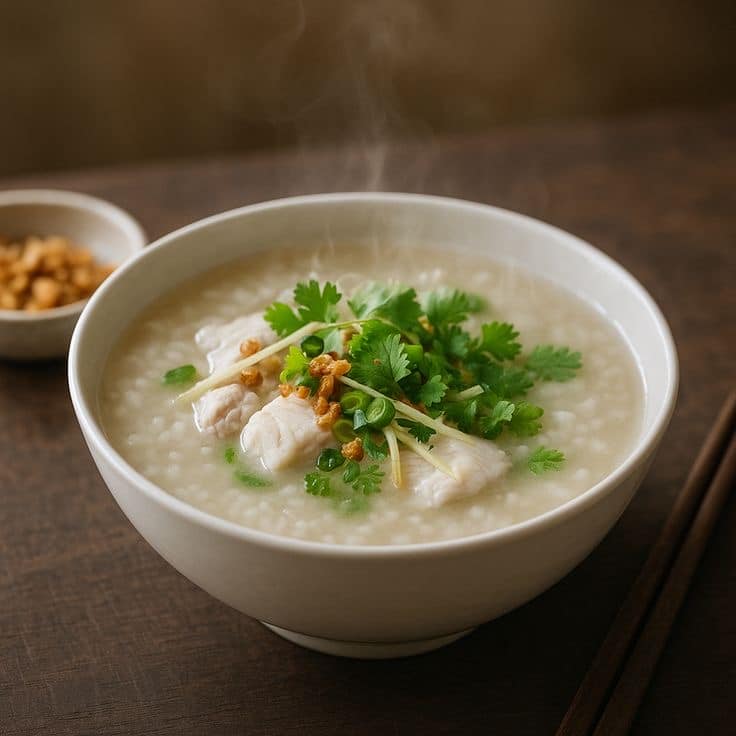
During the first few days after surgery, choose foods that require minimal chewing to reduce movement of the jaw muscles and minimize stress on the surgical site. Good options include rice porridge, congee, soup, steamed egg custard, soft tofu, and steamed fish. As swelling and discomfort improve, you can gradually return to your regular diet.
- High-Quality Protein
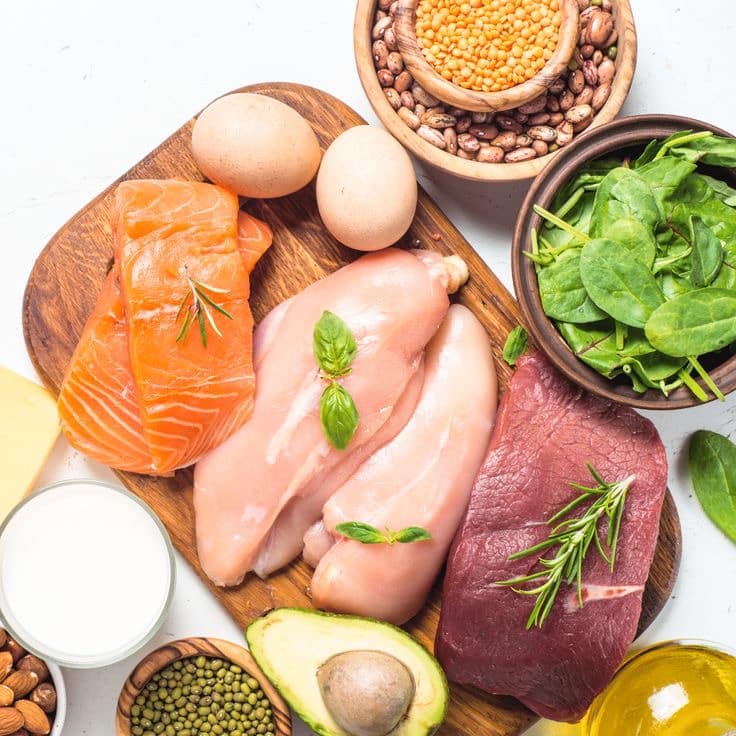
Protein requirements increase during recovery because protein is essential for collagen production, tissue repair, and the formation of new cells. Aim to include high-quality, easy-to-digest protein at every meal, such as freshwater fish, chicken, eggs, tofu, milk, and dairy products.
- Vitamin C-Rich Fruits and Vegetables
Vitamin C is essential for collagen synthesis, a key component of wound healing. It also functions as an antioxidant, supporting immune function and tissue repair. During recovery, include natural sources of vitamin C, such as guava, oranges, kiwifruit, strawberries, bell peppers, broccoli, and tomatoes.
- Zinc-Rich Foods
Zinc is an essential mineral that supports cell division, immune function, and wound healing. Good dietary sources include lean meats, eggs, pumpkin seeds, legumes, nuts, and whole grains.
- Healthy Fats
Healthy fats support the absorption of fat-soluble vitamins (A, D, E, and K), which play important roles in tissue repair and wound healing. Good sources include avocados, almonds, walnuts, sesame seeds, and olive oil as part of a balanced diet.
- Stay Well Hydrated
Adequate hydration helps maintain normal body function and supports the delivery of oxygen, nutrients, and immune cells to the healing tissues. Aim to drink at least 1.5–2 liters of water per day, unless otherwise advised by your healthcare provider.
Recommendation: After chin augmentation, eat a balanced diet rich in protein, fruits, and vegetables, and drink plenty of water. Vitamin supplements and dietary supplements are generally not recommended during the first month after surgery, unless approved by your surgeon.
Foods to Avoid After Chin Augmentation
While your surgical incision is healing, it is important to avoid foods and beverages that may interfere with recovery, irritate the surgical site, or increase the risk of infection.

- Hard, chewy, or difficult-to-chew foods require excessive biting and chewing, which may place stress on the surgical area, cause discomfort, and delay tissue healing.
- Spicy foods and high-sodium foods, such as heavily seasoned dishes, fermented pork sausage, fermented fish, pickled vegetables, and pickled fruits, may also be best avoided. Spicy foods may increase irritation, while excessive sodium can contribute to fluid retention and prolong swelling.
- Foods and beverages high in added sugar, including soft drinks, bubble tea, desserts, pastries, and candy, should be consumed in moderation. Excessive sugar intake may promote inflammation and potentially slow the wound-healing process.
- Raw or undercooked foods, such as sashimi, raw shrimp, raw fish, and raw eggs, may contain bacteria or parasites that increase the risk of infection while the surgical wound is still healing.
- Alcohol should be avoided during recovery, as it may interfere with wound healing, reduce collagen production, increase the risk of bleeding, and interact with pain medications or antibiotics prescribed after surgery. It is best to avoid alcohol until your surgeon advises it is safe to resume.
- Smoking should also be avoided. Nicotine constricts blood vessels, reducing the delivery of oxygen and nutrients to the healing tissues, which can delay recovery and increase the risk of post-operative complications.
For more information about chin augmentation and what to expect before surgery, read our complete guide to chin augmentation.
Summary Table: What to Eat and Avoid After Chin Augmentation
| Food | Recommendation | Suggested Timeline |
Notes |
|---|---|---|---|
| Rice porridge, steamed egg custard | ✅ Recommended | From Day 1 | Soft, easy-to-chew foods that are ideal while swelling is still present. |
| Milk, yogurt | ✅ Recommended | From Day 1 | Safe to consume unless you have a cow’s milk allergy or intolerance. |
| Bananas | ✅ Recommended | From Day 1 | Soft fruit that is easy to chew and suitable during recovery. |
| Clear noodle soup | ✅ Recommended | During the first week | Choose soft noodles, avoid serving it too hot, and limit spicy seasonings. |
| Coconut water, gotu kola juice, pumpkin juice | ✅ Recommended | From Day 1 | May help support hydration and recovery during the healing period. |
| Sticky rice, fried sun-dried beef | ❗ Limit / Avoid | Avoid for at least 1 month | Require significant chewing, which may place stress on the surgical site. |
| Som Tam with fermented fish | ❌ Avoid | Avoid for at least 1 month | Spicy and contains fermented ingredients or foods that may not be fully cooked. |
| Sashimi | ❌ Avoid | Avoid for at least 1 month | Raw foods may increase the risk of bacterial contamination. |
| Chewing gum | ❌ Avoid | Avoid for at least 1 month | Prolonged chewing may interfere with the healing process. |
| Beer and alcoholic beverages | ❌ Avoid | Avoid for at least 1 month | May interfere with recovery and wound healing. |
| Bubble tea, soft drinks | ❗ Limit / Avoid | During the first 1–2 weeks | Tapioca pearls require extensive chewing, while sugary drinks should be limited during recovery. |
Post-Operative Care After External Chin Augmentation
After external chin augmentation, mild swelling, tightness, or bruising around the chin is common during the first 2–3 days after surgery and typically improves as healing progresses. Proper post-operative care during the early recovery period can help minimize swelling, reduce the risk of complications, and support optimal wound healing.


Post-Operative Care Instructions
- Patients undergoing chin augmentation at WE Clinic can usually return home the same day and resume normal daily activities, while avoiding any impact or pressure to the chin.
- Apply a cold compress during Days 1–3 to reduce swelling and bruising. From Day 4 onward, switch to a warm compress until swelling gradually subsides.
- Avoid pressing, bumping, or unnecessarily touching the chin.
- Keep the incision clean and dry, and avoid getting it wet until the sutures have been removed and the wound has completely closed.
- Do not apply creams, ointments, or other products to the incision unless prescribed by your surgeon.
- Take all prescribed medications and follow your surgeon’s wound care instructions carefully.
- Sleep with your head elevated for the first 1–2 weeks to help reduce swelling, and avoid sleeping on your side or stomach for the first month.
- Avoid strenuous exercise and activities that may cause impact to the chin for at least 1–2 months.
- Do not pick, scratch, or frequently touch the incision, as this may increase the risk of infection.
Frequently Asked Questions About Eating After Chin Augmentation
What Should I Do If I Accidentally Eat Foods I Was Told to Avoid After Chin Augmentation?
If you accidentally eat a food that should be avoided after chin augmentation once and in a small amount, it is unlikely to affect your surgical wound immediately. The most important step is to stop consuming that food and return to the recommended post-operative diet for the remainder of your recovery.
Monitor your incision closely over the next 24–48 hours. If you notice increasing swelling, redness, warmth, unusual pain, drainage, pus, or develop a fever, contact your clinic or surgeon promptly for evaluation. Do not self-medicate without medical advice.
Can I Eat Eggs After Chin Augmentation? Will They Cause Raised Scars?
Yes. Eggs are safe to eat after chin augmentation and are an excellent source of high-quality protein, which supports tissue repair and wound healing during recovery.
The belief that eating eggs causes raised or keloid scars is not supported by current medical evidence. The development of these scars is primarily influenced by individual factors, such as genetics, wound location, and the body’s healing response, rather than egg consumption.
Can I Drink Coffee After Chin Augmentation?
It is generally recommended to avoid coffee during the first 1–2 weeks after surgery, as caffeine may interfere with sleep. Adequate sleep, particularly deep sleep, plays an important role in recovery and wound healing.
Once your incision has healed well, you can gradually resume drinking coffee. Limit your intake to 1–2 cups per day, choose lower-sugar options such as black coffee or a latte, and stay well hydrated throughout the day.
Summary: What to Eat After Chin Augmentation
Choosing the right foods after chin augmentation plays an important role in supporting wound healing and recovery. During the early healing period, focus on soft, easy-to-chew foods, consume adequate high-quality protein, include plenty of fruits and vegetables, and stay well hydrated. At the same time, avoid hard or chewy foods, spicy foods, raw foods, alcohol, and smoking until your incision has healed.
If you are unsure whether a particular food is safe to eat after chin augmentation, consult your surgeon for guidance based on your stage of recovery. Following the appropriate dietary and post-operative care recommendations can help promote smoother healing and reduce the risk of complications.
References
Moretti D, Giannì AB, Cherubino M, et al. Wound healing and nutrition: Evidence and clinical considerations. Adv Wound Care (New Rochelle). 2019;8(11):581–590. PMID: 31600106. https://pubmed.ncbi.nlm.nih.gov/31600106/

สำหรับผู้อ่านทุกท่านที่มีข้อสงสัยเพิ่มเติม ทีมแพทย์ We Clinic ยินดีให้คำปรึกษาฟรี
โดยไม่มีค่าใช้จ่าย หรือสามารถปรึกษาหมอทาง facebook หรือ Line ได้ที่นี่เลยครับ