




A protruding chin is not only an aesthetic concern. It can also affect various aspects of daily life, including facial appearance, self-confidence, oral health, and even chewing function. Some people may feel less confident about smiling because of the appearance of their chin.
A protruding chin can be caused by several factors, and each cause may require a different approach to chin correction. In this article, WE Clinic will help you better understand what causes a protruding chin and the treatment options available to correct it.
What Is a Protruding Chin and What Causes It?
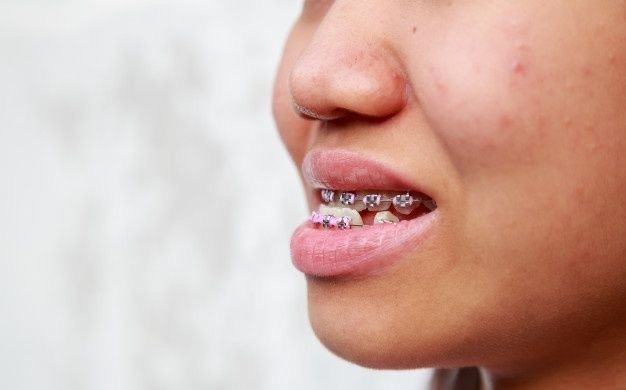
A protruding chin (prognathism) is a condition in which the chin or lower jaw projects farther forward than usual, affecting overall facial balance. This is often most noticeable from the side profile, where:
- The lower lip projects farther forward than the upper lip.
- The soft tissue and bony prominence of the chin extend beyond the lower lip.
As a result, the face may appear stronger, less soft, or less harmonious in relation to other facial features such as the forehead and nose. A protruding chin is not only an aesthetic concern. It may also affect daily function, including bite alignment, chewing, and in some cases speech clarity, which can influence both confidence and quality of life.
A protruding chin can develop for several reasons, including genetics, abnormal growth of the jaw bones, imbalances in facial muscle function, or disproportion among facial structures. Treatment may involve orthodontic treatment, external chin surgery,
or orthognathic jaw surgery, depending on the underlying cause. A qualified doctor will assess the facial structure in detail to identify the true cause and determine the most appropriate treatment approach.

7 Common Causes of a Protruding Chin
A protruding chin can develop for several different reasons, including the following:
- Genetics Genetics is one of the most common causes of a protruding chin. If close family members have a long lower jaw or a prominent chin, similar facial characteristics may be passed down because skeletal growth is strongly influenced by inherited factors.
- Abnormal Jaw Growth During childhood or adolescence, if the lower jaw grows more than the upper jaw, the chin may gradually become more prominent. This type of imbalance often becomes more noticeable as facial growth continues with age.
- Abnormal Growth Hormone Levels Excessive growth hormone production, such as in patients with acromegaly, can cause excessive enlargement of the jaw bones and make the chin appear disproportionately prominent.
What is acromegaly? It is a condition in which the body produces too much growth hormone (GH), leading to abnormal enlargement of bones and soft tissues. - Congenital Conditions Certain conditions present from birth, such as cleft lip and palate or congenital abnormalities of the facial skeleton, may result in underdevelopment of the upper jaw. This can make the lower jaw and chin appear more prominent.
- Childhood Habits and Environmental Factors Long-term habits such as thumb sucking, tongue thrusting, or mouth breathing may influence facial and jaw development and contribute to an abnormal bite or a more protrusive lower facial appearance over time.
- Abnormal Tooth Alignment or Bite Conditions such as a crossbite or underbite, where the lower teeth extend farther forward than the upper teeth, can make the chin appear more protruding. Even when the underlying bone structure is not the primary cause, the bite relationship can still affect the overall facial profile.
- Trauma or Injury Trauma to the jaw, especially during periods of active facial growth, may disrupt normal bone development and lead to asymmetry or structural changes that can contribute to a protruding chin later in life.

What Are the Different Types of Protruding Chin?
A protruding chin can be classified according to its underlying cause and structure. The main types include:
- Protruding Chin Caused by the Jawbone This occurs when the lower jaw grows excessively or, in some cases, when the upper jaw is underdeveloped. The imbalance between the upper and lower jaws can make the chin appear noticeably prominent and may affect the overall facial structure. Surgical treatment may be required depending on the severity and underlying cause.
- Protruding Chin Caused by the Bite (Dental Prognathism) In some people, the jawbone itself may not protrude significantly, but the lower teeth extend in front of the upper teeth (underbite). This can make the chin appear protruding from the outside even though the main problem is related to tooth alignment. Treatment may involve orthodontics or other dental treatment, depending on the individual case.
- Prominent Chin Bone In some cases, the bony prominence at the tip of the chin projects farther forward than usual. This is often associated with genetics and can be noticed by feeling a prominent bony projection at the front of the chin. It may also make the chin appear square or dimpled. Depending on the structure, this type of protruding chin can be corrected surgically.
- Protruding Chin Caused by an Enlarged Chin Muscle The mentalis muscle is located at the front of the chin and plays a role in facial expression and movement of the lower lip. If this muscle is thicker or more prominent than usual, it may appear as a soft bulge at the front of the chin that moves with speaking or lip movement. In some cases, this can be treated with botulinum toxin (Botox) injections.
Some patients may have more than one contributing factor at the same time, so the underlying cause should be assessed before choosing the appropriate treatment.
Treatment Options for a Protruding Chin
1. Chin Augmentation
Chin augmentation may be suitable for patients whose chin appears protruding but whose lower lip does not project beyond the upper lip, suggesting that the problem is not primarily caused by true skeletal prognathism. In these cases, chin augmentation can help improve facial balance by reshaping and refining the chin contour.
The surgeon places a silicone implant over the chin and customizes its shape to match the patient’s facial proportions, ensuring that the chin does not project beyond the lower lip. The goal is to create a chin that appears longer, slimmer, and more harmonious with the rest of the face.
2. Orthodontic Treatment
If the protruding appearance is caused by an underbite, where the lower teeth extend in front of the upper teeth, and the problem is not severe, orthodontic treatment may help correct the bite without surgery.
By repositioning the teeth and improving bite alignment, orthodontics can also improve overall facial balance. However, one limitation is that treatment usually takes time before noticeable results are achieved.
3. Orthognathic Jaw Surgery
This option is generally considered for patients whose protruding chin is caused by the underlying jaw structure or when the condition is more severe. Surgery can reposition the lower jaw and in some cases the upper jaw as well—to create a more balanced relationship between the jaws and facial profile.
Because jaw growth should be complete before surgery, the procedure is generally considered after skeletal growth has stabilized, often around 18–20 years of age or older, depending on the individual.
4. Orthodontics Combined with Jaw Surgery
For patients who have both bite problems and skeletal jaw abnormalities, a combination of orthodontic treatment and jaw surgery may provide the most comprehensive correction.
Orthodontic treatment is typically performed before and after jaw surgery, and in some cases chin augmentation may also be considered. The exact treatment sequence depends on the doctor’s assessment and the patient’s individual anatomy.
Although this approach usually requires a longer and more complex treatment process, it can address both tooth alignment and jaw position together for a more complete correction.

Is Your Chin Protruding? 5 Simple Signs You Can Check at Home
Many people may not notice that they have a protruding chin because they are used to seeing their own face every day. However, certain signs can be noticed in daily life. You can start by checking these five common features:
- The Lower Jaw Projects Forward More Than Usual From the side profile, the lower jaw or chin appears to project farther forward than the rest of the face. In some people, this can make the facial profile look stronger or less balanced, even when other features such as the eyes or nose are well proportioned.
- The Lower Teeth Sit in Front of the Upper Teeth Normally, the upper teeth slightly overlap the lower teeth. If the lower teeth extend in front of the upper teeth, this may indicate an underbite, which is an important sign associated with a protruding lower jaw. Over time, an abnormal bite can also contribute to problems such as tooth wear or difficulty chewing.
- Difficulty Biting with the Front Teeth People with a protruding jaw may have difficulty biting through certain foods with their front teeth, such as noodles, leafy vegetables, or small pieces of fruit, and may rely more on the back teeth instead. Although this may seem like a minor issue, it can be an important sign of an underlying bite or jaw alignment problem.
- Difficulty Pronouncing Certain Sounds Clearly When the bite is misaligned, some sounds that depend on the position of the front teeth may be harder to pronounce clearly. This can affect speech and may also reduce confidence when speaking.
- Difficulty Chewing or Jaw Fatigue An uneven bite can make chewing less efficient and require more effort from the jaw muscles. Some people may also experience jaw fatigue or soreness, and if the problem persists, it may place additional stress on the temporomandibular joint (TMJ).


Should You Have Jaw Surgery Before or After Orthodontic Treatment?
Many people with protruding chin or jaw abnormalities wonder whether they should have orthodontic treatment first or undergo surgery first. The answer depends on the type and severity of the problem, as well as the treatment plan developed by the specialists involved.
In general, there are three main approaches:
Orthodontic Treatment Before Surgery
This is the most common approach and is suitable for patients who have misaligned teeth or bite problems along with a jaw abnormality. Orthodontic treatment is used to move the teeth into the appropriate positions before jaw surgery.
The jaw can then be surgically repositioned to match the new tooth alignment, helping achieve better facial balance and long-term bite alignment.
Surgery Before Orthodontic Treatment
This approach may be considered for patients with significant skeletal abnormalities, such as a severely protruding or recessed jaw that affects functions such as breathing or chewing.
Jaw surgery is performed first to reposition the underlying skeletal structure. Orthodontic treatment is then used to adjust the teeth to fit the new jaw position.
Orthodontic Treatment and Surgery as Part of the Same Treatment Plan
In some complex cases, orthodontic treatment and jaw surgery may be planned in close coordination to address both tooth alignment and skeletal abnormalities as part of the same treatment process.
The exact timing and sequence depend on the patient’s jaw structure, bite, and treatment plan. This coordinated approach aims to achieve both proper bite alignment and improved facial balance.
What Are the Non-Surgical Treatment Options for a Protruding Chin?
Although surgery can provide the most significant and long-lasting correction for a protruding chin caused by skeletal problems, it is not always the only option. For those who are not ready or suitable for surgery, several non-surgical treatments may help improve facial balance without surgical downtime.
These treatments cannot correct the underlying bone structure, but they may help make the chin appear less prominent and create better overall facial proportions.
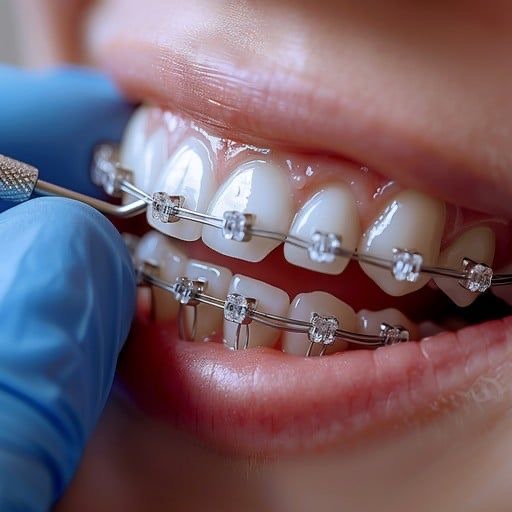
1. Orthodontic Treatment
If the protruding appearance is caused by an underbite or abnormal tooth alignment, orthodontic treatment can be an effective non-surgical option.
By repositioning the teeth and improving bite alignment, orthodontic treatment can help create better facial balance. In some cases, tooth extraction or retainers may also be required as part of the treatment plan to help achieve and maintain the desired results.
2. Chin Filler
Chin filler does not directly correct a truly protruding jaw or chin. Instead, it can be used to adjust facial proportions and create a more balanced appearance. It may be considered in selected patients with mild concerns or other contour irregularities around the chin.
The filler is injected into carefully selected areas to improve facial proportions. Results may last approximately 12–18 months, depending on the type of filler used, individual metabolism, and other factors.
3. Botulinum Toxin for the Masseter or Chin Muscles
In some people, the chin may appear more prominent not because of the underlying bone structure, but because of overactive chin muscles or prominent masseter muscles.
Botulinum toxin injections can help relax targeted muscles, reduce excessive muscle contraction, and soften the appearance of the lower face. Results generally last around 4–6 months, although the duration can vary between individuals.
How to Prepare Before Protruding Chin Correction Surgery
Before undergoing surgery to correct a protruding chin, proper physical and mental preparation is important. It can help reduce the risk of complications and support a smoother recovery.
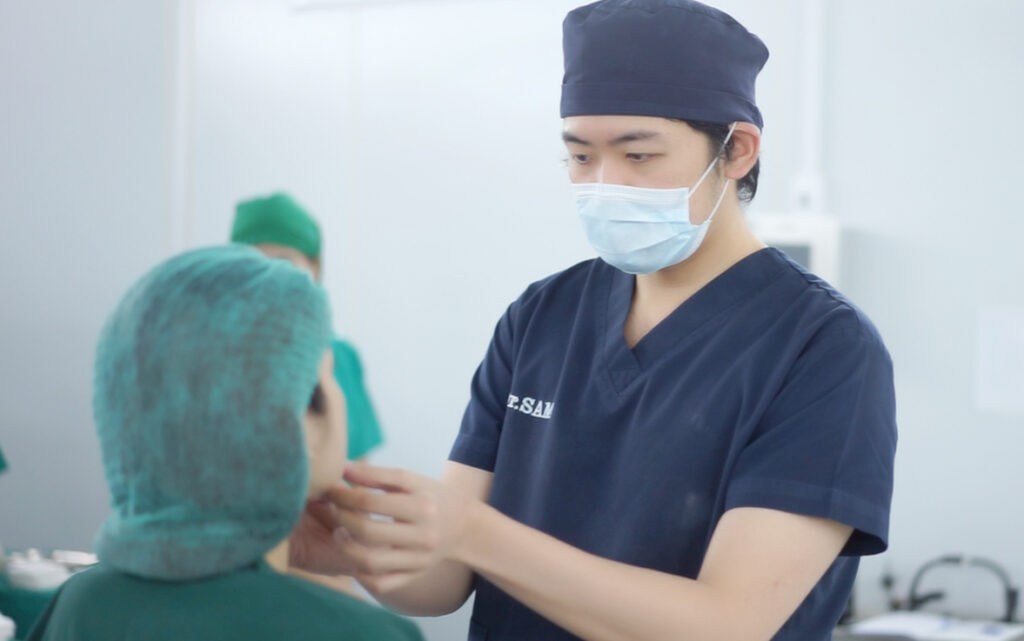
1. Consult an Experienced Doctor
Consult a doctor with experience in jaw surgery or facial skeletal surgery to understand the treatment process, expected outcomes, and potential risks. The doctor will also perform a physical examination and assess your facial structure before developing an appropriate surgical plan.
2. Provide a Complete Medical History
Inform your doctor about any underlying medical conditions, current medications, drug allergies, and previous surgeries. Providing complete medical information helps the medical team plan the procedure safely and reduce the risk of complications.
3. Avoid Medications That May Affect Blood Clotting
Certain medications, such as aspirin or some anti-inflammatory drugs, may affect blood clotting and increase the risk of bleeding during surgery. Your doctor will advise you whether these medications need to be stopped and how long before surgery.
4. Avoid Smoking and Alcohol
Smoking and alcohol can interfere with wound healing and recovery and may increase the risk of postoperative complications. It is generally recommended to avoid both for at least 2 weeks before surgery, or according to your doctor’s instructions.
How to Care for Yourself After Protruding Chin Correction Surgery

- Use cold and warm compresses correctly During the first 3 days after surgery, apply a cold compress to help reduce swelling and bruising. From Day 4 onward, you can switch to a warm compress and continue until the swelling has noticeably improved.
- Keep the incision dry Avoid getting the surgical wound wet until it has dried properly and the sutures have been removed. Do not scratch, pick at the incision, or apply creams, ointments, or other products unless they have been prescribed by your doctor.
- Pay attention to your sleeping position Sleep with your head elevated during the first 1–2 weeks to help reduce swelling. Avoid sleeping on your side or stomach during the first month, as pressure on the chin may affect the healing contour.
- Avoid strenuous or high-impact activities Refrain from strenuous exercise and activities that may cause impact to the chin for approximately 1–2 months. You should also avoid pressing on the surgical area or repeatedly pushing against the chin from inside the mouth.
- Take medications as prescribed Take all medications exactly as instructed by your doctor. Choose clean, thoroughly cooked foods during recovery, and avoid raw or undercooked foods, seafood, fermented or pickled foods, smoking, and alcohol for at least 1 month.
- Monitor for unusual symptoms If you notice worsening pain or swelling, heavy bleeding, pus, or other abnormal changes around the incision, contact your doctor promptly for evaluation.
How Much Does Chin Augmentation for a Protruding Chin Cost?

The cost of chin correction with chin augmentation starts from THB 19,900–85,000, depending on the surgical technique and the complexity of each case.
At WE Clinic, chin augmentation is used to help improve facial balance and refine the chin contour. Every patient is assessed individually by a doctor before treatment so that the appropriate surgical approach and estimated cost can be determined based on the patient’s facial structure and specific concerns.
Frequently Asked Questions About a Protruding Chin
Q: What Causes a Protruding Chin?
A protruding chin can be caused by several factors. Genetics may influence the growth of the lower jaw, causing it to develop more prominently than usual. Hormonal abnormalities can also contribute to excessive jaw growth.
Other possible causes include jaw injuries or trauma that affect the development or structure of the jaw, as well as congenital conditions, such as cleft lip and palate.
Q: Can Orthodontic Treatment Correct a Protruding Chin?
A: Orthodontic treatment can help correct a protruding appearance in some cases, particularly when the main problem is related to tooth alignment or an abnormal bite.
However, if the protruding chin is primarily caused by the underlying jawbone structure, orthodontic treatment alone may not be sufficient. Depending on the individual case, orthodontics may need to be combined with jaw surgery or chin augmentation to achieve a more appropriate correction.
Q: Can You Get Chin Augmentation If You Already Have a Protruding Chin?
A: Yes, chin augmentation may be considered in selected patients with a protruding chin. The doctor will first assess whether the protrusion comes from the chin itself, the jawbone, or the bite before determining whether chin augmentation is appropriate.
In suitable cases, a silicone implant can be placed and carefully shaped to refine the chin contour and reduce the appearance of excessive projection. The doctor will also assess the chin angle in relation to the lower lip, avoiding excessive forward projection that could make the chin appear overly curved or unnatural. The goal is to create a more defined, slimmer-looking chin that blends naturally with the overall facial proportions.


สำหรับผู้อ่านทุกท่านที่มีข้อสงสัยเพิ่มเติม ทีมแพทย์ We Clinic ยินดีให้คำปรึกษาฟรี
โดยไม่มีค่าใช้จ่าย หรือสามารถปรึกษาหมอทาง facebook หรือ Line ได้ที่นี่เลยครับ