

Many individuals with round facial features often face the same concern no matter which angle they photograph from, their face may still appear soft, lacking definition and dimension. A short or recessed chin can make the lower face look fuller and less proportionate, subtly affecting overall facial harmony and confidence.
One of the most common underlying causes is an under-projected or retruded chin that does not align well with the overall facial structure. By refining the chin projection and angle, the jawline can appear more defined, and the face can take on a slimmer, more balanced, and naturally contoured appearance.
For those who are still unsure whether chin augmentation is suitable for a round face—or which technique would deliver the most harmonious results—Dr. Sam from WE Clinic has carefully outlined the key considerations you need to know in this article.
Can Round Faces Get Chin Augmentation?
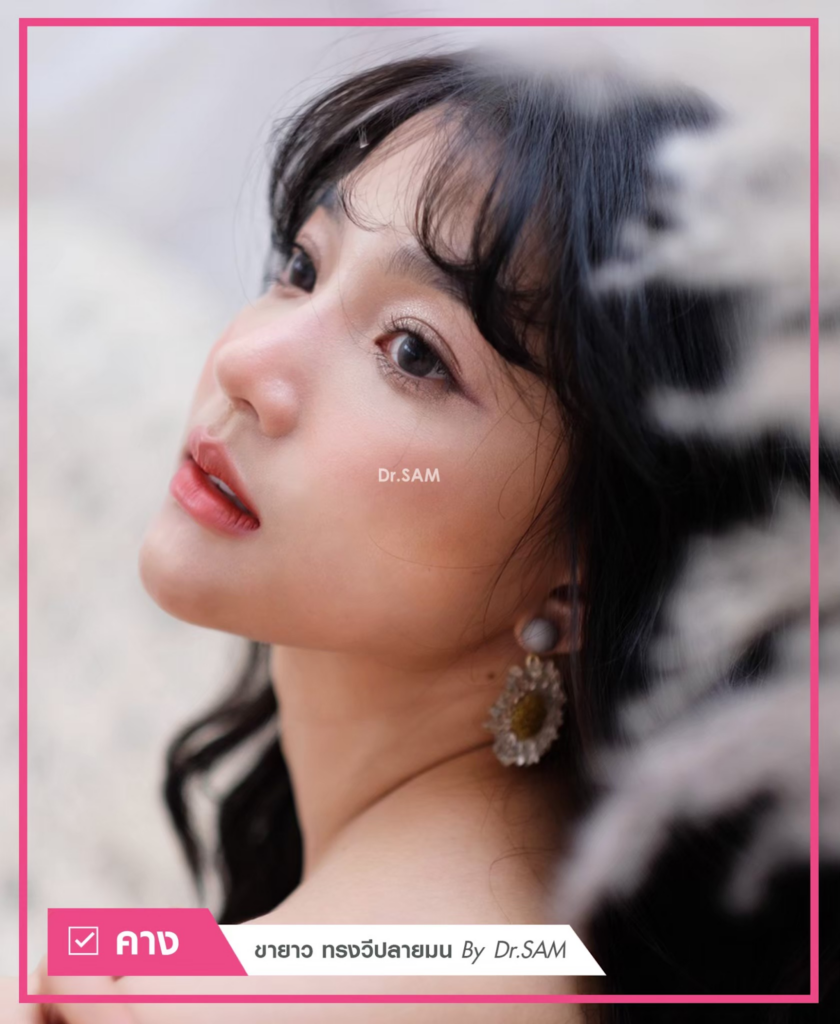
*ใช้เป็นตัวอย่างผลจากการเข้ารับการรักษาพยาบาลสำหรับผู้ป่วยเฉพาะราย
Absolutely. Individuals with round facial features can benefit significantly from chin augmentation, as it is an effective way to create a longer, more refined facial shape. By enhancing chin projection, the overall proportions of the face become more balanced, helping the face appear slimmer and more defined.
At WE Clinic, Dr. Sam specializes in an external incision technique combined with a long silicone implant. This approach allows for precise positioning and seamless integration with the natural chin structure preventing a bulky appearance, reducing the risk of sagging, and eliminating visible transitions. The result is a smooth, well-defined chin that enhances facial dimension while maintaining a soft, natural look.
For more details, read: What Is Chin Augmentation? A Complete Guide to Achieving a Defined, V-Shape Facial Contour
Can Chin Augmentation Make a Round Face Look Slimmer?
Yes chin augmentation can significantly enhance facial proportions in individuals with round faces, creating the appearance of a slimmer and more defined lower face. This is especially noticeable in those with a short or retruded chin, where even subtle projection can lead to a more balanced and elongated facial contour.
By refining the chin, the lower third of the face becomes more proportionate, allowing the jawline to appear sharper and more structured while maintaining a natural overall look.
It is important to understand that an ideal chin is not simply the longest or most projected one, but rather a chin that is in harmony with the forehead, jawline, and overall facial structure. For patients with round faces, an external incision technique is often recommended, as it allows the surgeon to precisely control the position and angle of the implant. This results in a smoother, more refined chin that enhances facial definition while preserving natural softness.
Which Chin Augmentation Techniques Are Suitable for a Round Face with a Very Short Chin?
For individuals with a round face and a significantly short chin who wish to achieve a slimmer appearance, selecting the right surgical technique is crucial. The choice of method directly impacts both facial balance and the final aesthetic outcome. Below is a detailed overview of the most suitable chin augmentation techniques for this facial structure.
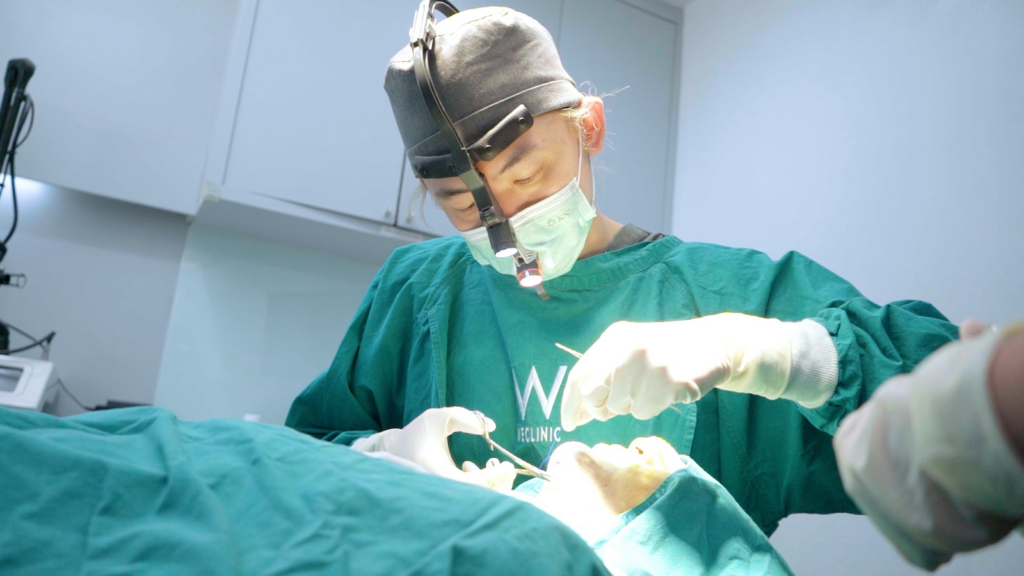
External Incision Chin Augmentation
External incision chin augmentation involves making a small incision beneath the chin, typically measuring around 2–4 cm, to allow precise placement of a silicone implant. This approach enables the surgeon to carefully design the projection and downward angle of the chin, helping to elongate the face and create a more refined, proportionate contour tailored to each individual.
The procedure is usually performed under local anesthesia and takes approximately 30–45 minutes, depending on the complexity of the case.
After creating a pocket and carefully dissecting the tissue along the inferior border of the chin, the implant is positioned accurately and secured beneath the periosteum to minimize the risk of displacement. The incision is then closed meticulously to ensure optimal healing.
Advantages of External Incision Chin Augmentation
- Allows precise control of implant position and angle
- Ideal for round faces with a short, retruded, or blunt chin
- Long silicone implants create a smooth transition along the jawline without visible step-offs
- Reduced risk of implant shifting, asymmetry, or lumpiness due to subperiosteal fixation
- Small incision with relatively easy aftercare; laser treatments may be used to reduce swelling and bruising
- Can be combined with submental fat removal to further enhance jawline definition
For more information, read: Struggling with a Double Chin? Discover an Effective One-Time Solution
Limitations of External Incision Chin Augmentation
- Slightly higher risk of visible scarring compared to intraoral techniques (although scars can be minimized with proper care)
- Requires an experienced surgeon for precise design and placement
What Is Intraoral (Internal Incision) Chin Augmentation?
Intraoral chin augmentation is performed through an incision inside the mouth, typically along the lower gum near the inner lip, measuring approximately 1–2 cm. The implant is then inserted beneath the periosteum in a similar manner.
Advantages of Intraoral Chin Augmentation
- No visible external scar
Limitations of Intraoral Chin Augmentation
- Less precise control of implant position and angle
- Higher risk of infection due to exposure to saliva and oral bacteria
- More challenging post-operative wound care
- Not ideal for cases with a very short chin or round face that require high precision in angle adjustment
Why Is External Incision Chin Augmentation More Suitable for Round Faces with a Very Short Chin?
For individuals with a round face and a significantly short chin, the external incision technique offers superior precision in controlling the position, length, and angle of the implant. This level of accuracy is essential for creating a well-balanced and naturally elongated facial contour.
With this approach, surgeons can achieve a smoother, more seamless result—reducing the risk of lumpiness, sagging, or visible transitions. The chin appears more refined, the jawline becomes more defined, and the overall face looks slimmer and more proportionate.
Importantly, the result enhances facial harmony while preserving the patient’s natural identity, ensuring that the outcome looks both refined and authentically balanced.
Chin Augmentation Case Review: Enhancing a Round Face at WE Clinic

*ใช้เป็นตัวอย่างผลจากการเข้ารับการรักษาพยาบาลสำหรับผู้ป่วยเฉพาะราย

*ใช้เป็นตัวอย่างผลจากการเข้ารับการรักษาพยาบาลสำหรับผู้ป่วยเฉพาะราย

*ใช้เป็นตัวอย่างผลจากการเข้ารับการรักษาพยาบาลสำหรับผู้ป่วยเฉพาะราย

*ใช้เป็นตัวอย่างผลจากการเข้ารับการรักษาพยาบาลสำหรับผู้ป่วยเฉพาะราย
1) Personally Assessed and Treated by Dr. Sam with a 3D Facial Analysis
Every chin augmentation case at WE Clinic is personally evaluated by Dr. Sam, the clinic’s chin augmentation specialist. Each treatment plan is tailored to the individual, with the face assessed in three dimensions—not only for frontal beauty, but also for side-profile harmony and long-term contour support without sagging.
Dr. Sam also carefully examines chin tissue depth, softness, and elasticity to determine the most suitable implant size and shape for each patient.
2) Customized Long Silicone Implant Designed to Match the Jawline
A long silicone implant is selected and meticulously carved to complement each patient’s facial frame. By shaping and positioning the implant to follow the natural contour of the chin and jawline, the result is a slimmer-looking chin, a more natural appearance, and improved lower-face definition.
3) Precise Implant Placement Over the Chin Bone with Fixation to Reduce Shifting
Implant placement is performed with great precision to ensure the silicone sits securely over the chin bone. The implant is then fixed in place with suturing techniques to reduce the risk of shifting or asymmetry, helping maintain long-term stability and lowering the chance of chin deviation over time.
4) Smooth, Natural-Looking Results with Minimal Transition and No Lumpiness or Sagging
Because the implant is carefully carved and positioned with accuracy, the chin blends smoothly with the surrounding facial structure. This helps create a refined contour with minimal visible transition, while reducing the risk of lumpiness or sagging.
5) External Incision Technique: Small Scar, Easier Aftercare, and Lower Risk of Oral Contamination
The external incision technique allows the surgeon to clearly visualize the implant pocket and precisely control the angle and placement of a long silicone implant. It is suitable not only for first-time chin augmentation, but also for revision cases, sagging chin concerns caused by injected substances, and chin filler removal or correction.
In addition, this approach helps reduce the risk of infection associated with saliva and food debris in the oral cavity. The incision is also very small typically around 1–2 cm—and generally heals quickly with proper care.
Which Chin Shape Is Most Suitable for a Round Face?
What Type of Chin Should You Choose for a Round Face?
Selecting the right chin shape is essential for enhancing facial proportions in individuals with round faces. The goal is to create a more elongated, balanced appearance while maintaining a natural and harmonious look. Below are the most suitable chin styles for round facial structures:
Soft V-Line Chin (Rounded V Shape)
A soft V-line chin typically follows an approximate 45-degree angle in harmony with the jawline and mandibular structure. The tip is gently rounded rather than sharply pointed, helping to create a softer, more delicate appearance. This shape is particularly suitable for individuals with fuller cheeks or prominent cheekbones, as it reduces facial heaviness without making the face appear too sharp.
Defined V-Shape Chin
This chin style enhances facial length and creates a more sculpted, defined jawline. It is ideal for those who want a sharper, more striking look. By drawing the lower face downward, it helps transform a round face into a more V-shaped contour with improved definition.
Slim, Narrow Chin (Western-Inspired Look)
A slim and narrow chin is suitable for those seeking a longer, more elongated facial appearance with a Western-inspired aesthetic. This style helps extend the lower face, but must be carefully designed to remain proportionate and balanced with the individual’s natural facial structure.
Long, Softly Tapered Chin (Korean Style)
This chin shape focuses on lengthening the face while softening angular features. The gently tapered and rounded tip helps reduce harshness, creating a smooth, natural, and refined look often associated with Korean beauty aesthetics.
Summary: Choosing the Right Chin Shape for a Round Face
Overall, chin augmentation for round faces should focus on creating length and gentle definition. The ideal chin tip should be softly tapered and rounded avoiding overly blunt or sharply pointed designs. This approach helps reduce the appearance of facial roundness while enhancing dimension and overall facial harmony.
How to Slim a Round Face Beyond Chin Augmentation: What Are the Options?
While chin augmentation is one of the most effective ways to refine a round face, there are several additional treatments that can further enhance facial definition and create a slimmer appearance. These options can be performed alone or combined with chin augmentation for more comprehensive results.
Double Chin Reduction (Submental Fat Removal Surgery)
Double chin reduction is a surgical procedure designed to remove excess fat beneath the chin, one of the key factors that can make the face appear round, short, and lacking in definition.
Once the excess fat is removed, the jawline becomes more defined, the neck appears longer, and the overall facial contour looks slimmer and more proportionate, while maintaining a natural appearance.
This procedure is ideal for individuals with noticeable submental fat, a visible double chin, or those who have previously tried fat-dissolving injections without achieving satisfactory results. It is also highly effective when combined with chin augmentation especially in cases of a round face with a short or retruded chin—as it enhances both chin projection and jawline definition simultaneously.
Advantages:
- Effectively removes excess fat for a more defined jawline
- Small incision hidden beneath the chin
- Relatively easy aftercare with a short recovery period
Limitations:
- A small scar beneath the chin is possible and requires proper care
- Swelling and bruising may occur during the first 3–7 days
Meso Fat Injections (Fat-Dissolving Injections)
Meso fat injections involve delivering fat-dissolving agents directly into subcutaneous fat layers commonly in areas such as the cheeks, jawline, or under the chin. The solution helps break down fat cells, which are then gradually eliminated through the lymphatic system and natural metabolic processes.
Advantages:
- Targets specific areas effectively (e.g., bulky cheeks or double chin)
- Minimal downtime with only small needle marks and mild swelling, typically resolving within 3–4 hours
Limitations:
- Requires multiple sessions (usually 3–5 treatments) for optimal results
- Results are not permanent; fat may return with weight gain
Botox Jaw Reduction (Masseter Botox)
This treatment involves injecting Botulinum Toxin Type A into the masseter muscles to reduce muscle activity. As the muscle becomes less active over time, it gradually decreases in size, resulting in a slimmer lower face.
Advantages:
- Noticeable facial slimming, especially in individuals with a square or round face caused by enlarged jaw muscles
- Visible results within 2–4 weeks, lasting approximately 4–8 months
Limitations:
- Incorrect injection technique may lead to an unnatural smile or excessive hollowing
- Repeated injections or low-quality products may increase the risk of reduced effectiveness over time
Skin Tightening Devices (HIFU / Ultherapy)
These treatments use high-intensity focused ultrasound energy to target deeper layers of the skin, including the SMAS layer—the same layer addressed in surgical facelifts. The energy stimulates tissue contraction and collagen production, resulting in firmer skin, a more defined jawline, and a gradually slimmer facial appearance.
Advantages:
- Non-invasive, no needles required
- Lifts sagging skin and improves jawline definition
- Long-lasting results, especially with Ultherapy (approximately 6–12 months)
Limitations:
- Mild discomfort or tightness during the procedure
- Higher cost compared to Botox or fat-dissolving injections
Which Types of Round Faces Should Avoid Chin Augmentation?
While chin augmentation can enhance facial balance in many cases, certain implant choices and design approaches may not be suitable for individuals with round facial features. Selecting the wrong chin shape can unintentionally make the face appear shorter, wider, or less natural.
One key consideration is avoiding blunt or square-shaped implants. These designs can make the lower face appear shorter and heavier, ultimately emphasizing facial roundness rather than creating the desired slimming effect.
Another important factor is implant length. Overly long or excessively projected implants that are not proportionate to the overall facial structure may result in a stiff or unnatural appearance. In addition, disproportionate augmentation can increase the risk of long-term complications, such as implant visibility or extrusion.
For optimal results, chin augmentation should always be carefully tailored to each individual’s facial proportions, focusing on balance, harmony, and natural aesthetics rather than simply increasing length or projection.
Important Considerations for Round-Face Patients Considering Chin Augmentation
- Swelling and bruising: These are common after chin augmentation and are generally part of the normal healing process. In most cases, they gradually improve within the first few days, although recovery time may vary depending on individual healing and post-operative care.
- Inflammation or infection: This is often associated with poor wound care or failure to follow the surgeon’s instructions. If severe pain, increasing redness, warmth, significant swelling, or pus develops, prompt medical evaluation is necessary.
- Chin asymmetry: This may occur if the implant is not positioned correctly, if the surgical technique is not appropriate, or if scar tissue causes tension during healing. Trauma or direct impact to the chin after surgery may also increase the risk.
- Implant extrusion: This can occur when the implant is too large or too long for the patient’s natural chin structure. Over time, excessive pressure and friction at the chin tip may weaken the tissue and lead to long-term complications.
- Early medical evaluation is important: If any of these symptoms occur, patients should seek medical attention as early as possible for proper assessment and timely correction.
- Choose an experienced surgeon: Selecting a qualified medical facility and a surgeon with extensive experience is one of the most important factors in reducing risks and preventing avoidable complications.
หากพบอาการดังกล่าว ควรรีบพบแพทย์เพื่อเข้ารับการประเมินและแก้ไขอย่างเหมาะสมตั้งแต่เนิ่น ๆ ทั้งนี้การเลือกสถานพยาบาลและแพทย์ที่มีประสบการณ์นับเป็นปัจจัยสำคัญในการช่วยลดความเสี่ยงและป้องกันปัญหาที่จะเกิดขึ้นได้
Conclusion: Chin Augmentation for Round Faces
Chin augmentation can be an excellent option for individuals with round facial features, especially for those with a short or retruded chin. When properly planned, it can significantly improve facial proportions, creating a slimmer, longer, and more balanced appearance.
Choosing the right technique is essential. For example, external incision chin augmentation using a long silicone implant allows the surgeon to control the position and angle with greater precision. This helps create a smooth, natural-looking chin that is not bulky, sagging, or disconnected from the jawline.Ultimately, the key to successful chin augmentation lies in designing a chin shape that suits the patient’s unique facial structure and ensuring that the procedure is performed by an experienced surgeon. This is what helps achieve beautiful, safe, and long-lasting results.


สำหรับผู้อ่านทุกท่านที่มีข้อสงสัยเพิ่มเติม ทีมแพทย์ We Clinic ยินดีให้คำปรึกษาฟรี
โดยไม่มีค่าใช้จ่าย หรือสามารถปรึกษาหมอทาง facebook หรือ Line ได้ที่นี่เลยครับ