

Understanding Nose Incision Healing Before Rhinoplasty
“How long does it take for a rhinoplasty incision to dry?” is one of the most common questions patients ask before surgery. It often becomes an even greater concern during recovery, especially when the incision still appears moist, has slight drainage, or seems to be healing more slowly than expected.
These concerns are completely normal. Rhinoplasty is a surgical procedure that requires time for proper healing and recovery. Unlike non-surgical treatments, the healing process continues well beyond the day of surgery.
The time it takes for a nose incision to dry varies from person to person. Factors such as the surgical technique used whether Open Rhinoplasty or Closed Rhinoplasty as well as skin condition, age, underlying health conditions, and postoperative care can all influence the healing process.
In this article, WE Clinic explains the typical healing timeline for both Open and Closed Rhinoplasty, what to expect from your incision during each stage of recovery, factors that may affect healing speed, practical wound care tips, and warning signs that should prompt immediate medical attention. Understanding these stages can help you recover with greater confidence and know whether your healing progress is on track.
Table of Contents
How Long Does It Take for a Nose Incision to Dry? It Depends on the Surgical Technique
Today, there are two main rhinoplasty techniques commonly used: Open Rhinoplasty and Closed Rhinoplasty. Both approaches can achieve excellent results; however, the recovery timeline may differ because the location and size of the surgical incision are not the same.
The table below provides a general comparison of the healing process for each technique. Please note that these timelines are averages only. Your surgeon will evaluate your individual case based on factors such as skin quality, nasal anatomy, and the complexity of your concerns.
| Comparison | Open Rhinoplasty | Closed Rhinoplasty |
|---|---|---|
| Incision Location | A small incision is made across the columella and inside the nostrils. | All incisions are hidden inside the nostrils with no external scar. |
| Time for Incision to Dry | Approximately 7–10 days. In patients with thicker skin, it may take 10–14 days. | Approximately 5–7 days. |
| Swelling Duration | Approximately 2–4 weeks. | Approximately 1–2 weeks. |
| Time for the Nose to Settle and Refine | 6–12 months. | 3–6 months, with a faster overall recovery. |
| Best Suited For | Patients requiring structural correction, nasal tip refinement, or reduction of a hanging columella. | Patients seeking modest nasal augmentation without significant structural modification. |
In general, incisions from Closed Rhinoplasty tend to dry faster because there is no external wound that requires additional care. However, this does not mean that Closed Rhinoplasty is the best option for every patient.
For more complex cases, such as a crooked nose, a deviated nose, revision rhinoplasty, or procedures that require cartilage grafting for nasal tip support, surgeons often recommend Open Rhinoplasty. This technique provides better visibility of the underlying nasal structures, allowing for more precise reshaping and structural correction. Before deciding on a procedure, a thorough evaluation by an experienced surgeon is always recommended.

What Does a Rhinoplasty Incision Look Like During Each Stage of Healing?
The appearance of a rhinoplasty incision changes throughout the healing process. Understanding what is considered normal at each stage can help reduce anxiety and make it easier to recognize potential warning signs early.
First 24 Hours
During the first 24 hours after surgery, the body has just begun the healing process. Most patients experience swelling around the nasal bridge, mild headaches, and a small amount of blood-tinged drainage from the incision site. A nasal splint or supportive taping is typically applied to help protect the new nasal structure, and cold compresses are usually recommended to minimize swelling.
Days 2–3
Swelling and bruising around the eyes often become more noticeable during this period as the tissues continue to heal. In Open Rhinoplasty cases, the external incision may appear red, and a small scab may begin to form. In Closed Rhinoplasty cases, patients may feel tightness inside the nostrils, although there is no visible external incision.
Day 7
Most patients return for suture removal and splint removal around this time. Swelling usually begins to improve, and it is common to experience mild itching around the incision site before the stitches are removed. This is a normal sign of healing. Patients should avoid scratching, rubbing, or picking at the incision, even if it feels itchy.
Weeks 2–3
The external incision is usually completely dry and begins to appear smoother. Most of the initial swelling has significantly improved, and the nose starts to take on a more defined shape. However, the final result is not yet visible because the nasal tip often remains swollen.
1 Month
By one month after surgery, the nose is typically around 70% healed. The nasal shape becomes more refined, and any crusting inside the nostrils usually resolves naturally. Mild tightness around the nasal bridge and tip may still be present, which is generally considered a normal part of recovery.
3 Months
At approximately three months, the nose is around 90% healed. The nasal contours become more refined as the tissues continue to settle, creating a slimmer and more natural appearance. Some patients may still experience mild numbness around the nasal tip, but this usually improves gradually over time.
6–12 Months
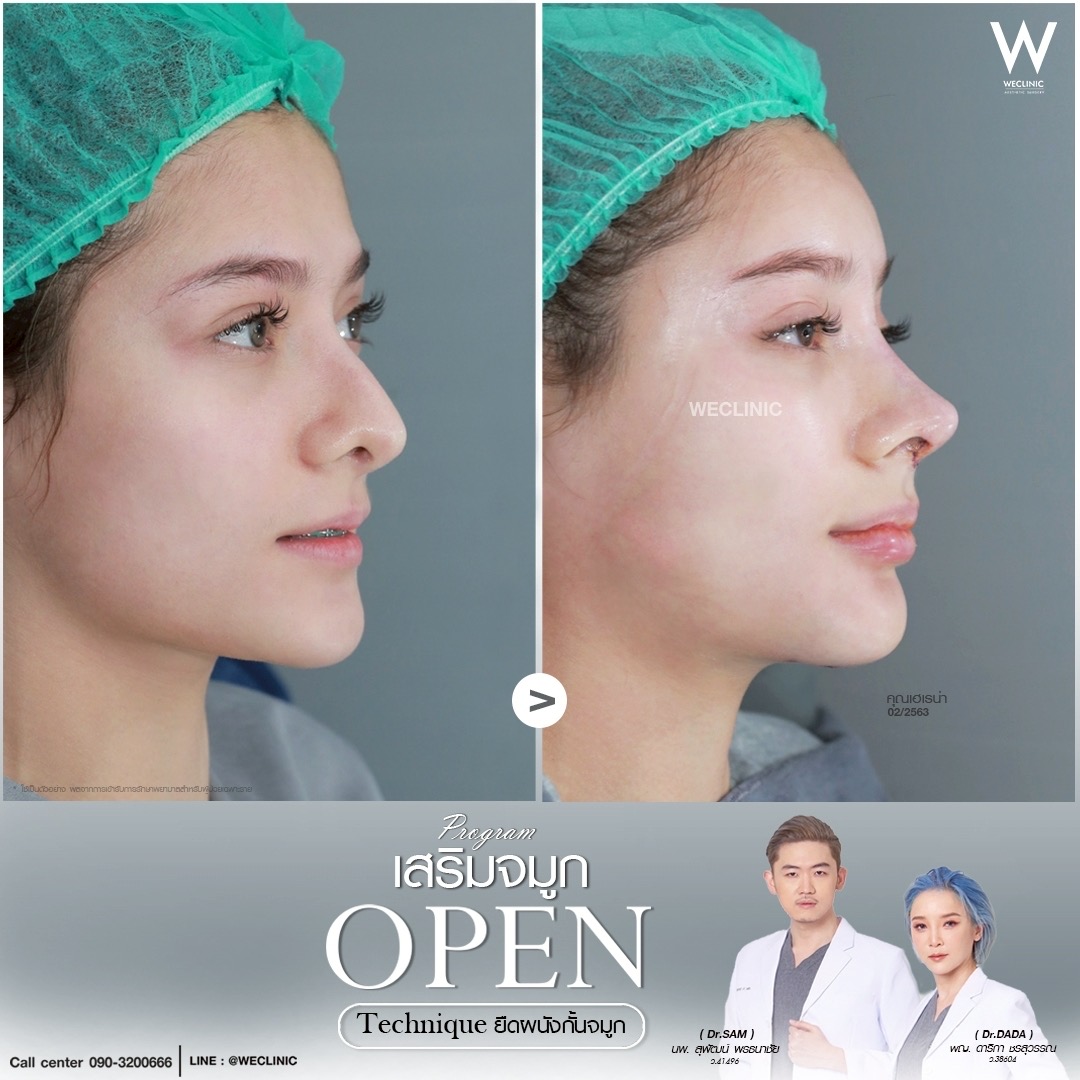
This is the stage when the nose reaches its final shape and the true surgical outcome becomes apparent. In Open Rhinoplasty cases, the columellar scar continues to fade and is often barely noticeable under normal lighting conditions. With proper postoperative care, the risk of a visible long-term scar is typically very low.
What Factors Affect How Quickly a Rhinoplasty Incision Heals?
The healing process after rhinoplasty varies from person to person. While some patients notice their incisions drying and healing quickly, others may require a longer recovery period. Several factors can influence how fast a rhinoplasty incision heals.
- Surgical Technique
The type of rhinoplasty performed plays an important role in recovery. Closed Rhinoplasty involves incisions placed entirely inside the nostrils, allowing the wounds to dry and heal more quickly. Open Rhinoplasty requires a small external incision on the columella, which may take slightly longer to heal.
- Age
Younger patients generally heal faster because they tend to have a higher metabolic rate and better collagen production. Older patients may experience a slightly longer healing period, although the difference is usually not significant.
- Skin Type
Individual skin characteristics can also affect wound healing. Patients with thinner, less oily skin often heal more quickly, while those with thicker or oilier skin may notice that scabs persist for a longer period.
- Underlying Medical Conditions
Conditions such as diabetes, immune system disorders, or long-term steroid use can slow wound healing and increase the risk of infection. Patients should always inform their surgeon about their medical history before undergoing surgery.
- Smoking
Nicotine causes blood vessels to constrict, reducing blood flow and oxygen delivery to healing tissues. As a result, smokers often experience slower wound healing compared with non-smokers. It is generally recommended to stop smoking for at least one week before and after surgery.
- Nutrition
Protein, vitamin C, and zinc are essential nutrients involved in tissue repair and wound healing. Maintaining a balanced diet can support the recovery process, while alcohol, raw foods, and fermented foods are often best avoided during the early healing period.
- Sleep and Rest
Adequate sleep is essential for recovery. During deep sleep, the body releases Growth Hormone (GH), which plays an important role in tissue repair and regeneration. Patients who are sleep-deprived or experiencing chronic stress often find that their wounds heal more slowly than those who consistently get 7–8 hours of quality sleep each night.
- Proper Wound Care
Following postoperative instructions carefully can significantly improve healing. Keeping the incision clean, avoiding water exposure during the initial recovery period, and refraining from scratching or picking at the wound can help reduce the risk of infection and delayed healing.
- Surgeon Experience
A skilled and experienced rhinoplasty surgeon can minimize unnecessary tissue trauma and perform precise surgical techniques, which may contribute to a smoother recovery process. This is one reason why choosing a surgeon with extensive experience in rhinoplasty is important.
- Stress Levels
Chronic stress can elevate cortisol levels, which may interfere with the body’s natural healing process. Managing stress and allowing sufficient time for rest can support faster and more efficient recovery.
How to Help a Rhinoplasty Incision Heal Faster
Proper wound care is one of the most important factors that patients can control during recovery. Good postoperative care can help support faster healing and reduce the risk of complications. In general, rhinoplasty aftercare can be divided into two key areas: proper wound care and avoiding activities that may interfere with healing while the incision is still recovering.
For more detailed recovery guidelines, read our article: How to Care for Yourself After Rhinoplasty for Safe Healing and Optimal Results.
How to Clean a Rhinoplasty Incision Properly
What to Avoid While the Incision Is Healing
During the first two weeks after surgery, certain everyday habits can slow healing and increase the risk of scarring. Patients are generally advised to avoid the following:
- Do not pick, scratch, or remove scabs, even if the area feels itchy. This may reopen the incision, increase the risk of infection, and lead to permanent scarring.
- Avoid rubbing the surgical site or wiping your face aggressively.
- Avoid applying makeup near the incision for at least two weeks, especially foundation, powder, and other products that may clog the skin.
- Avoid wearing glasses that place pressure on the nasal bridge for at least four weeks. If necessary, consider using tape or other support methods to reduce pressure on the nose.
- Avoid forceful nose blowing during the first seven days, as increased pressure may affect the healing tissues and internal nasal structures.
Foods and Drinks to Avoid
- Avoid all alcoholic beverages for at least one month, as alcohol can dilate blood vessels, increase swelling, and slow the healing process.
- Avoid smoking for at least one month before and after surgery.
- Avoid fermented foods, raw foods, and seafood during the early recovery period.
- Limit very spicy foods that may increase inflammation or cause excessive sweating.
For additional dietary recommendations, read: 5 Foods to Avoid After Cosmetic Surgery.
Activities to Postpone During Recovery
- Swimming should be avoided for at least one month, as water can expose the healing incision to bacteria and increase the risk of infection.
- Avoid strenuous exercise and heavy lifting, as increased blood pressure may worsen swelling and inflammation.
- Avoid prolonged sun exposure and sauna use for at least four weeks, since heat can increase swelling and delay recovery.
- Avoid sleeping on your side or stomach during the early healing period. Sleeping on your back with your head elevated is generally recommended.
How Long Does Swelling Last After Rhinoplasty? Is It Normal?
Swelling after rhinoplasty is a normal part of the healing process. In most cases, swelling is most noticeable during the first 2–3 days after surgery and gradually improves over time. Patients can usually see a more defined nasal shape within 1–2 weeks as the initial swelling subsides.
By around one month after surgery, approximately 80–90% of the swelling has typically resolved, and the nose begins to look more refined and natural. However, subtle swelling particularly around the nasal tip may continue to improve over the following months as the healing process progresses.
For a more detailed recovery timeline, read our guide: How Long Does It Take for a Nose Job to Settle? Recovery and Swelling Timeline After Rhinoplasty. This can help you plan time off work and other activities before surgery.

Warning Signs That Require Immediate Medical Attention After Rhinoplasty
Rhinoplasty is generally a safe procedure when performed by an experienced surgeon. However, like any surgery, complications can occur. Patients should be aware of the following warning signs and seek medical attention promptly if they occur.
Redness, Warmth, Increased Swelling, and Worsening Pain After Day 3
These may be signs of inflammation or infection. Normally, swelling should gradually improve after the third day.
Pus or Foul-Smelling Drainage
A small amount of clear, odorless drainage during the first 2–3 days is normal. However, yellow or green discharge, especially with a strong odor, should be evaluated by a doctor as soon as possible.
Fever Above 38°C (100.4°F)
A high fever after surgery may indicate an infection and should not be ignored.
Persistent Bleeding
If bleeding continues or soaks through the gauze despite applying pressure for 15 minutes, you should contact your surgeon immediately.
Noticeable Nasal Deviation or Implant Displacement
If the nose appears unusually crooked or the implant seems to have shifted, a prompt medical evaluation is recommended. Learn more about the causes of a crooked nose after rhinoplasty.
If you are unsure whether your symptoms are normal, it is always better to consult your surgeon early rather than wait until the problem becomes more serious. For personalized advice, contact the WE Clinic medical team through LINE @weclinic.
Frequently Asked Questions About Rhinoplasty Incision Healing
Q1: What is the difference between Open and Closed Rhinoplasty?
A: Open Rhinoplasty involves a small incision between the nostrils in addition to internal nasal incisions. Closed Rhinoplasty uses only internal incisions. Open Rhinoplasty is suitable for cases requiring structural correction or cartilage grafting, while Closed Rhinoplasty is often suitable for routine nasal augmentation.
Q2: How long should I avoid swimming after rhinoplasty?
A: Avoid swimming for at least 1 month after rhinoplasty. Pool water and natural bodies of water may contain bacteria that can increase the risk of infection.
Q3: Once the incision has dried, are there any precautions I should still take?
A: Yes. Although the external incision may be healed, the internal nasal structures are still recovering. Avoid nasal trauma, pressure from glasses, strenuous exercise, and excessive sun exposure. If you are considering additional facial procedures, consult your surgeon first.
Summary: How Long Does It Take for a Rhinoplasty Incision to Dry?
The time it takes for a rhinoplasty incision to dry depends on the surgical technique and individual healing factors. In general, Closed Rhinoplasty incisions dry within 5–7 days, while Open Rhinoplasty incisions take around 7–10 days and may take up to 10–14 days in patients with thick or oily skin.
Proper wound care plays a major role in recovery. Keeping the incision clean, avoiding factors that may increase inflammation, and monitoring for abnormal symptoms can help promote healing. If you are unsure which technique is right for you, consult the WE Clinic medical team for a free assessment or learn more about rhinoplasty pricing at WE Clinic.


สำหรับผู้อ่านทุกท่านที่มีข้อสงสัยเพิ่มเติม ทีมแพทย์ We Clinic ยินดีให้คำปรึกษาฟรี
โดยไม่มีค่าใช้จ่าย หรือสามารถปรึกษาหมอทาง facebook หรือ Line ได้ที่นี่เลยครับ