

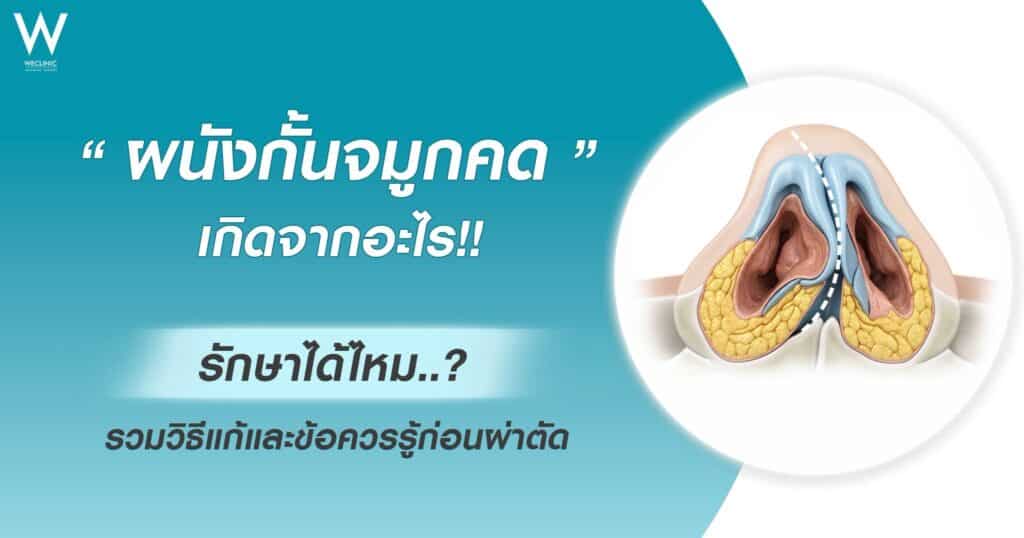
Deviated Nasal Septum
A deviated nasal septum is more common than many people realize, especially among those who experience difficulty breathing, chronic nasal congestion, or uneven airflow between the two nostrils. These symptoms are not always caused by allergies and may instead be related to structural abnormalities inside the nose.
Many people are unaware that they have a deviated septum because symptoms often develop gradually and may be mild at first. Over time, however, the condition can begin to affect daily life, leading to poor sleep quality, breathing difficulties, or recurrent sinus infections.
In this article, we’ll explain what causes a deviated nasal septum, the available treatment options, and whether the condition can affect rhinoplasty surgery. We’ll also explore whether rhinoplasty can actually help correct a deviated septum.
Table of Contents
What Is a Deviated Nasal Septum?
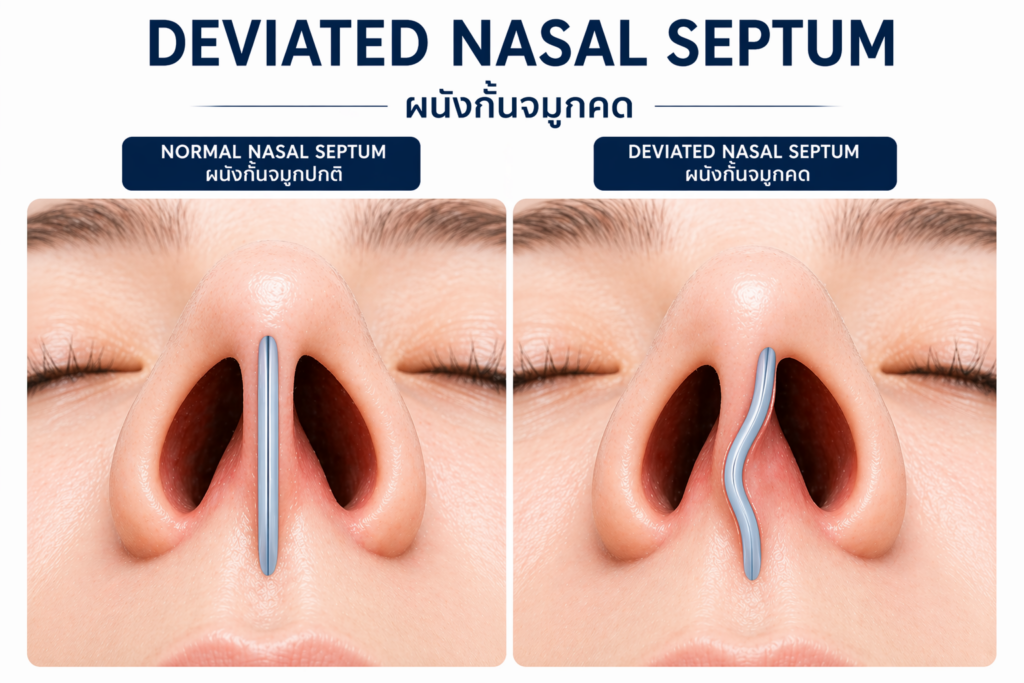
A deviated nasal septum is a condition in which the septum, the structure made of cartilage and bone that separates the nasal cavity, is displaced or shifted to one side. As a result, the left and right nasal passages become uneven in size.
This structural imbalance can interfere with normal airflow through the nose and may lead to chronic nasal congestion, breathing difficulties, or the sensation that one side of the nose is more blocked than the other.
What Does a Deviated Septum Look Like?
- The nasal septum is shifted to one side Instead of being centered, the septum deviates to the left or right, creating an imbalance within the nasal structure.
- The two nasal passages are uneven in size When the septum is deviated, one nasal passage becomes narrower than the other, causing uneven airflow.
- Breathing may feel different on each side Many people find that they can breathe more easily through one nostril, while the other feels partially blocked or congested.
- Chronic nasal congestion may occur Symptoms are often more noticeable in individuals with allergies or a tendency toward nasal swelling, making daily activities more uncomfortable.
- Bony spurs or septal protrusions may be present Some patients develop bony spurs or prominent areas along the septum, which can cause irritation, nasal pressure, or increased breathing difficulty.
- Normal nasal airflow may be disrupted In more severe cases, a deviated septum can contribute to nasal dryness, discomfort, difficulty breathing, or recurrent sinus infections.
What Causes a Deviated Septum?
A deviated septum occurs when the cartilage and bone that divide the nasal cavity are displaced from the midline. This causes the two nasal passages to become uneven in size and may affect normal airflow through the nose. Common causes include:
- Nasal injury or trauma This is one of the most common causes, particularly after falls, sports injuries, or a significant impact to the nose that alters the nasal structure.
- Congenital abnormalities Some people are born with a deviated septum due to uneven development of the internal nasal structures.
- Uneven growth of cartilage and bone As the body develops, the cartilage and bone within the nose may grow at different rates, causing the septum to become more noticeably deviated over time.
- Nasal swelling caused by allergies or chronic inflammation While this does not directly cause a deviated septum, it can worsen symptoms such as nasal congestion and breathing difficulties, making the condition more noticeable.
How Does a Deviated Septum Affect the Body?
A deviated septum can directly interfere with normal airflow through the nose, leading to a range of symptoms that vary from mild discomfort to issues that significantly affect daily life. Common symptoms include:
- Chronic Nasal Congestion and Difficulty Breathing
When the septum shifts to one side, the affected nasal passage becomes narrower, restricting airflow. The opposite side may swell in compensation, causing persistent congestion and a feeling of not being able to breathe fully.
- Snoring and Poor Sleep Quality
A narrowed airway can obstruct airflow during sleep, causing surrounding tissues to vibrate and produce snoring sounds. In some cases, sleep quality may decline, leaving patients feeling tired and unrested.
- Frequent Nosebleeds, Nasal Dryness, and Irritation
Air passing through a narrowed nasal passage moves at a higher speed, which can dry out the nasal lining. This may lead to crusting, irritation, and an increased risk of nosebleeds.
- Nasal, Facial, or Head Pain
If the deviated septum comes into contact with surrounding tissues, it may irritate nearby nerves and cause persistent discomfort or pressure around the nose, eyes, or head.
- Increased Risk of Sinus Infections
A distorted nasal structure can impair proper drainage and ventilation of the sinuses, leading to mucus buildup and a higher risk of recurrent sinus infections.
- Reduced Sense of Smell and Changes in Nasal Appearance
Restricted airflow may prevent odor molecules from reaching the olfactory area effectively, resulting in a reduced sense of smell. In more severe cases, the nose may appear visibly crooked or asymmetrical from the outside.
What Are the Treatment Options for a Deviated Septum?
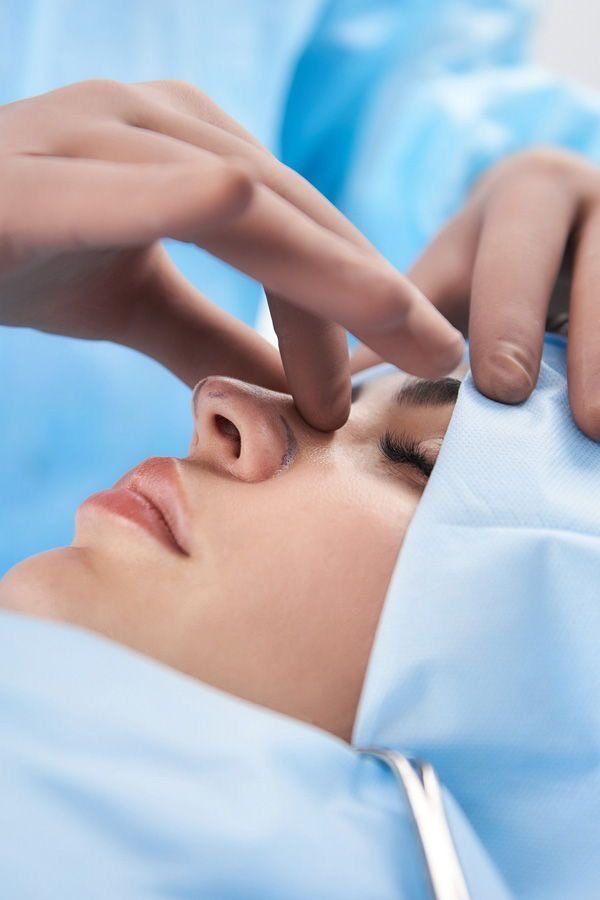
Treatment for a deviated septum generally falls into two main categories: medical management to relieve symptoms and surgical correction to address the underlying structural abnormality. The most appropriate treatment depends on the severity of the deviation, the symptoms experienced, and the extent to which the condition affects daily life.
For patients with mild symptoms, conservative treatment may be recommended as an initial approach. However, when the septum is significantly deviated and causes persistent breathing difficulties or recurrent nasal and sinus problems, surgery is often the most effective way to correct the issue and achieve long-term improvement.
Method 1: Medical Management
Overview
Medical management is designed to relieve symptoms rather than correct the deviated septum itself. This approach helps reduce swelling of the nasal lining and improve airflow through the nasal passages. Commonly prescribed medications include steroid nasal sprays and decongestants, which can help relieve nasal congestion, breathing difficulties, and symptoms associated with allergies or sinusitis.
While these treatments may improve breathing by reducing tissue swelling, they do not address the underlying structural problem. If the septum is significantly deviated, symptoms often return once the medication is discontinued.
Who Is It Suitable For?
This approach is generally recommended for patients with a mild septal deviation or relatively mild symptoms. It may also benefit those whose nasal congestion is worsened by conditions such as allergic rhinitis, nasal inflammation, or sinusitis, where soft tissue swelling contributes more to the symptoms than the structural deviation itself.
In some cases, medical treatment is used as an initial step to help determine whether symptoms are primarily caused by swollen nasal tissues or by a significant structural obstruction within the nose.
Potential Side Effects
When used incorrectly or for prolonged periods, steroid nasal sprays may cause nasal dryness, irritation, or minor nosebleeds. Oral decongestants may cause side effects in some individuals, including palpitations, insomnia, restlessness, or increased blood pressure. For this reason, medications should be used under the guidance of a healthcare professional.
Method 2: Septoplasty
Overview
Septoplasty is a surgical procedure that addresses the underlying cause of a deviated septum. During the operation, the surgeon repositions and reshapes the deviated cartilage and bone to create a more balanced nasal airway and improve airflow through both nostrils.
The procedure is typically performed through incisions inside the nose, meaning there are usually no visible external scars. In many cases, endoscopic techniques are used to provide a clearer view of the deviated area, allowing for greater surgical precision.
Who Is It Suitable For?
Septoplasty is generally recommended for patients whose deviated septum significantly affects their quality of life. Common symptoms include chronic nasal congestion, difficulty breathing, snoring, poor sleep quality, recurrent sinus infections, or symptoms that do not improve with medication.
In some cases, patients planning to undergo rhinoplasty may also require evaluation for septoplasty if a deviated septum is present. Addressing both concerns at the same time can help optimize both nasal function and aesthetic outcomes.
Potential Side Effects
Following surgery, it is common to experience temporary swelling, nasal congestion, crusting inside the nose, or minor bleeding. These symptoms are most noticeable during the first one to two weeks and typically improve gradually as healing progresses.
Although uncommon, potential complications may include significant bleeding, septal perforation, internal scar tissue formation, or changes in the external appearance of the nose. The risk of complications often depends on the complexity of the case and the surgeon’s experience, which is why treatment should be performed by a surgeon with expertise in nasal structure and functional nasal surgery.
Can Septoplasty and Rhinoplasty Be Performed at the Same Time?
Yes, septoplasty can be performed together with rhinoplasty in the same procedure. In some cases, the surgeon may adjust the nasal cartilage and supporting structures to improve nasal alignment and create a more balanced nasal appearance. This can enhance both the shape of the nose and overall facial harmony.
However, rhinoplasty is primarily designed to improve the appearance of the nose. While it may provide some improvement in breathing, it does not always fully correct underlying structural problems within the nasal airway.
For patients with significant breathing difficulties, such as chronic nasal congestion or persistent nasal obstruction, septoplasty performed by a specialist is often the most effective treatment. These procedures are commonly carried out in a hospital setting when functional correction is required.
It is also important to note that a mild septal deviation is relatively common and is not always considered a medical concern. A thorough evaluation by a qualified surgeon is essential to determine whether treatment is necessary and to identify the most appropriate approach for each individual.
How Much Does Septoplasty with Rhinoplasty Cost?
The cost of septoplasty combined with rhinoplasty starts at 79,000 THB, although the final price may vary depending on the complexity of the case, the surgical technique used, and whether additional grafting materials are required.
Because this procedure addresses both functional breathing concerns and nasal aesthetics in a single operation, it is generally more complex than standard rhinoplasty. Cases involving extensive structural correction or the use of the patient’s own cartilage may require a more individualized surgical plan.
For the most accurate treatment recommendation and cost estimate, a consultation with an experienced surgeon is recommended.
How to Prepare for Septoplasty
Proper preparation before septoplasty is essential for minimizing risks and supporting a smoother recovery. The following recommendations can help ensure a safer surgical experience:
- Avoid smoking and alcohol for at least 1–2 weeks before surgery to help reduce inflammation and promote better healing.
- Stop medications and supplements that affect blood clotting, such as aspirin, vitamin E, fish oil, and certain herbal supplements, at least 7 days before surgery. Always consult your doctor before discontinuing any medication.
- Provide your surgeon with a complete medical history, including underlying health conditions, current medications, and any drug allergies, so an appropriate treatment plan can be developed.
- Follow your surgeon’s fasting instructions before surgery. If general anesthesia or sedation is required, patients are typically advised to avoid food and drinks for at least 6–8 hours beforehand.
- Get adequate rest and maintain good overall health before surgery. Avoid sleep deprivation and illness to support a smoother recovery process.
Post-Operative Care After Septoplasty
Proper aftercare following septoplasty is essential for promoting healing, minimizing swelling, and supporting the recovery of the nasal passages. The following recommendations can help ensure a smoother recovery:
- Keep your head elevated, especially during the first 1–2 nights after surgery. Sleeping with your head higher than your body can help reduce swelling, minimize bleeding, and improve breathing comfort.
- Avoid forceful nose blowing or picking your nose. These actions may disrupt the healing tissues, cause bleeding, or interfere with recovery. If nasal discharge or dried blood is present, gently dab the area with a tissue instead.
- Protect your nose from impact or pressure. Avoid bumping, pressing, or putting unnecessary pressure on the nose. Excessive bending forward should also be avoided, as it may increase pressure and trigger bleeding.
- Use saline nasal rinses as directed by your surgeon. Proper nasal irrigation helps remove dried blood, mucus, and crusting while keeping the nasal passages clean during recovery.
- Avoid strenuous exercise and heavy lifting for at least two weeks. Intense physical activity may increase swelling, trigger bleeding, or delay healing.
- Choose soft, easy-to-chew foods during the initial recovery period. It is also advisable to avoid very hot, spicy, or fermented foods, as they may increase irritation and discomfort.
- Get adequate rest and take all medications as prescribed. Following your surgeon’s instructions regarding antibiotics, pain medication, and other prescribed treatments is important for a successful recovery.
- Monitor for unusual symptoms and attend all follow-up appointments. If you experience excessive bleeding, severe pain, increasing swelling, fever, or an unusual odor from the nose, contact your surgeon promptly rather than waiting for symptoms to improve on their own.
Frequently Asked Questions About a Deviated Septum
Can a Deviated Septum Be Treated?
Yes. A deviated septum can be treated, and septoplasty is considered the most effective option when symptoms are caused by structural obstruction inside the nose. The procedure repositions the deviated cartilage and bone to improve airflow and relieve symptoms such as chronic nasal congestion and breathing difficulties.
In many cases, surgery provides long-term improvement. Although recurrence is uncommon, it may occur following nasal trauma or due to individual structural factors. A consultation with a qualified surgeon is recommended to determine the most appropriate treatment plan.
Is Septoplasty Safe?
Septoplasty is generally a safe procedure when performed by an experienced surgeon in an accredited medical facility. Because it involves correcting the internal nasal structure, proper surgical expertise is essential to achieve safe and effective results.
Is Septal Extension Grafting Worth It?
Septal extension grafting is commonly used for patients with a short nose, limited nasal tip support, or an upturned nasal tip. It helps lengthen the nose, improve tip support, and create a more balanced nasal shape.
One of its key advantages is that it strengthens the nasal structure from within, often using the patient’s own cartilage. However, the procedure should be performed by an experienced surgeon to ensure both safety and optimal results.
Summary
A deviated septum is a structural condition inside the nose that can directly affect breathing and overall quality of life. Common symptoms include chronic nasal congestion, difficulty breathing, snoring, and recurrent sinus infections. Because symptoms often develop gradually, many people may not realize they have the condition.
Treatment options range from medication to relieve symptoms to septoplasty, which corrects the underlying structural problem. For patients with significant or persistent symptoms, surgery is often the most effective solution. In some cases, septoplasty can also be performed alongside rhinoplasty to improve both nasal function and nasal appearance.


สำหรับผู้อ่านทุกท่านที่มีข้อสงสัยเพิ่มเติม ทีมแพทย์ We Clinic ยินดีให้คำปรึกษาฟรี
โดยไม่มีค่าใช้จ่าย หรือสามารถปรึกษาหมอทาง facebook หรือ Line ได้ที่นี่เลยครับ