


Do you want to lose body fat without losing muscle? Body Recomposition helps you lose fat and build muscle at the same time in a smarter, more sustainable way—while supporting long-term health and longevity.
Rather than getting stuck in extreme dieting—cutting calories so hard that you’re constantly hungry and your motivation fades—Body Recomposition focuses on steady, realistic progress. And you don’t need to spend long hours in the gym or follow a rigid routine that’s hard to maintain.
It starts with the basics: balanced nutrition, consistent training you can stick with, and genuinely adequate rest. When you get these fundamentals right, your body can reduce fat while maintaining and gradually building lean muscle.
This article will walk you through Body Recomposition in a clear, practical way. With the right approach, visible definition whether a toned midsection or defined abdominal lines—can be achievable and sustainable.
What Is Body Recomposition?
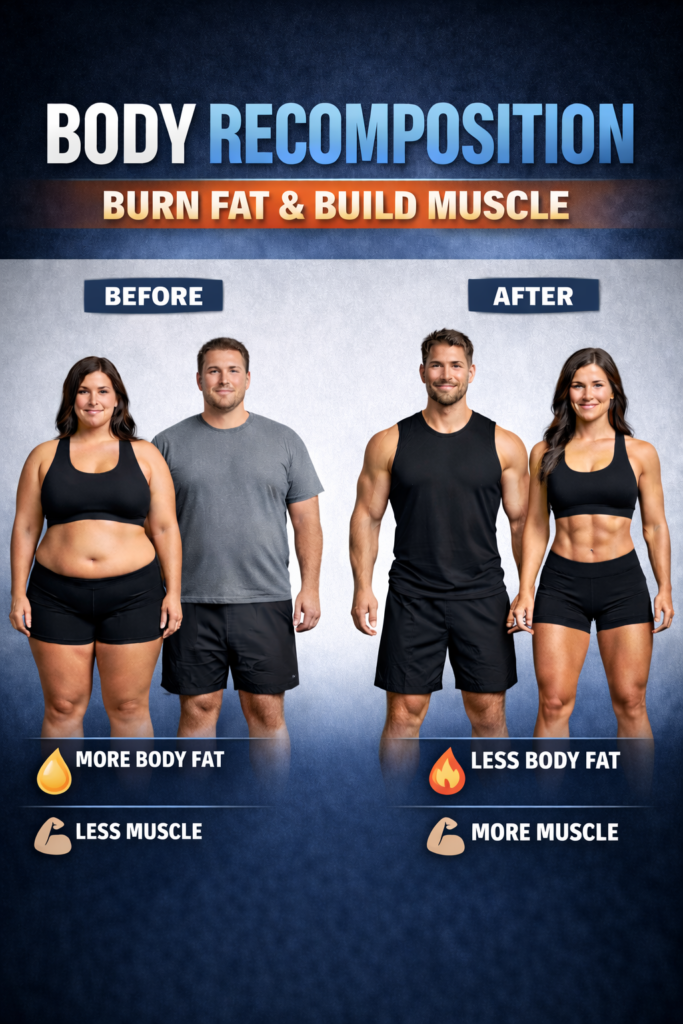
Body Recomposition is the process of reshaping your body composition by reducing body fat while increasing (or preserving) lean muscle mass. In practice, it focuses on three key outcomes:
1. Reducing body fat (not just lowering the number on the scale)
The goal is to decrease excess fat so your measurements improve in a meaningful way such as a smaller waistline, a flatter abdomen, and more toned upper arms and thighs while maintaining overall strength and physical function.
2. Building muscle at the same time
Instead of focusing only on body weight, Body Recomposition looks at what your weight is made of: how much is fat and how much is muscle. As muscle increases and fat decreases, you become leaner, firmer, and metabolically more efficient. In some cases, your total weight may change very little—or even rise slightly—because muscle is denser than fat.
3. Creating a more defined, athletic-looking physique
When fat loss and muscle gain are balanced, your body typically looks leaner and more toned, with clearer proportions and a firmer overall appearance. Many people also notice improved core definition—such as a flatter stomach and visible abdominal lines along with better long-term health markers.
To achieve results with Body Recomposition, a structured plan is essential. This usually includes a clear nutrition strategy (some people may combine it with intermittent fasting), along with regular exercise, especially resistance training (weight training)to stimulate muscle growth. At the same time, calorie intake should be managed appropriately and protein intake should be sufficient for your body’s needs. With consistency, your body can gradually shift from “skinny but soft” or “bigger but not firm” toward a stronger, leaner physique with sustainable long-term improvements.
From a research perspective, recent publications emphasize a combined approach of resistance training, energy (calorie) management, and adequate protein intake as a key strategy for improving body composition over time, supporting fat loss while maintaining or increasing muscle mass.
Babrova V. (2025). A Review of Strategies for Achieving Simultaneous Muscle Mass Gain, Maintenance or Minimal Loss During Fat Reduction: Insights from the Last 5 Years. JEHS. Available from:https://apcz.umk.pl/JEHS/article/view/59391
Bonilla D.A., Petro J.L., Cannataro R., Kreider R.B., Stout J.R. (2024). Editorial: New insights and advances in body recomposition. Front Nutr. 11:1467406. DOI: 10.3389/fnut.2024.1467406. Available from:https://pubmed.ncbi.nlm.nih.gov/39290563/
Benefits of Body Recomposition—Why It’s Worth Doing
When you stop focusing only on the number on the scale and start improving your body composition instead, Body Recomposition becomes a powerful strategy for long-term health. It helps your body become stronger, supports better energy metabolism, and often delivers a firmer, more toned physique than traditional weight-loss approaches. Here’s why balancing body fat and lean muscle matters for sustainable results.
1) Boosts Metabolism and Lowers the Risk of Chronic Disease
Increasing lean muscle mass plays a major role in improving your resting metabolic rate (RMR). Muscle tissue acts like an “energy engine” in the body; it requires more energy than fat tissue, even when you are sitting or resting. Your muscles continuously use energy to maintain and repair themselves, which can support more efficient calorie use throughout the day.
At the same time, reducing body fat, especially visceral fat (fat stored around internal organs) may help decrease low-grade chronic inflammation. This can improve metabolic health, including better blood sugar and lipid regulation, and may significantly reduce the risk of metabolic syndrome, type 2 diabetes, and cardiovascular disease.

2) Supports Strength and Functional Health
Maintaining and building muscle is a key factor in preventing sarcopenia (age-related loss of muscle mass), which becomes more common as we get older. Sarcopenia is associated with reduced immunity, a higher risk of illness, and decreased mobility.
Stronger muscles support everyday movement standing up, walking, climbing stairs, and daily activities with greater stability and confidence. Over time, this can improve quality of life and reduce the risk of falls and fractures, especially in older adults.
3) Creates a Leaner, Toned Look and Builds Confidence
For many people, the most noticeable benefit is a visible improvement in physique. Body Recomposition helps you look leaner and more proportionate by reducing excess fat while increasing muscle definition.
This differs from traditional weight loss, where the scale may go down but the body can still look “soft” or less firm. As you see positive changes such as a smaller waist, more toned arms and legs, and clothing fitting better confidence often grows naturally. These physical improvements can support a healthier, more positive body image over the long term.
4) Improves Quality of Life and Supports Sustainable Longevity
Having stronger muscles and less excess fat is not only about looking better—it can make daily life feel easier. Many people notice better movement, less fatigue, more energy to work and exercise, and greater capacity to do what they enjoy throughout the day.
A Body Recomposition approach that combines consistent training with healthier eating may also support better sleep quality, reduced stress, and improved day-to-day well-being. From a longevity perspective, strong muscle mass, healthier metabolism, and lower visceral fat are associated with a lower risk of chronic disease and slower age-related decline. In other words, it’s not just about living longer but living well: staying mobile, independent, and active enough to enjoy life every day.

Who Is Body Recomposition Best For?
Body Recomposition building muscle while reducing body fat is a practical approach for several groups, including:
- Beginners who are overweight or carry excess body fat
This group often progresses the fastest. The body typically responds well to training and nutrition changes, and stored body fat provides a readily available energy source making it easier to lose fat while gradually building muscle.
- People returning to exercise after a long break
If you trained before but stopped for months or years, you may benefit from muscle memory. With a structured Body Recomposition plan especially resistance training plus appropriate nutrition many people regain lost muscle more efficiently while reducing the fat gained during the inactive period.
- Those with a high body-fat percentage, including “skinny-fat” individuals
Some people may look relatively lean but carry higher body fat with low muscle mass. Focusing only on “weight loss” can make the physique look smaller yet softer. Body Recomposition helps the body become leaner and firmer by improving muscle definition and overall proportions.
- Anyone who wants steady, non-extreme body changes
Ideal for those who want to look and feel better, stronger, more confident in clothing without aggressive weight cutting or bulking. Body Recomposition focuses on the quality of body weight (fat vs. muscle), not just the number on the scale.
- People who have trained for a long time but see minimal results
In many cases, the issue is not training intensity, it’s nutrition (especially inadequate protein) and a lack of clear program structure. Shifting toward Body Recomposition by increasing protein intake, building a strategic resistance-training plan, and applying progressive overload can help unlock real changes in muscle tone and body shape.
How to Make Body Recomposition Work—What Should You Focus On?
- Understand what Body Recomposition truly means
Body Recomposition focuses on reorganizing body composition by reducing body fat while increasing or preserving lean muscle mass. This process requires more strategic planning than simply “eating less and exercising more.”
- Manage daily energy balance with precision (Calories In vs. Calories Out)
The true foundation of successful Body Recomposition is accurate energy management throughout the day:
- Calories In: the amount of energy consumed
- Calories Out: the amount of energy the body expends
These two factors determine whether the body will utilize stored fat for energy while supporting muscle maintenance and growth.

How to Achieve Body Recomposition—Which Phase Should You Choose?
Bulk vs. Cut vs. Maintain: What Works Best for Your Body?
Achieving effective Body Recomposition is not about randomly choosing between bulking or cutting. Instead, it requires evaluating body fat levels and understanding how much stress your body can realistically tolerate over time. The most sustainable approach can be divided as follows:
1. Classification Based on Body Fat Percentage
1.1 High Body Fat Group
- Men: Body fat > 30%
- Women: Body fat > 40%
This group can begin directly with a Cut phase. A daily calorie deficit of approximately 300–500 kcal below TDEE, combined with resistance training, is recommended. Because the body has ample stored energy from fat, fat loss during this phase usually does not significantly compromise physical performance or recovery. This makes it an ideal starting point for individuals with significant excess weight.
1.2 Moderate Body Fat or “Skinny-Fat” Group
- Men: Body fat ~20–30%
- Women: Body fat ~30–40%
This is the core group for Body Recomposition and often the group with the greatest potential to lose fat while building muscle simultaneously. A recommended strategy includes:
- Starting with a Maintain phase (eating at TDEE) for 2–4 weeks
- Performing consistent resistance training
- Then transitioning into:
- Bulk, for those prioritizing muscle gain
- Cut, for those aiming for further fat reductio
During training, the body uses energy from both dietary intake and stored fat, creating optimal conditions for true Body Recomposition.
1.3 Low Body Fat or Very Lean Group
For individuals with very low body fat, beginning with a Bulk phase is recommended. Increase daily intake by approximately 300–500 kcal above TDEE, combined with structured resistance training.
The goal is to provide sufficient energy for progressive training intensity. This group often gains muscle the fastest when nutrition and training are properly aligned.
2. Classification Based on the Duration of Each Phase
2.1 Cutting Phase Should Not Exceed 3 Months
Prolonged energy deficits may lead to:
- Chronic fatigue and accumulated stress
- Hormonal imbalances
- Menstrual irregularities in women
- Increased cravings for sweets
- Digestive disturbances
- Persistent low energy throughout the day
Recommendation: Return to a Maintain phase for at least 1–3 months to allow physiological recovery before starting another cutting cycle.
2.2 Bulking Phase Beyond 3 Months
Or when body fat begins to rise excessively, such as:
- Men: Body fat > 20%
- Women: Body fat > 30%
Recommendation: Transition back to Maintain or Cut to bring body fat back into a healthier range.
2.3 Maintain: Long-Term Body Recomposition Strategy
Eating maintenance calories is one of the most balanced and sustainable approaches to long-term Body Recomposition. It eliminates the need for frequent bulking and cutting cycles, allowing for consistent training and nutrition planning while minimizing metabolic stress.
Scientific evidence supports that with serious resistance training and adequate protein intake, the body can reduce fat while increasing lean mass even at maintenance calories. This principle represents the core of Body Recomposition.
This approach is especially suitable for women who prefer gradual, steady progress and wish to avoid aggressive calorie deficits that may disrupt hormonal balance. Fat loss tends to occur slowly but consistently, while overall physiological balance is preserved.
For men, higher baseline testosterone levels often allow for more effective bulking and cutting cycles. However, Maintain remains an excellent option for those prioritizing sustainability and long-term adherence without extreme fluctuations in diet or training.
Ultimately, Maintain is a balanced, safe, and practical choice for individuals seeking long-term physique improvement favoring consistency and sustainability over rapid but short-lived results.
Longland TM, Oikawa SY, Mitchell CJ, Devries MC, Phillips SM. Am J Clin Nutr. 2016;103(3):738–746. doi:10.3945/ajcn.115.119339. (PMID:26817506) https://pubmed.ncbi.nlm.nih.gov/26817506/ pubmed.ncbi.nlm.nih.gov

How to Manage Calories In for an Effective Body Recomposition
Calories In refers to the total amount of energy your body receives from food and beverages each day. The primary sources of this energy should come from carbohydrates, protein, and healthy fats. These macronutrients do more than provide calories; they influence hormones, satiety, insulin response, and overall metabolic function.
The goal of managing Calories In during Body Recomposition is to create a slight calorie deficit, allowing the body to use stored fat for energy. At the same time, energy intakes, especially protein, must remain sufficient to support performance, preserve metabolic rate, and help prevent muscle catabolism (muscle breakdown).
The balance between carbohydrates, protein, and fats plays a critical role in nutrient partitioning determining whether the energy you consume is directed toward muscle repair and growth, used for daily activity, or stored as body fat. Choosing macronutrient ratios that align with your goal is therefore a key factor in making Body Recomposition effective and sustainable.
1.Protein: The Key Driver for Building Muscle in Body Recomposition
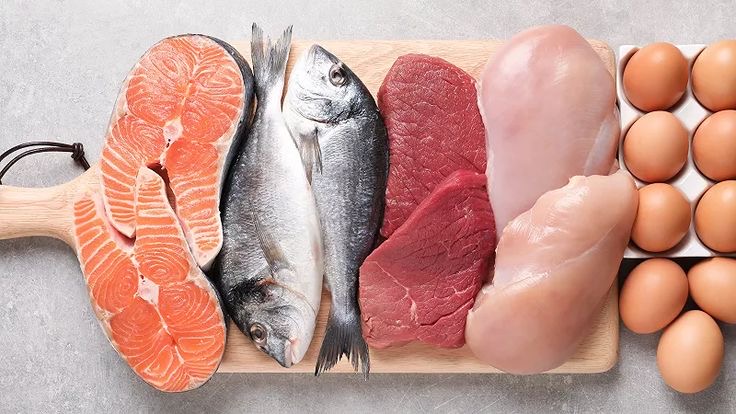
Protein is the most important macronutrient in Body Recomposition, because it directly supports muscle growth while helping preserve lean mass during fat loss.
- Builds and repairs muscle During resistance training (weight training), muscle fibers experience small micro-tears. Protein acts like the body’s “building blocks” to repair and rebuild these fibers making muscles stronger and, over time, larger. Without sufficient protein, meaningful muscle gain is unlikely, no matter how hard you train.
- Helps preserve muscle during fat loss (anti-catabolic effect) During a fat-loss phase, calorie intake is typically kept below TDEE (a calorie deficit). In this state, the body may break down muscle tissue for energy. Consistently higher protein intake helps reduce muscle breakdown and supports the preservation of lean mass.
- Slightly increases daily energy expenditure (thermic effect) Protein generally requires the most energy to digest and absorb compared with other macronutrients. Roughly, the body may use about 20–30% of protein calories for digestion, compared with 5–10% for carbohydrates and 0–3% for fat. As a result, higher protein intake can slightly increase overall daily calorie burn.
- Improves satiety and appetite control Protein supports fullness by promoting satiety-related signals and reducing hunger, which can make calorie control easier—especially during fat loss.
- Recommended protein range and distribution A commonly used guideline for the general population is 1.2–1.6 g/kg/day, while individuals who exercise regularly are often advised to increase intake to around 1.6–2.2 g/kg/day. Distributing protein more evenly across meals (for example, 3–4 meals per day) may help stimulate muscle protein synthesis more effectively throughout the day.
In summary: Protein is the foundation of Body Recomposition. Without adequate protein, fat loss may come with unwanted muscle loss, and muscle-building progress becomes significantly harder to achieve.
2. Carbohydrates: A Key Energy Source for Performance and Recovery
Carbohydrates are not the “villain” many people fear. They are a primary and essential energy source, especially important for training performance and muscle-building during Body Recomposition.
Primary fuel for resistance training
With regular and intense resistance training (weight training), carbohydrates are digested and stored in muscles as glycogen. Muscle glycogen serves as the main fuel during heavy lifting and high-intensity exercise.
Without adequate carbohydrates, fatigue sets in more quickly, training performance declines, and muscle-building efforts may be compromised.
- Supports post-workout recovery
Consuming carbohydrates after training helps replenish depleted glycogen stores, supporting better recovery and preparing the body for the next training session.

Prioritize complex carbohydrates for daily nutrition
Emphasize complex carbohydrate sources such as whole grains, legumes, vegetables, and fruits. These foods are higher in fiber, promote longer-lasting fullness, and help maintain stable blood glucose levels supporting overall metabolic health.
- Choose white rice on heavy training days
White rice acts as a form of “quick fuel” because it is digested and absorbed rapidly. This allows glucose to enter the bloodstream quickly, providing readily available energy.
Part of this glucose is converted into muscle glycogen, the primary energy source during high-intensity workouts, making white rice a practical option on demanding training days.
- Scientific evidence supporting high-GI carbohydrates before training
Research by Wee et al. (2005) demonstrated that high–glycemic index (GI) carbohydrate meals resulted in greater muscle glycogen storage before exercise compared with low-GI meals. This led to improved fuel availability and delayed fatigue during training.
Practical takeaway: On heavy training days, white rice can be an effective choice for fueling performance. On lighter or rest days, choosing brown rice or whole grains may better support long-term health—allowing carbohydrates to be matched strategically to training demands.
Wee S-L, Williams C, Tsintzas K, Boobis L. Ingestion of a high-glycemic index meal increases muscle glycogen storage at rest but augments its utilization during subsequent exercise. J Appl Physiol. 2005;99(2):707–714. Available from:https://pubmed.ncbi.nlm.nih.gov/15831796/
Carbohydrates are not the enemy of fat loss. Instead, they are a necessary ally for muscle building and maintaining training performance. The key is choosing the right types of carbohydrates and controlling portion sizes so they align with your overall calorie targets.
3. Healthy Fats: Essential Energy Storage and Hormonal Support
Dietary fat is often misunderstood, but it plays a critical role in overall health especially for individuals who exercise regularly, perform resistance training, or follow a Body Recomposition approach. Healthy fats support energy balance, hormonal function, and nutrient absorption, helping the body function more efficiently and in balance.
Why healthy fats are essential:
- Support hormonal balance related to muscle and metabolism
Healthy fats are key building blocks for many hormones, including sex hormones (such as testosterone and estrogen), which influence muscle development, energy levels, and mood.
They also support leptin, a hormone involved in satiety and appetite regulation, as well as other metabolic hormones that help regulate energy expenditure. When fat intake is adequate, energy levels tend to feel more stable, training performance improves, and recovery is often faster.
- Enhance absorption of fat-soluble vitamins
Vitamins A, D, E, and K require dietary fat for proper absorption. These vitamins play important roles in skin health, muscle function, bone density, and immune support particularly vitamin D, which is closely linked to muscle strength, bone health, and immune function.
- Provide steady, sustained energy
Fat is a high-energy nutrient (9 kcal per gram) that releases energy more slowly than fast-digesting carbohydrates. This helps promote longer-lasting satiety, more stable energy levels, and reduced snacking especially during a fat-loss (cutting) phase.
- Help reduce inflammation and support recovery
Certain healthy fats, such as omega-3 fatty acids, have anti-inflammatory properties. They may help reduce muscle inflammation after exercise and support overall recovery.
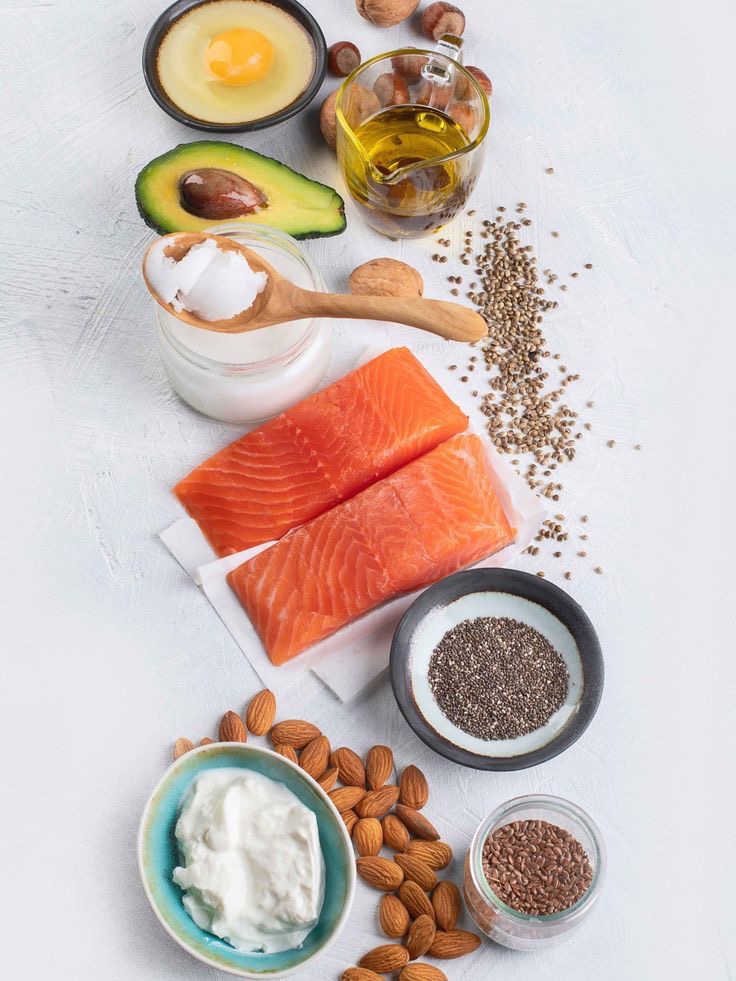
- Sources of healthy fats to include regularly
Avocado, almonds, walnuts, pistachios, flaxseeds, chia seeds, pumpkin seeds, olive oil, avocado oil, and fatty fish such as salmon, sardines, and mackerel.
- Fats to limit or avoid
Trans fats (found in margarine, cookies, and processed baked goods) should be avoided. Intake of certain saturated fats such as deep-fried foods and very fatty cuts of meat should be limited.
Final note: The success of Body Recomposition ultimately depends on precise nutrition planning and appropriate training, with TDEE (Total Daily Energy Expenditure) serving as the key framework that guides whether fat loss and muscle gain can occur effectively.
How to Calculate TDEE—and Why Anyone Who Wants a Better Physique Should Know This Number
If you want to lose fat without looking overly thin, or build muscle without gaining excess fat, everything starts with one key number: TDEE.
This single value determines whether your Body Recomposition plan will actually work.
Fat loss and muscle gain do not come from exercise alone. They happen when your calorie intake matches what your body truly needs and that number is TDEE.
What Is TDEE?
TDEE (Total Daily Energy Expenditure) is the total amount of energy your body uses in one day. It includes:
- BMR (Basal Metabolic Rate): Energy required for basic life functions such as breathing and organ activity
- Daily activity: Walking, household tasks, office work, and general movement throughout the day
- Exercise: Cardio, running, resistance training, and structured workouts
- Thermic effect of food: Energy used to digest and process the food you eat
How TDEE Affects Body Weight and Body Recomposition
- Eating more than TDEE → weight gain
- Eating less than TDEE → weight loss
However, for Body Recomposition, the goal is not extreme surplus or deficit. Instead, calories must be adjusted precisely—enough to reduce fat while preserving (or building) muscle mass.
This is why understanding your TDEE is essential for achieving visible, sustainable results.Learn more about the easiest way to calculate TDEE here: https://weclinicbkk.com/tdee/
How to Manage Calories Out for an Effective Body Recomposition

Calories Out refers to the total amount of energy your body expends through all activities throughout the day. In the context of Body Recomposition, increasing Calories Out is not about burning as many calories as possible—it is about sending the right signals to the body to preserve lean muscle mass and stimulate new muscle growth (hypertrophy).
Key components of Calories Out include:
Resistance training as the foundation
Resistance training is the cornerstone of Body Recomposition. This type of exercise creates both mechanical tension and metabolic stress on muscle fibers, leading to small-scale damage known as micro-tears. These micro-tears trigger the repair process that strengthens muscle fibers and increases muscle size over time.
- BMR (Basal Metabolic Rate)
BMR represents the energy your body uses to sustain basic life functions such as breathing and organ activity. It accounts for the largest portion of daily energy expenditure—approximately 60–70%.
Muscle tissue has a higher resting energy demand than fat tissue. As muscle mass increases, your body burns more calories throughout the day—even at rest—making muscle gain a powerful long-term strategy for increasing Calories Out.
- NEAT (Non-Exercise Activity Thermogenesis)
NEAT includes small, everyday movements such as walking, standing, household tasks, and taking the stairs instead of the elevator. Increasing NEAT can significantly raise daily energy expenditure without excessive fatigue, making it an effective and sustainable way to enhance Calories Out—especially for fat loss.

- EAT (Exercise Activity Thermogenesis)
EAT refers to the energy expended through structured physical activity and exercise, including resistance training and cardio workouts.
- TEF (Thermic Effect of Food)
TEF is the energy the body uses to digest, absorb, and process food. Among macronutrients, protein stimulates a higher thermic effect compared with carbohydrates and fats, contributing modestly to overall daily energy expenditure.
- Prioritize adequate sleep
Getting 7–9 hours of sleep per night is essential for recovery, hormone regulation, and metabolic health. Maintaining consistent sleep and wake times, creating a dark, quiet, and cool sleeping environment, avoiding caffeine and alcohol in the evening, and limiting electronic device use at least one hour before bed all support optimal recovery and long-term Body Recomposition success.
Why Is Resistance Training Essential for Body Recomposition?

Resistance training (weight training) is the primary stimulus that signals the body to direct nutrients toward muscle building. Mechanistically, resistance training creates mechanical tension and controlled muscle fiber damage, which trigger the repair process and stimulate muscle hypertrophy (muscle growth).
Without this stimulus especially during a calorie deficit the body may break down both fat and muscle. Resistance training helps preserve lean mass while promoting fat loss, making it a cornerstone of effective Body Recomposition.
1) Training Frequency
เป้าหมายหลัก: ให้กล้ามเนื้อแต่ละส่วนถูกใช้งานอย่างน้อย สัปดาห์ละ 2 ครั้ง
- Primary goal: Train each major muscle group at least twice per week.
- For most people, 3–4 resistance-training sessions per week provide a balanced approach—enough stimulus for muscle growth while allowing adequate recovery.
- Include 1–2 full rest days per week. Muscles do not grow during training; they grow during recovery.
2) The Most Important Principle: Progressive Overload
To continue improving strength and muscle definition, the body must face gradually increasing challenges; this is the principle of progressive overload.
Ways to apply progressive overload:
- Increase training load: If you complete all prescribed reps with minimal fatigue, the weight is likely too light. Increase the load in the next session.
- Increase reps or sets: If adding weight isn’t appropriate yet, increase repetitions per set or progress from 3 to 4 sets.
- Adjust rest intervals: Typical rest periods range from 1–3 minutes between sets. Slightly reducing rest time can increase training density and intensity.
Key takeaway: Each week should include at least one variable that becomes more challenging—load, reps, sets, or training density.
3) Workout Structure
For Body Recomposition, prioritize compound movements exercises that engage multiple muscle groups simultaneously. These movements increase energy expenditure while delivering a strong hypertrophy stimulus in less time.
Key compound exercises to include:
- Squats: Emphasize quadriceps and glutes
- Deadlifts / Romanian Deadlifts: Target hamstrings, glutes, and lower back
- Bench Press / Push-ups: Train chest, shoulders, and triceps
- Overhead Press: Focus on shoulders and upper body
- Barbell Rows / Pull-ups: Develop back and biceps
- Lunges: Train each leg individually, improving strength and balance
Whether you follow a full-body program (3 days/week) or a split routine (e.g., push–pull–legs or upper–lower), the key is ensuring no muscle group goes too long without being trained.
4) Sets and Repetitions (Hypertrophy Range)
- Repetitions: ~6–12 reps per set
- Sets: ~3–4 sets per exercise
- Load selection: Choose a weight where the final 1–2 reps of each set feel challenging but can still be performed with proper form.
Adjustment guidelines:
- If you cannot reach 6 reps, the load may be too heavy—reduce it slightly to remain within a challenging but controllable range.
- If all sets feel too easy, increase the load or reps.
Enhancing Body Recomposition with Medical and Aesthetic Procedures
Using medical or aesthetic technologies as supportive tools for Body Recomposition has become increasingly popular. However, it is essential to understand the mechanisms of action and the scientific evidence behind each approach.
In principle, these technologies are designed to target localized fat reduction or assist with appetite control. They do not replace the foundational principles of proper nutrition and resistance training, which remain the core drivers of sustainable Body Recomposition.
Below is a closer look at commonly used supportive technologies:
1. Muscle-Building and Fat-Reduction Technologies (HIFEM and RF)
High-Intensity Focused Electromagnetic (HIFEM) and Radiofrequency (RF) technologies are often combined in devices such as Emsculpt Neo to support non-surgical Body Recomposition.
Mechanisms of Action
HIFEM (Muscle stimulation):
- Mechanism: HIFEM delivers high-intensity electromagnetic energy that induces supramaximal muscle contractions—contractions that are stronger and faster than those achievable through voluntary exercise.
A single 30-minute session can trigger tens of thousands of muscle contractions. - Physiological effect: These intense contractions place significant stress on muscle fibers, leading to muscle remodeling, including increased muscle thickness (hypertrophy) and, in some cases, stimulation of new muscle fiber formation (hyperplasia).
- Clinical outcomes: Multiple studies have reported an average increase in muscle thickness of approximately 16% in treated areas following a complete treatment protocol.
For a more detailed explanation of HIFEM technology,see:https://weclinicbkk.com/high-intensity-focused-electromagnetic/
RF (Radiofrequency): Fat Reduction
Mechanism of action:
Radiofrequency (RF) delivers controlled thermal energy to the subcutaneous fat layer, raising tissue temperature to approximately 42–45°C. At this temperature range, fat cells sustain thermal damage and enter a process known as apoptosis (programmed cell death).
Clinical outcome:
Once fat cells undergo apoptosis, they are gradually removed from the body through normal metabolic processes, leading to a permanent reduction in fat cells within the treated area.
Clinical studies have reported an average localized fat layer reduction of approximately 19% following treatment.
Limitations: RF is a localized body contouring technique rather than a method for overall weight loss. For long-term and sustainable results, RF treatments should be combined with appropriate nutrition planning and regular exercise, particularly resistance training.
2. Prescription Weight-Loss Injections and Medications
These medical approaches work by targeting internal physiological mechanisms, primarily appetite regulation and metabolic control, rather than directly altering body composition through exercise.
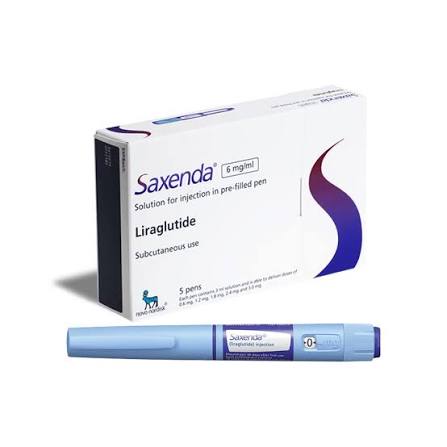
GLP-1 Receptor Agonists (Weight-Loss Injections)
Mechanism of action: Medications in this group such as liraglutide (Saxenda) and semaglutide (Ozempic/Wegovy) are synthetic hormones that mimic the natural GLP-1 hormone produced in the gut.
- Appetite suppression: GLP-1 receptor agonists act on the hypothalamus, the brain region responsible for appetite regulation, helping individuals feel full sooner and reducing overall hunger.
- Delayed gastric emptying: These medications slow the movement of food from the stomach into the small intestine, leading to prolonged satiety.
- Impact on Body Recomposition: By making calorie control easier, GLP-1 medications can result in significant overall weight loss. However, there is a potential risk of losing both fat mass and lean muscle mass if not properly managed.
Expert recommendation: GLP-1 medications must be used strictly under medical supervision. Adequate protein intake and consistent resistance training are essential to minimize muscle loss and support healthy Body Recomposition outcomes.
Other Prescription Weight-Loss Medications
Mechanisms: Other medications prescribed for weight management such as phentermine (appetite suppression) or orlistat (fat absorption inhibition) operate through different physiological pathways.Clinical considerations: Their effectiveness and safety depend on individual medical assessment. Potential risks and side effects vary among individuals, and these medications should only be used based on a physician’s clinical judgment.
Summary
Body Recomposition is a physique-improvement approach that focuses on reducing body fat while building (or preserving) lean muscle at the same time—not extreme weight loss that leaves you looking smaller but drained.
The essentials are straightforward: manage calories appropriately, eat enough protein, and train consistently with resistance training. When done correctly, your body gradually becomes leaner and more toned, muscle definition improves, and both metabolic health and overall well-being can improve in a sustainable, long-term way.
อ้างอิง
Longland TM, Oikawa SY, Mitchell CJ, Devries MC, Phillips SM. Am J Clin Nutr. 2016;103(3):738–746. doi:10.3945/ajcn.115.119339. (PMID:26817506) https://pubmed.ncbi.nlm.nih.gov/26817506/ pubmed.ncbi.nlm.nih.govWee S-L, Williams C, Tsintzas K, Boobis L. Ingestion of a high-glycemic index meal increases muscle glycogen storage at rest but augments its utilization during subsequent exercise. J Appl Physiol. 2005;99(2):707–714.Available from:https://pubmed.ncbi.nlm.nih.gov/15831796/
Babrova V. (2025). A Review of Strategies for Achieving Simultaneous Muscle Mass Gain, Maintenance or Minimal Loss During Fat Reduction: Insights from the Last 5 Years. JEHS. Available from:https://apcz.umk.pl/JEHS/article/view/59391
Bonilla D.A., Petro J.L., Cannataro R., Kreider R.B., Stout J.R. (2024). Editorial: New insights and advances in body recomposition. Front Nutr. 11:1467406. DOI: 10.3389/fnut.2024.1467406. Available from:https://pubmed.ncbi.nlm.nih.gov/39290563/


สำหรับผู้อ่านทุกท่านที่มีข้อสงสัยเพิ่มเติม ทีมแพทย์ We Clinic ยินดีให้คำปรึกษาฟรี
โดยไม่มีค่าใช้จ่าย หรือสามารถปรึกษาหมอทาง facebook หรือ Line ได้ที่นี่เลยครับ