

One of the most common questions patients ask after nose surgery is, “What should I eat after rhinoplasty to heal faster?” Many people worry that choosing the wrong foods could increase swelling, delay recovery, or even affect the healing process. While considerable time is often spent researching surgeons and surgical techniques before the procedure, many patients find themselves uncertain about what to eat once the surgery is over.
Can you eat seafood after rhinoplasty? What about desserts, spicy foods, or alcoholic beverages? When is it safe to return to your normal diet? These are all common concerns during the recovery period.
In this guide, Dr. Dada from WE Clinic explains which nutrients your body needs most after rhinoplasty, which foods may help reduce swelling and support healing, and which foods are best avoided during different stages of recovery. We’ll also provide practical dietary recommendations to help you recover comfortably and confidently after your nose surgery.
Table of Contents
Why Your Diet Matters After Rhinoplasty
Most people spend a lot of time choosing the right clinic, surgeon, and surgical technique before undergoing rhinoplasty. However, once the procedure is over, many forget that the first week of recovery plays an important role in determining whether swelling subsides quickly or lingers longer than expected.
One common mistake is drinking alcohol while taking prescribed antibiotics, which may affect how well the medication works. Another misconception is believing that avoiding seafood alone is enough, while overlooking the fact that sugary foods and desserts may also contribute to inflammation during the healing process.

What Does Your Body Need to Recover After Rhinoplasty?
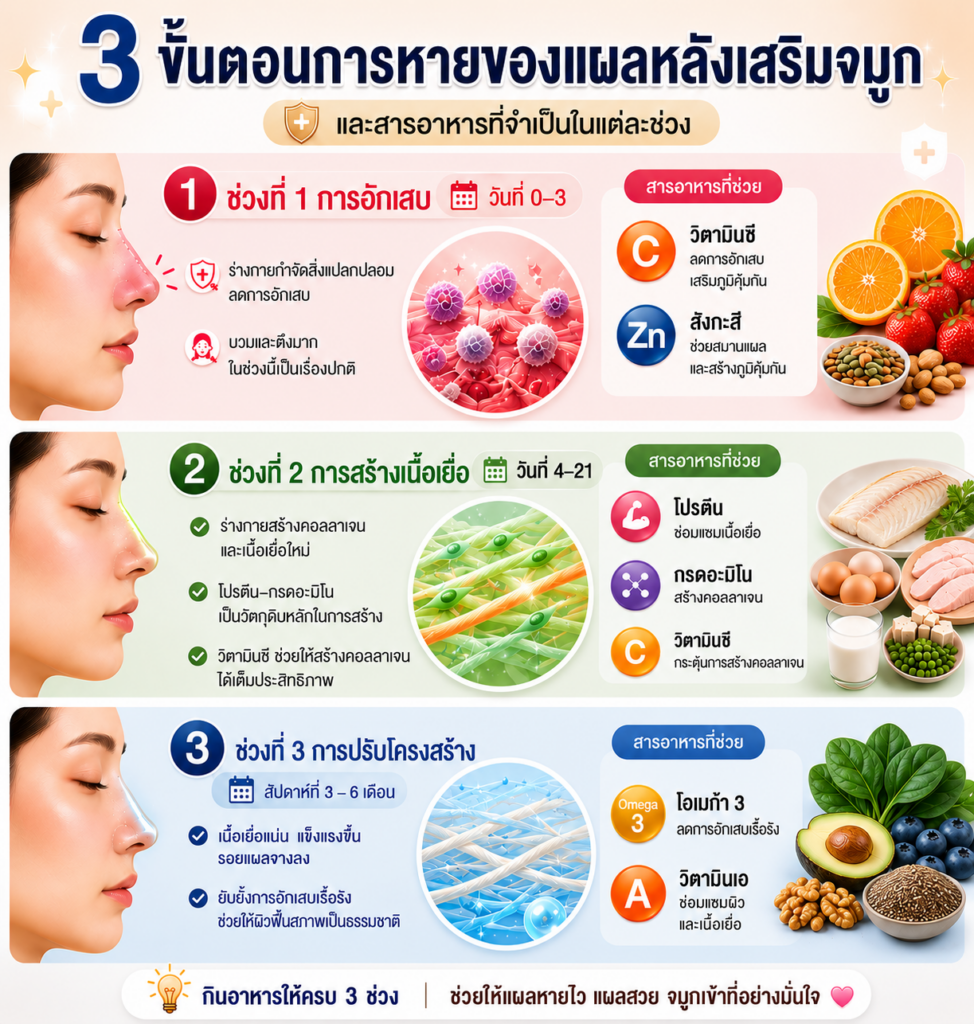
Wound healing does not happen in a single day. It is a gradual process that occurs in three stages. According to Nutritional Support for Wound Healing each stage requires different nutrients.
Stage 1: Inflammation (Days 0–3)
The body responds by sending white blood cells to eliminate bacteria and foreign substances, which can cause the surgical site to become swollen and red. This is a normal part of the healing process. It is recommended to eat easily digestible foods and stay well hydrated by drinking plenty of water.
Stage 2: Tissue Formation (Days 4–21)
After the initial inflammatory phase, the body begins repairing the wound by producing new collagen and tissue. Protein and amino acids are the most important nutrients during this stage because they serve as the building blocks for collagen production.
Vitamin C also plays a key role. According to the NIH Office of Dietary Supplements, vitamin C acts as a cofactor in collagen synthesis. Without adequate vitamin C, tissue repair and healing may slow down.
Stage 3: Remodeling (Week 3 to 6 Months)
During the remodeling stage, newly formed tissue gradually becomes stronger and more organized, while scars begin to fade over time. Although the body may appear to have recovered, internal healing continues for several months.
Omega-3 fatty acids and vitamin A remain important during this stage, as they help support the body’s recovery process and promote healthy skin repair around the nose. Maintaining a balanced and varied diet is just as important during this phase as it is in the early stages of recovery.
(Freshwater fish is recommended, and dietary supplements should be avoided during this period. Nutrients should be obtained from natural food sources instead.)
What Foods Can You Eat After Rhinoplasty? Foods That May Support Recovery
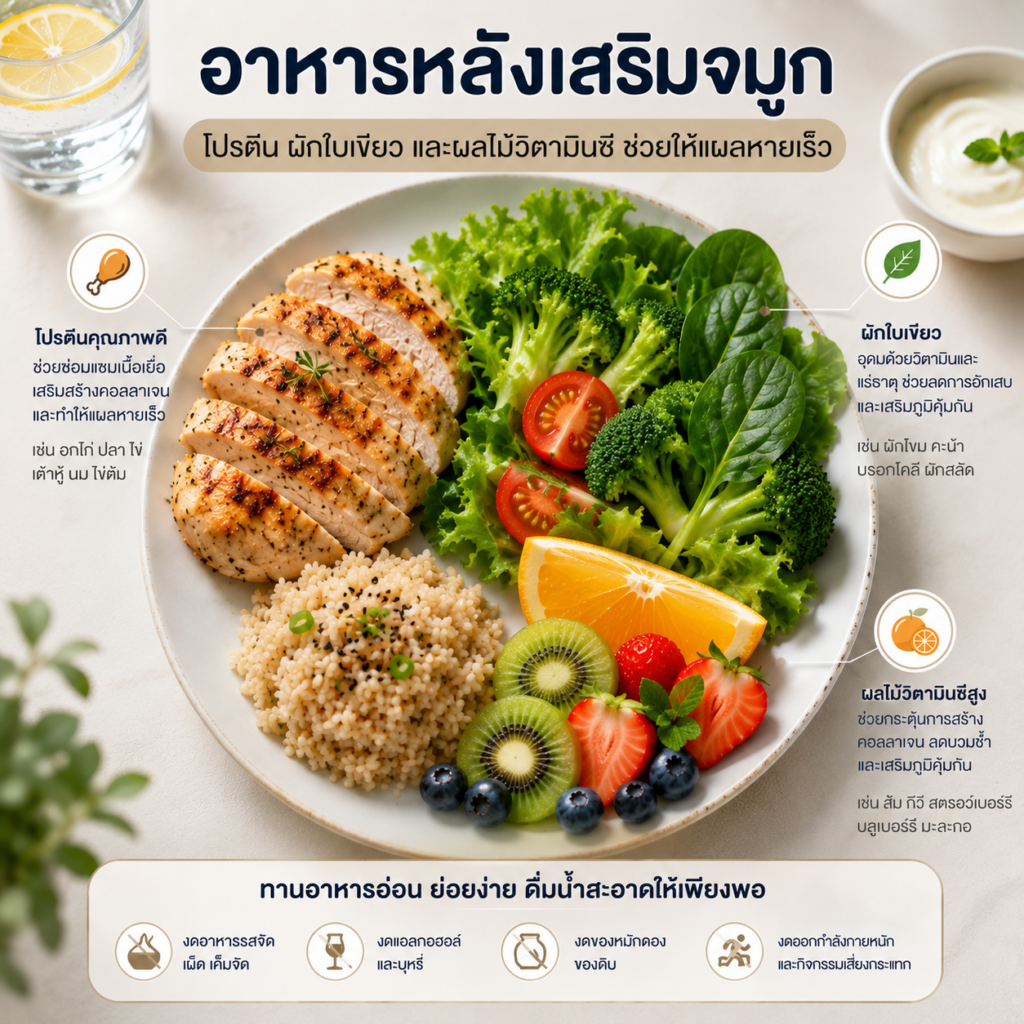
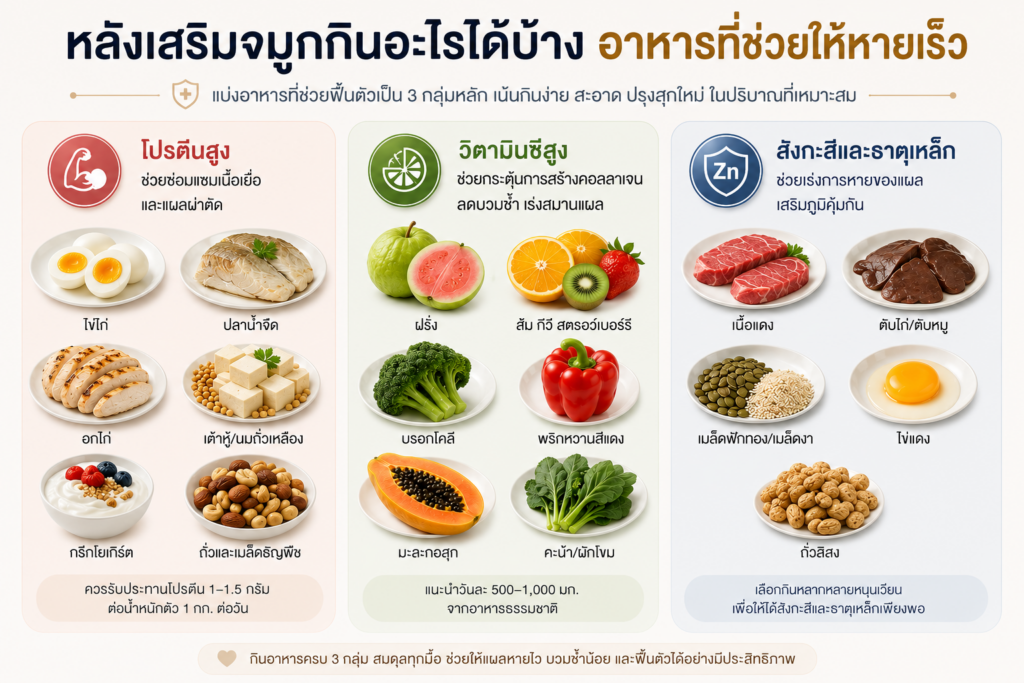
Doctors generally recommend focusing on three main food groups during recovery, based on the nutrients your body needs for healing. Choose foods that are easy to find, freshly prepared, properly cooked, and consumed in appropriate portions.
High-Protein Foods for Tissue Repair and Wound Healing
Protein is the primary building block of collagen and new tissue. During recovery, it is recommended to consume approximately 1–1.5 grams of protein per kilogram of body weight per day. Adequate protein intake may help support wound healing and recovery after rhinoplasty.
Good sources of high-quality, easy-to-digest protein include:
- Eggs – One of the most complete protein sources, containing all essential amino acids. They are easy to digest and suitable during the first few days after surgery when appetite may be reduced.
- Freshwater Fish – Provides easily digestible protein and contains omega-3 fatty acids, which may help support the body’s recovery process.
- Chicken Breast – High in protein and low in fat. It can be steamed or prepared as a soup for a nutritious recovery meal.
- Tofu and Soy Milk – Good options for patients who prefer plant-based protein or have difficulty eating meat during recovery.
- Greek Yogurt – Contains more protein than regular yogurt and provides probiotics that may help support digestive health while taking antibiotics.
- Nuts and Seeds – Foods such as chickpeas, peas, and almonds provide plant-based protein and zinc, making them a convenient snack between meals.
It is best to spread protein intake throughout the day rather than consuming a large amount in a single meal. Pairing protein with foods such as rice, porridge, or congee can help provide sufficient energy to support the recovery process.

Vitamin C-Rich Fruits and Vegetables to Support Collagen Production
Vitamin C is not only important for immune health, but also serves as a key cofactor in collagen synthesis. Adults generally require approximately 500–1,000 mg of vitamin C per day during recovery. Fortunately, vitamin C can be obtained from many natural foods, including:
- Guava – One of the richest sources of vitamin C among tropical fruits. A single guava can provide significantly more vitamin C than several oranges, helping support collagen production around the nose.
- Oranges, Kiwifruit, and Strawberries – High in vitamin C and commonly enjoyed as light snacks during recovery.
- Broccoli and Red Bell Peppers – Rich in vitamin C, folate, and fiber, which help support the body’s natural tissue repair process.
- Papaya – Provides vitamin C and contains papain, a natural enzyme that helps break down protein for digestion and utilization by the body.
- Kale and Spinach – Contain vitamin C along with iron and beta-carotene, nutrients that support overall recovery and tissue health.
Foods Rich in Zinc and Iron to Support Wound Healing
Zinc plays an important role in immune function and wound healing. According to ย Zinc in Wound Healing Modulation by Lin et al. (2018), published in Nutrients, zinc deficiency may significantly delay the healing process. Iron is also important because it helps transport oxygen throughout the body, including to healing tissues.
- Red Meat – Provides protein, zinc, and heme iron, which is more readily absorbed by the body than plant-based iron. Properly cooked meat also helps reduce the risk of foodborne illness during recovery.
- Chicken or Pork Liver – Rich in vitamin A, iron, and vitamin B12. These nutrients support normal tissue repair and help maintain energy levels during recovery.
- Pumpkin Seeds and Sesame Seeds – Good sources of zinc and magnesium. They make a convenient snack and can be easily added to daily meals.
- Egg Yolks – Contain zinc and selenium. When eaten together with egg whites, they provide a complete source of protein and essential amino acids.
- Peanuts – Provide zinc and niacin (vitamin B3). Unsalted peanuts are generally a better choice to avoid excess sodium intake during recovery.
Doctors recommend eating a variety of foods from this group rather than relying on a single source. This helps ensure a balanced intake of zinc and other important nutrients while reducing the risk of food sensitivities.
What Foods Should You Avoid After Rhinoplasty?
In addition to choosing foods that support recovery, there are certain foods and beverages that are best avoided during the first month after rhinoplasty. These may contribute to prolonged swelling or interfere with the healing process.
- Seafood (Shrimp, Shellfish, Crab, and Squid) – The main concern is not that seafood is inherently harmful after surgery, but that it may trigger allergic reactions in some individuals, which could affect recovery.
- Fermented and Preserved Foods – Foods such as fermented fish, salted fish, kimchi, and other high-sodium foods may contribute to water retention and prolonged swelling. Some fermented foods may also carry a higher risk of bacterial contamination if not properly prepared.
- Spicy, Very Sweet, or Very Salty Foods – Strongly flavored foods may increase discomfort during recovery and are generally best avoided for the first two weeks after surgery.
- Alcoholic Beverages – Alcohol may contribute to prolonged swelling and can interfere with the body’s recovery process. It is best avoided while taking prescribed medications and during the early healing period.
- High-Caffeine Beverages – Excessive caffeine intake may contribute to dehydration and affect sleep quality, both of which are important for recovery.
- Sugary Foods and Desserts – A diet high in sugar may contribute to inflammation and may negatively affect the body’s natural healing process.
For more detailed information, you may also read our guide on the five foods commonly recommended to avoid after cosmetic surgery.

Recommended Diet After Rhinoplasty: What Should You Eat at Each Stage of Recovery?
| Recovery Period | Recommended Foods | Foods to Avoid | Important Notes |
|---|---|---|---|
| Days 1–3 (Inflammatory Phase) |
Porridge, soup, cooked vegetables, water, coconut water, soft-boiled eggs, tofu, fruits rich in vitamin C (guava, oranges) | Seafood, alcohol, fermented foods, spicy foods, grilled foods | Choose soft, easy-to-digest foods. Take medications as prescribed and apply cold compresses as recommended. |
| Days 4–7 (Early Tissue Formation Phase) |
Fish, chicken breast, leafy greens, vitamin C-rich fruits, yogurt, eggs, nuts, and seeds | Seafood, alcohol, fermented foods, spicy foods, durian, sugary foods | Gradually return to normal chewing, drink plenty of water, switch to warm compresses if advised, and get adequate rest. |
| Week 2 Onward (Tissue Formation to Remodeling Phase) |
A balanced diet with adequate protein, vitamin C, and zinc every day | Alcohol, seafood, grilled foods, and excessive sweets | If you experience unusual swelling, redness, or pain, contact your surgeon for further evaluation. |
Please note that recovery recommendations may vary depending on the surgical technique used and individual healing factors. For more information, read our guide on how long it takes for swelling to subside and for the nose to fully settle after rhinoplasty.
Can I Take Supplements After Rhinoplasty? Which Ones Actually Help?
Yes, you can take supplements after rhinoplasty, but it is important to consult your surgeon before doing so. Some supplements may interact with medications prescribed during recovery. In general, doctors recommend obtaining nutrients from a balanced diet whenever possible. If you are able to eat a variety of foods from all five food groups, additional supplementation may not be necessary.
Supplements that are generally recommended to be avoided for at least two weeks before and after surgery include high-dose vitamin E, ginkgo biloba extract, garlic supplements, ginseng, and high-dose fish oil.
These supplements may affect blood circulation and could increase the risk of bleeding during the healing process. If you are currently taking any supplements, be sure to inform both your surgeon and pharmacist before making any changes.

How to Recover Faster After Rhinoplasty
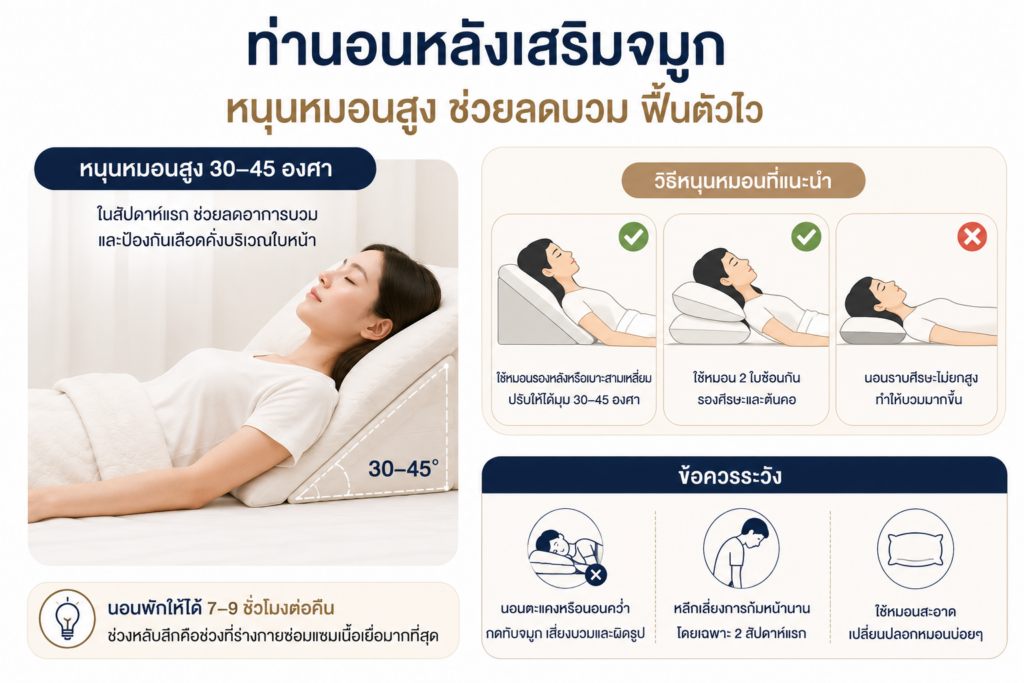
- Sleep with your head elevated at a 30–45 degree angle during the first week after surgery. This may help reduce swelling and minimize fluid accumulation around the face.
- Apply cold compresses during the first 1–2 days, then switch to warm compresses from day 3 onward, as advised by your surgeon. Cold compresses help reduce swelling, while warm compresses may support circulation.
- Get 7–9 hours of sleep each night. Deep sleep is an important part of the body’s natural recovery process. Poor sleep may slow healing.
- Stay well hydrated. Drinking enough water helps support normal body functions and recovery.
- Take all prescribed medications as directed. This includes pain medication and antibiotics. Do not stop taking medications without consulting your doctor, even if you feel better.
- Avoid strenuous exercise during the first month. Activities that significantly increase blood pressure may increase the risk of bleeding and swelling.
- Avoid smoking. Nicotine causes vasoconstriction, which can reduce blood flow and delay wound healing.
- Avoid blowing your nose, rubbing your nose, or bending forward for extended periods during the first two weeks. Be especially careful when washing your face or hair.
Patients who follow their postoperative instructions, maintain a healthy diet, get adequate rest, and attend follow-up appointments are generally more likely to experience a smoother recovery. If you are concerned about discomfort after surgery, you can also read our guide on pain management after rhinoplasty and how long local anesthesia typically lasts.
Frequently Asked Questions About Eating After Rhinoplasty
How Long After Rhinoplasty Can I Return to a Normal Diet?
Most patients can gradually return to a more varied diet within about one month after surgery. However, recovery varies from person to person, and the surgical technique used may also affect the timeline.
During the first 3 days, soft and easy-to-digest foods such as porridge and clear soup are generally recommended. Between days 4–7, protein-rich foods and fruits and vegetables can be added gradually. From the second week onward, most patients can enjoy a wider variety of foods, although alcohol and certain foods are still best avoided for at least 1–2 months.
Can I Eat Seafood After Rhinoplasty?
Doctors generally recommend avoiding seafood for about one month after surgery. Certain types of seafood may trigger allergic reactions in some individuals, which could affect the healing process.
During this period, other protein sources such as chicken breast, freshwater fish, eggs, and tofu can be good alternatives.
Can I Drink Alcohol After Rhinoplasty?
It is generally not recommended. Alcohol should be avoided for at least 1–2 months after surgery. It may contribute to prolonged swelling, interfere with the healing process, and may interact with certain medications prescribed during recovery.
If you are still taking medications, drinking alcohol may increase the risk of side effects.
Does Eating Sweets or High-Sugar Foods Affect Recovery?
Yes. It is generally recommended to limit high-sugar foods during the first month after surgery. Excessive sugar intake may contribute to inflammation and may affect the body’s natural healing process.
If you are craving something sweet, consider choosing vitamin C-rich fruits such as guava, strawberries, or kiwifruit instead.
If I Am Taking Antibiotics, Do I Still Need to Pay Attention to My Diet?
Yes. Antibiotics help reduce the risk of infection, but proper healing also depends on adequate nutrition. Nutrients such as protein, vitamin C, and zinc play important roles during recovery.
It is also important to inform your doctor about any supplements you are taking. Certain supplements, including ginkgo biloba, garlic supplements, and high-dose vitamin E, may interact with medications or increase the risk of bleeding.
Summary: What Should You Eat After Rhinoplasty for a Faster Recovery?
Eating well after rhinoplasty is not as complicated as many people think. The key is to focus on high-quality protein, vitamin C, zinc, and omega-3 fatty acids from natural food sources. Staying well hydrated and maintaining a balanced diet can help support the body’s recovery process.
During the early stages of recovery, it is also recommended to avoid foods and beverages that may contribute to swelling or interfere with healing, such as seafood, alcohol, fermented foods, highly seasoned foods, and high-sugar desserts.
Contact the WE Clinic team for a personalized consultation, including information about rhinoplasty costs, current promotions, and the surgical techniques that may be most suitable for your individual needs.
References
- MacKay, D., & Miller, A. L. (2003). Nutritional support for wound healing. Alternative Medicine Review, 8(4), 359–377. https://pubmed.ncbi.nlm.nih.gov/14653765/
- National Institutes of Health, Office of Dietary Supplements. (2021). Vitamin C: Fact sheet for health professionals. https://ods.od.nih.gov/factsheets/VitaminC-HealthProfessional/
- Lin, P. H., Sermersheim, M., Li, H., Lee, P. H. U., Steinberg, S. M., & Ma, J. (2018). Zinc in wound healing modulation. Nutrients, 11(1), 1–20. https://pubmed.ncbi.nlm.nih.gov/29280987/


สำหรับผู้อ่านทุกท่านที่มีข้อสงสัยเพิ่มเติม ทีมแพทย์ We Clinic ยินดีให้คำปรึกษาฟรี
โดยไม่มีค่าใช้จ่าย หรือสามารถปรึกษาหมอทาง facebook หรือ Line ได้ที่นี่เลยครับ