



Sometimes, even when you get enough rest, your face may still look tired, gaunt, or constantly fatigued. This can be a sign of sunken cheeks or facial hollowing, which often occurs due to the loss of subcutaneous fat or changes in the underlying cheekbone structure.
Restoring facial fullness in a natural-looking way can be achieved through several medical aesthetic approaches. These include facial fat grafting, which uses your own body fat to create soft and youthful volume, as well as dermal fillers for sunken cheeks, which provide immediate and visible results. Other supportive treatment options may also be considered depending on individual facial anatomy.
In this article, Dr. Pingping will guide you through the underlying causes of sunken cheeks and help you understand how to choose the most suitable treatment option to achieve a refreshed, youthful appearance that truly fits you.
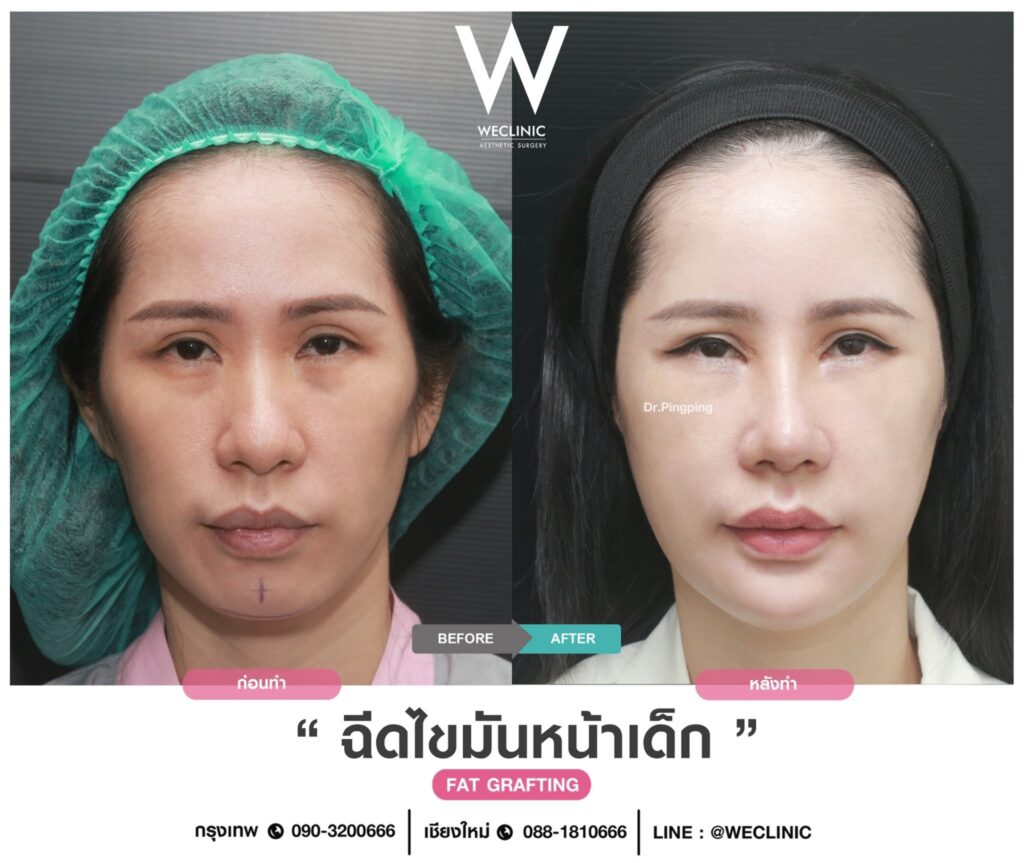
What Are Sunken Cheeks?
Sunken cheeks, also known as a hollow or sunken face, refer to a condition in which the cheek area loses volume and appears noticeably depressed. This creates a visible hollow between the cheekbones and the jawline, causing the face to look gaunt, tired, and older than one’s actual age.
This condition reflects a loss of facial fullness, often making deep grooves or underlying bone contours more apparent. As a result, the overall facial appearance may seem fatigued, less vibrant, and lacking the youthful softness it once had.
What Causes Sunken Cheeks?
Sunken cheeks commonly result from a gradual loss of subcutaneous fat, along with a decline in collagen and elastin as part of the natural aging process. When these supportive structures diminish, the skin loses firmness and internal “scaffolding,” causing the cheeks to appear less full and more hollow over time.
In addition, age-related changes in facial bone structure—particularly reduced projection of the cheekbones can further contribute to a sunken appearance. When the underlying support weakens, the soft tissue may shift or appear depleted, making the face look less plump than before.
Sunken cheeks may also be influenced by other factors, including rapid weight loss, nutritional deficiencies, genetics, and certain lifestyle habits. Together, these elements can lead to a more gaunt facial look and an overall appearance that seems older or more fatigued.
What Do Sunken Cheeks Look Like? Key Signs and Characteristics
Sunken cheeks can often be identified through the following features:
- A noticeable hollow or depression in the mid-cheek area
- Cheekbones that appear more prominent than usual
- A face that looks tired, gaunt, or older in overall appearance
- Makeup that does not sit smoothly on the skin, as the skin may look thinner and less elastic
- More visible hollows when making facial expressions—such as smiling or speaking
People with naturally high cheekbones or a genetically narrow facial structure may show sunken cheeks more clearly than others. The good news is that this concern can be properly assessed and effectively treated, helping restore a softer, fuller, and more youthful-looking facial appearance.
What Causes Sunken Cheeks?
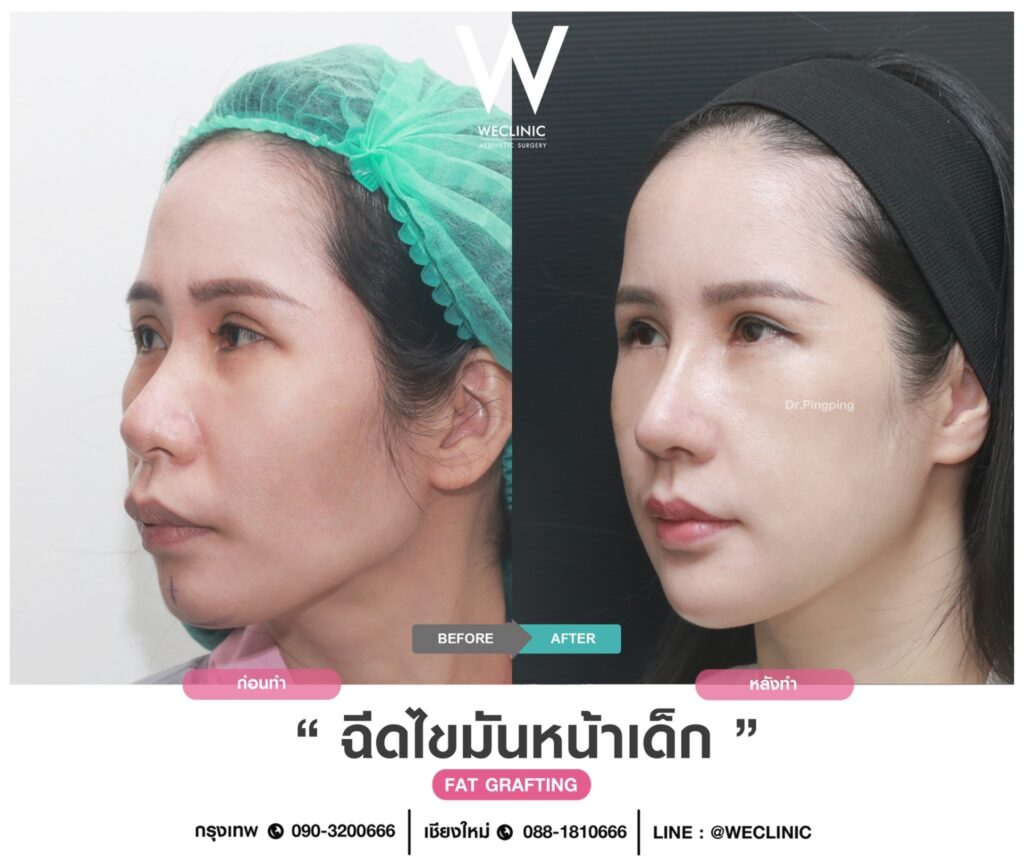
Sunken cheeks or facial hollowing are not caused by aging alone. In most cases, multiple factors work together, gradually leading to volume loss in the cheek area and causing the face to appear tired, gaunt, and less youthful than before. The most common causes include the following:
- Aging Process
As we age, subcutaneous fat and collagen naturally decline. This leads to weakening of the skin’s supportive structure, thinning of the fat layer, and gradual changes in the underlying cheekbone structure. As a result, the cheeks lose volume, the lateral face appears hollow, and shadows become more noticeable in the mid-face area.
- Genetics
Some individuals are genetically predisposed to sunken cheeks from a young age. This is especially common in people with naturally high cheekbones or a relatively flat midface structure. In such cases, the hollow between the cheekbones and the jawline may be visible even at a younger age. These facial characteristics can run in families and are considered a hereditary trait.
- Rapid Weight Loss
Rapid weight loss or prolonged calorie restriction can lead to a reduction of fat throughout the body, including facial fat. When the cheeks lose their underlying support, they may appear flat or hollow. In some individuals, this may also be accompanied by deeper under-eye hollows and more pronounced nasolabial folds.
- Orthodontic Treatment or Tooth Extraction
Many people are unaware that orthodontic treatment or multiple tooth extractions can affect facial structure. When several teeth are removed prior to orthodontic treatment, the oral cavity may become narrower. As the teeth are repositioned, the midface can appear less supported, making the cheeks look sunken. Additionally, during orthodontic treatment, reduced food intake due to chewing discomfort may further contribute to facial fat loss.
- Improper Botox Injection
Incorrectly placed jawline Botox injections, particularly when injected too high above the masseter muscle, may weaken nearby facial muscles unintentionally. This can cause the cheeks to appear sunken or lead to facial asymmetry. For this reason, Botox injections should always be performed by experienced medical professionals to minimize such risks.In summary, sunken cheeks are typically the result of structural facial changes influenced by aging, genetics, and lifestyle factors combined. With proper evaluation and an accurate understanding of the underlying causes, this condition can be effectively addressed.
How Do Sunken Cheeks and Sunken Temples Affect Facial Feng Shui?
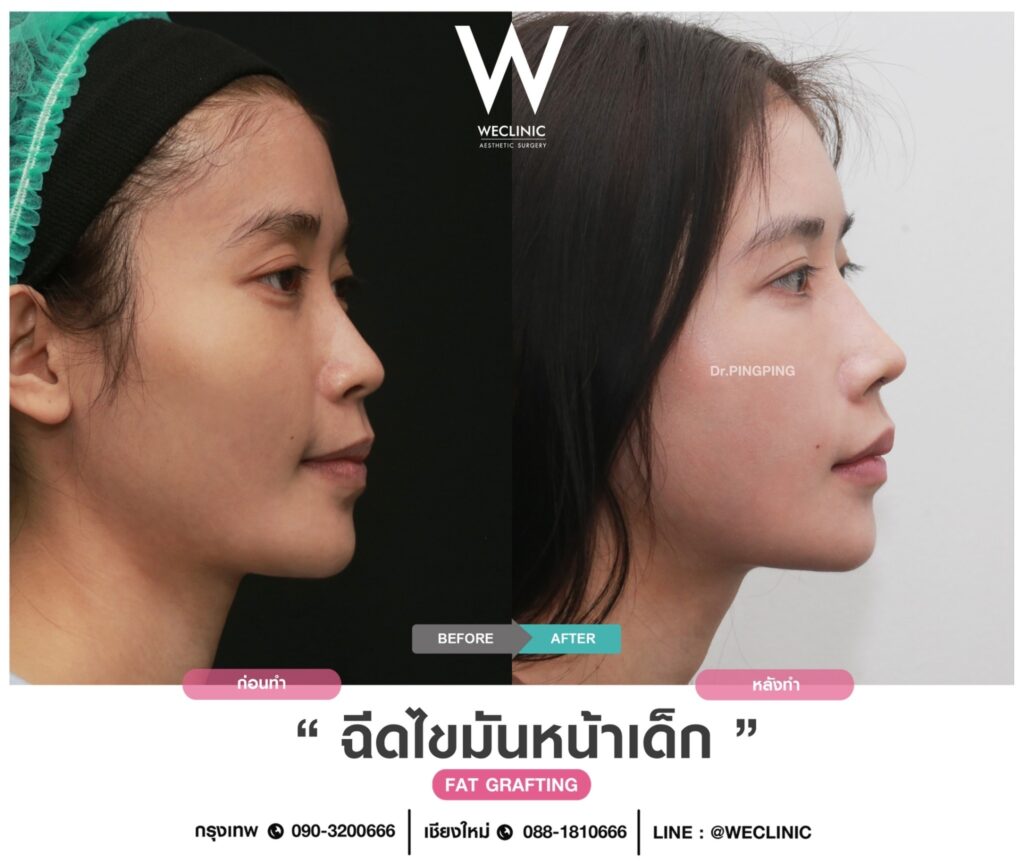
In traditional facial feng shui beliefs, sunken cheeks and sunken temples are generally considered less favorable features. They are often associated with signs of hardship, exhaustion, and a lack of support from people around the individual. A face with hollowed cheeks, deep nasolabial folds, sunken temples, or downturned mouth corners is commonly interpreted as reflecting someone who works hard, tires easily, or gives more than they receive putting in effort without proportional rewards.
In contrast, according to these beliefs, ideal cheek characteristics include cheeks that are naturally full, well-contoured, and smooth, without deep hollows or drooping mouth corners. The cheekbones and mid-cheek area should appear balanced and harmonious, rather than flat or overly prominent. Properly proportioned cheekbones are believed to represent balanced authority and life opportunities, while full cheeks symbolize prosperity, supportive relationships, and long-term stability.
Individuals with a fuller, well-supported cheek structure are traditionally believed to receive guidance from mentors, enjoy loyal support from others, and experience ongoing good fortune. In this context, a plump and harmonious facial appearance is thought to convey positive supportive energy, enhancing one’s credibility, abundance, and stability in both personal life and career.
These interpretations are based on traditional beliefs and cultural perspectives rather than medical or scientific principles.
How Can Sunken Cheeks Be Treated? Which Procedure Is Right for You?
Sunken cheeks can be effectively treated through modern medical aesthetic procedures. Today, there are several options available to restore facial volume and create a fuller, more youthful appearance. These include facial fat grafting, dermal fillers for sunken cheeks, and, in selected cases, thread lifting. Let’s take a closer look at each option to determine which approach may be best suited to your individual concerns.
1. Fat Grafting for Sunken Cheeks
One of the most commonly recommended treatments for sunken cheeks or facial hollowing is facial fat grafting, also known as youthful fat transfer. This technique restores facial volume in a natural way and typically provides longer-lasting results compared to conventional dermal fillers.
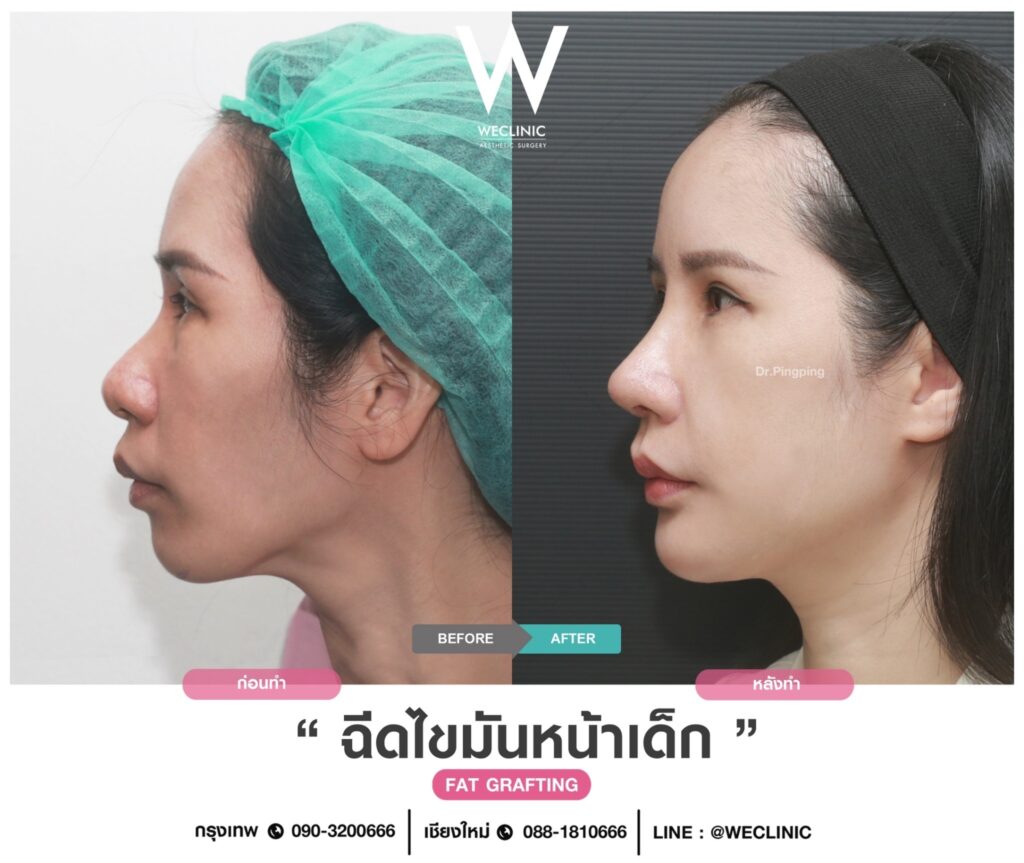
What Is Fat Grafting for Sunken Cheeks?
Fat grafting for sunken cheeks involves transferring your own fat cells from areas with excess fat such as the inner thighs, outer thighs, or hips and carefully injecting them into hollow or sunken areas of the face. This process helps restore volume, improve skin quality, and create a softer, more youthful appearance.
This approach is particularly effective for individuals with sunken cheeks, hollow temples, facial volume loss, or deep nasolabial folds, as it enhances facial balance, dimension, and overall youthfulness.
Who Is a Good Candidate for Fat Grafting?
Fat grafting for sunken cheeks may be suitable for individuals who:
- Have sunken cheeks or minimal cheek fat, causing the face to look tired or aged
- Experienced rapid weight loss resulting in facial volume loss or sagging
- Wish to restore facial fullness and improve skin firmness
- Prefer targeted volume restoration in areas such as the cheeks, nasolabial folds, or temples for a more balanced and refined facial appearance
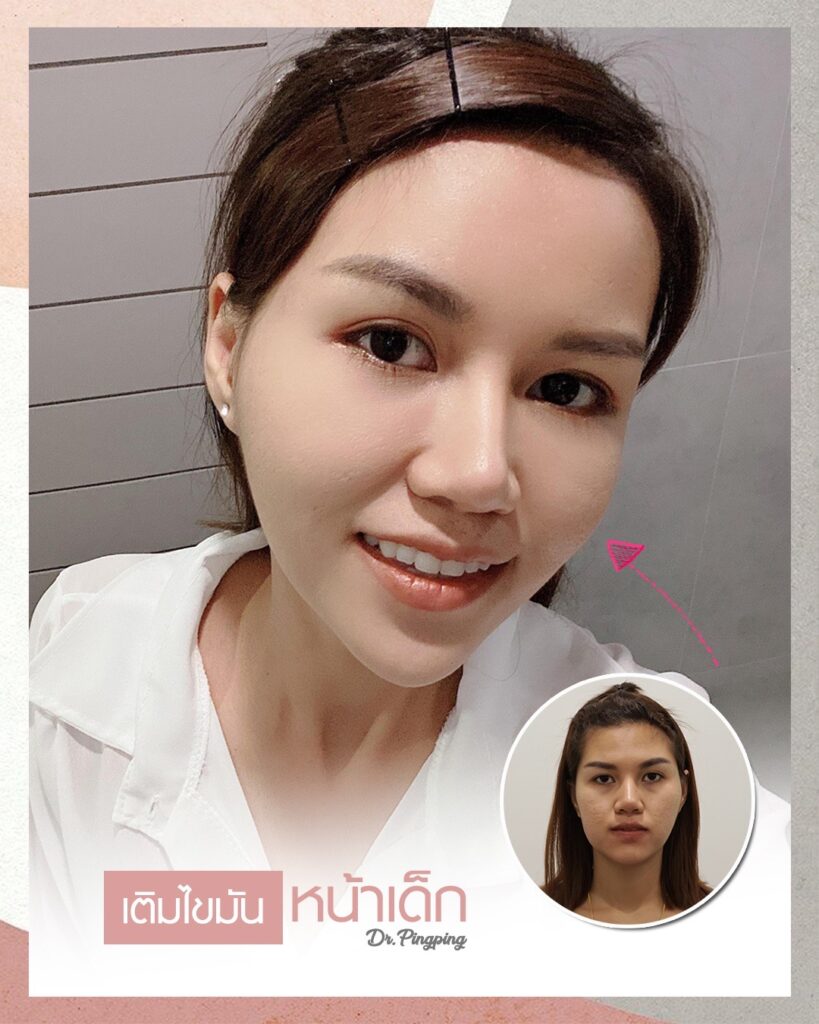
Advantages of Fat Grafting for Sunken Cheeks
- Natural-looking results: Uses your own fat, ensuring excellent compatibility and a low risk of allergic reactions
- Comprehensive facial enhancement: Can be applied to multiple areas, including cheeks, temples, under-eye hollows, and deep facial folds
- Long-lasting outcomes: A portion of the transferred fat can survive permanently, with results lasting for several years when properly cared for
- Skin rejuvenation benefits: Improves skin texture, refines pores, and enhances overall skin quality
- Dual benefit: Fat removal from donor areas also helps contour those regions
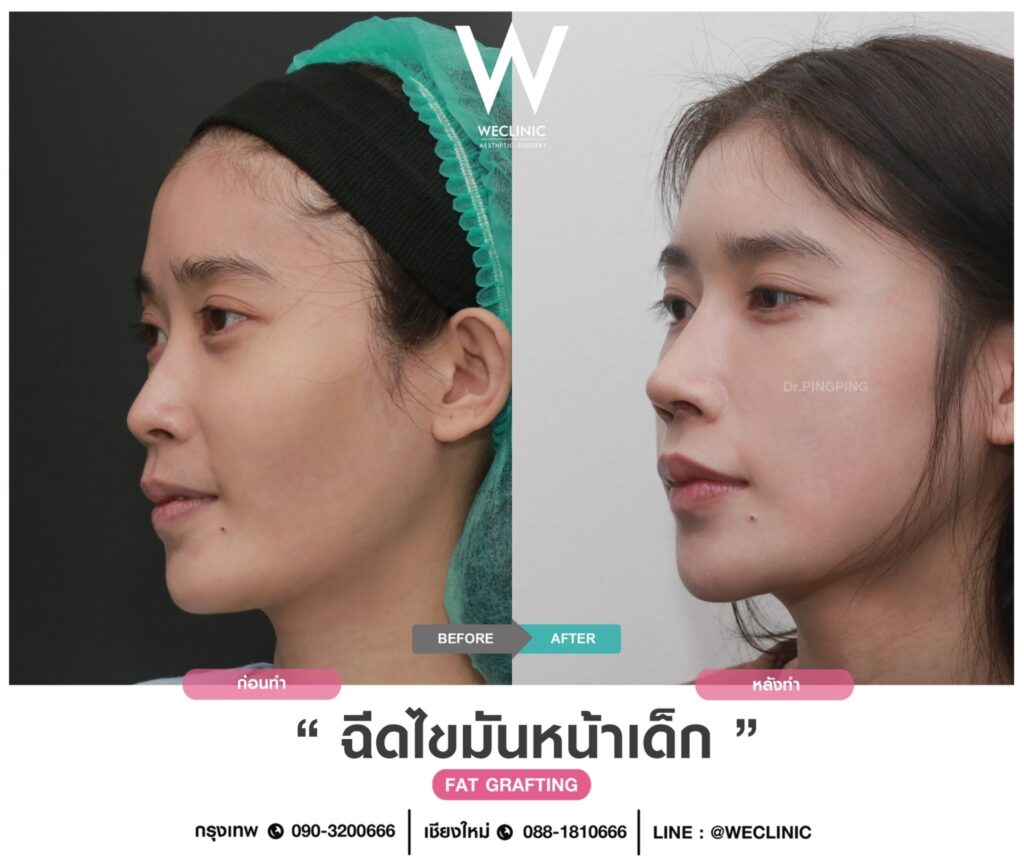
Advanced Fat Grafting Techniques for Long-Lasting, Smooth Results
To achieve stable, natural-looking outcomes and minimize the risk of lumpiness, Dr. Pingping at WE Clinic employs advanced techniques, including:
- Microselection Technique
This method involves harvesting fat from areas with fine, high-quality fat cells and processing them through specialized filters to select only healthy, viable fat cells for transfer.
- Nano Fat Selection Technique
Ultra-fine fat particles (nano fat) are used in delicate areas such as the under-eye region or superficial wrinkles. This technique helps prevent irregularities while ensuring smooth, natural integration with the surrounding tissue.
- Layered Fat Injection Technique
Fat is injected in small amounts, layer by layer, allowing even distribution and optimal blood supply to the transplanted cells. This approach enhances fat survival and creates a soft, naturally full appearance.
For more detailed information about facial fat grafting, you can read the full article here: https://weclinicbkk.com/fat-transfer/
2. Dermal Fillers for Sunken Cheeks
What Are Dermal Fillers for Sunken Cheeks?
Dermal fillers for sunken cheeks involve injecting a hyaluronic acid (HA) filler into areas where facial fat and soft tissue have diminished. This helps replace lost volume, soften deep hollows, and lift depressed areas so they appear smoother and more balanced. When placed at the correct anatomical layer and in an appropriate amount, HA fillers can restore natural-looking fullness.
As a result, a previously gaunt face or hollow cheeks can appear more hydrated, softly contoured, and visibly more youthful often with an immediate improvement in facial dimension and overall freshness.
Who Are Cheek Fillers Best Suited For?
This procedure is considered one of the most targeted solutions for sunken cheeks because results are noticeable right after treatment. It is non-surgical, does not require incisions, and typically involves minimal downtime.
When authentic, medical-grade fillers are used and the injection technique is performed by an experienced medical professional, the procedure offers a high level of safety with natural-looking outcomes—without stiffness or lumpiness.
For individuals with more pronounced hollowing and facial laxity, the treatment plan may be designed to address both the sunken cheek area and the outer cheek region (often referred to as the “apple cheeks”). This can help improve facial lift, restore youthful proportions, and enhance overall facial harmony. Some patients also feel that restoring cheek fullness supports a more balanced facial feng shui appearance as well.
Benefits of Dermal Fillers for Sunken Cheeks
- Medically controlled outcomes: Performed under physician care, with predictable results and safety oversight
- Naturally dissolvable: Genuine HA fillers are biodegradable and do not remain permanently in the body
- Immediate improvement: Visible results right after the procedure, with no significant recovery time
- Enhanced facial freshness: Helps the face look fuller and may support smoother-looking skin, contributing to a brighter, more youthful appearance
For those who feel their face looks tired or aged due to sunken cheeks, dermal fillers can be an excellent option addressing both facial contour and overall facial vitality at the same time.
Thread Lifting for Sunken Cheeks
In addition to facial fat grafting and dermal fillers for sunken cheeks, another procedure that can enhance facial contours and improve skin firmness is thread lifting. When properly assessed and the thread vectors are carefully planned, thread lifting may help improve sunken cheeks in selected cases.
What Is Thread Lifting for Sunken Cheeks?
Thread lifting is a facial contouring and lifting procedure that uses dissolvable threads placed beneath the skin along pre-designed directions. The goal is to gently lift and support the skin and fat compartments, helping reposition soft tissue into a more desirable location.
Beyond improving skin laxity, certain thread-lift techniques may also help reduce the appearance of hollows by redistributing existing tissue, making sunken areas look subtly fuller in appropriate candidates.
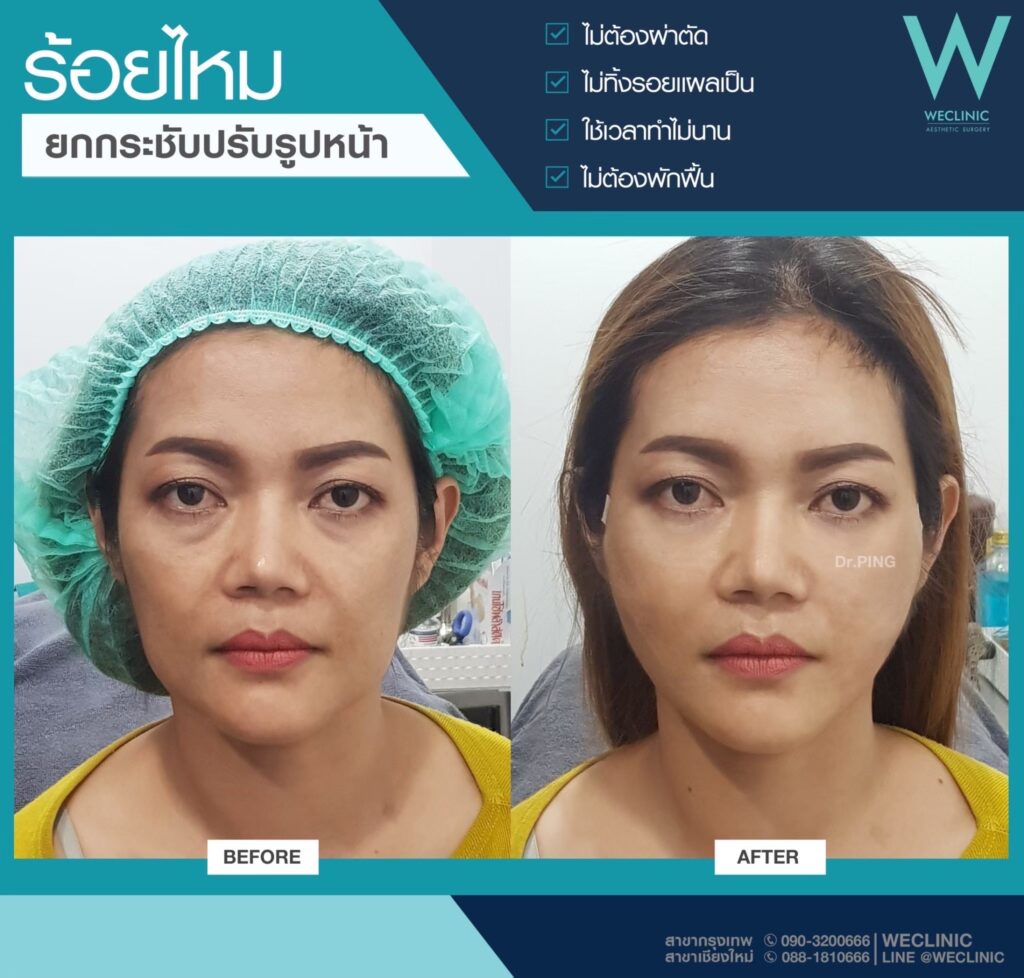
Who May Benefit from Thread Lifting?
Thread lifting can be particularly helpful for sunken cheek concerns in patients who show a clear imbalance between the upper and lower cheek areas, such as:
- The upper cheeks look hollow, while the lower cheek area appears fuller or puffy
- There is more fat accumulation in the lower cheek region compared to the upper mid-cheek area
In these cases, physicians may use thread vectors to lift and reposition lower cheek fat upward, helping soften hollows and improve overall facial contour—often without adding external fillers.
Who Is Not an Ideal Candidate?
Thread lifting may not be recommended for:
- Individuals with very minimal cheek tissue or extremely thin fat layers, as lifting can sometimes accentuate hollowing
- Individuals with very prominent or high cheekbones, since lifting the tissue upward may further emphasize the cheekbone contour
For these patients, physicians often consider fat grafting or dermal fillers as more suitable options for addressing sunken cheeks.
Benefits of Thread Lifting in Sunken Cheek Cases
- Helps lift sagging skin while improving cheek contour and facial dimension
- Suitable for individuals with fuller lower cheeks, allowing tissue repositioning instead of adding volume from external fillers
- No surgical incision—typically only small needle entry points
- Can be combined with fillers or fat grafting in selected cases to enhance results
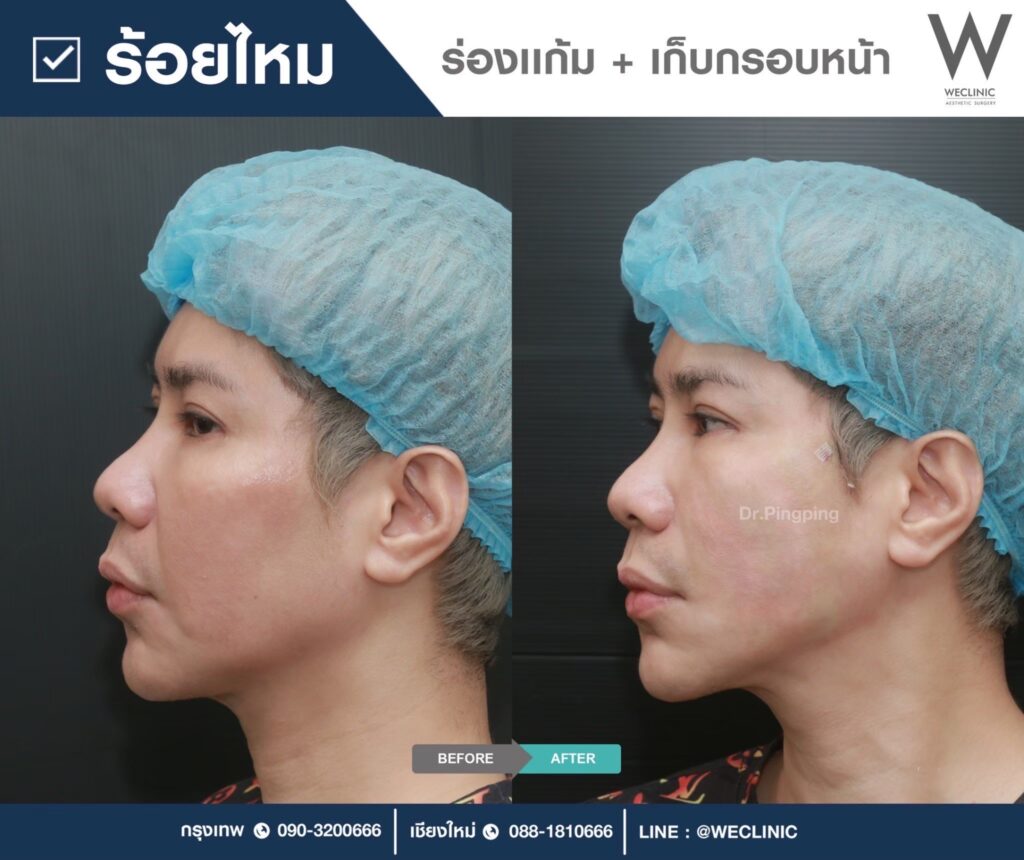
Thread Lifting Technique for Sunken Cheeks
Treating sunken cheeks with thread lifting requires a detailed facial assessment and careful selection of thread type and quantity—neither too many nor too few. The thread placement is planned to help lift the lower cheek fat pad upward to support the hollow area. When performed at the correct depth and direction, the mid-cheek hollow may appear fuller, the face can look more refreshed, and overall proportions may look more balanced.
Because of this, thread lifting for sunken cheeks must be precisely designed in both direction and tension to avoid an overly tight appearance or exaggerated cheekbone prominence.
At WE Clinic, thread lifting is performed using techniques that anchor the threads to strong facial support points, such as the facial ligaments. This provides stable support and helps lift excess cheek tissue upward, creating a naturally refreshed look with improved facial firmness and more balanced cheek volume.
For more information, you can read the full article here: https://weclinicbkk.com/what-is-thread-lift/
How to Prepare Before Treating Sunken Cheeks
Proper preparation before undergoing procedures for sunken cheeks plays an important role in achieving optimal results and minimizing the risk of side effects. Key recommendations include the following:
1. Medical Consultation
Share your medical history: Inform your physician about any underlying medical conditions, medications you are currently taking, and any known drug or substance allergies. This information is essential for safe and personalized treatment planning.
Discuss concerns and expectations: Clearly communicate your concerns about sunken cheeks and the results you hope to achieve. This allows the physician to evaluate your facial structure and recommend the most appropriate treatment option for you.
2. Avoid Certain Medications and Supplements
Under medical guidance, it is generally recommended to stop taking medications or supplements that may affect blood clotting at least 1–2 weeks before the procedure. This helps reduce the risk of bruising and swelling after treatment.
3. Avoid Alcohol Consumption
Refrain from drinking alcoholic beverages for at least 24–72 hours before the procedure, as alcohol can increase the likelihood of bruising and swelling.
4. Avoid Smoking
If possible, avoid smoking both before and after the procedure. Smoking may interfere with proper wound healing and can increase the risk of complications, potentially affecting treatment outcomes.
Post-Procedure Care: What to Do After Treating Sunken Cheeks
Proper aftercare following procedures for sunken cheeks is essential to achieve natural-looking results, prolong treatment longevity, and minimize the risk of complications. The following five guidelines are strongly recommended:
- Avoid touching or massaging the treated area: Refrain from pressing, rubbing, or massaging the treated areas for at least 2–3 days to allow the injected material or repositioned tissue to stabilize properly.
- Avoid heat exposure and strenuous activities: Stay away from activities that generate excessive heat, such as saunas, intense exercise, or prolonged sun exposure, for approximately 1–2 days after the procedure.
- Avoid alcohol and smoking: Refrain from drinking alcohol and smoking during the first 2–3 days, as both can increase swelling, inflammation, and delay healing.
- Take prescribed medications as directed: If pain relievers or antibiotics are prescribed, take them exactly as instructed to support proper healing and reduce the risk of infection.
- Attend follow-up appointments: Return for follow-up visits as scheduled so the physician can monitor healing progress and ensure optimal results.
Natural Ways to Improve Sunken Cheeks
Although sunken cheeks or a hollow-looking face often require medical aesthetic procedures for noticeable results, certain natural approaches may help improve facial fullness to some extent. These methods tend to produce gradual results and may vary depending on individual body conditions.
- Healthy weight gain:
Many people with sunken cheeks experience facial volume loss due to rapid weight loss or being underweight. Gaining weight in a healthy and controlled way may help restore some facial softness.
Focus on adequate protein intake based on body weight, include healthy fats such as avocados and nuts, choose complex carbohydrates, consume low-sugar fruits and vegetables, and maintain proper hydration to support skin recovery.
- Avoid unhealthy weight gain methods:
Gaining weight through excessive refined carbohydrates, fried foods, or sugary snacks may increase body fat overall but rarely improves sunken cheeks. This approach may also negatively impact long-term health.
- Vitamin and supplement support:
Supporting the body from within can help improve the appearance of sunken cheeks to a certain degree. Nutrients such as multivitamins, vitamin C, essential minerals, and collagen may support collagen and elastin production, contributing to better skin hydration and elasticity.
- Professional guidance is recommended:
Before starting any vitamin or supplement regimen, it is advisable to consult a physician or pharmacist to ensure proper selection, appropriate dosage, and overall safety.
How to Prevent Sunken Cheeks
Early self-care plays an important role in reducing the risk of developing sunken cheeks. When the skin structure and overall health are well maintained, facial fat and collagen loss can be slowed to a certain extent. Key preventive measures include:
- Maintain a balanced diet: Consume a well-rounded diet that includes all five major food groups to ensure the body receives adequate nutrients necessary for skin strength and repair.
- Exercise regularly: Regular physical activity helps improve blood circulation, supporting healthier-looking skin and overall facial vitality.
- Get enough quality sleep: Adequate rest allows the body to repair and regenerate. Chronic sleep deprivation or overworking can accelerate skin aging and facial volume loss.
- Support collagen production as you age: As collagen production naturally declines with age, certain supplements may be considered when appropriate. These should be taken under medical guidance to ensure safety and suitability.
- Follow professional medical advice: Proper guidance from a physician can help maintain skin firmness, delay sagging, reduce the formation of deep lines, and lower the likelihood of premature facial hollowing.
By adopting these habits early, individuals can help preserve a fuller, healthier-looking face and reduce the chances of developing sunken cheeks before their time.
Summary: Sunken Cheeks
Sunken cheeks, also known as a hollow-looking face, describe a condition where the cheek area loses volume and becomes noticeably depressed. This often creates a visible hollow between the cheekbones and the jawline, making the face appear gaunt, tired, and older than one’s actual age even when a person is getting enough rest.
The most common causes of sunken cheeks include age-related loss of facial fat and collagen, genetic facial structure, rapid weight loss, orthodontic treatment or multiple tooth extractions, and, in some cases, improperly placed Botox injections that may affect facial balance.
Treatment options for sunken cheeks range from medical aesthetic procedures such as facial fat grafting, dermal fillers, and thread lifting, to supportive natural approaches. Healthy weight management, a well-balanced diet, and consistent self-care habits may help maintain skin strength and facial vitality. With the right evaluation and an individualized plan, facial fullness can be restored for a softer, more youthful-looking appearance.
Frequently Asked Questions About Sunken Cheeks
1) What should I eat if I have sunken cheeks?
If you’re concerned about sunken cheeks, focus on a balanced diet that supports healthy weight and skin structure. Prioritize high-protein foods (such as fish, chicken, and eggs), healthy fats (nuts, seeds, and avocado), and vitamin C–rich fruits, which support collagen production. Aim to eat all five major food groups and stay well hydrated.
If you have a poor appetite or struggle to eat enough, you may consider vitamins or supplements that support nutrient intake and absorption; however, it’s best to consult a physician or pharmacist to choose what is appropriate and safe for you.
2) Can orthodontic treatment cause a hollow face or sunken cheeks?
Yes, orthodontic treatment can contribute to a more hollow-looking face in some individuals especially when multiple teeth are extracted before braces. This may reduce oral space and make the surrounding soft tissue appear less supported. In addition, some people eat less during the early stages of orthodontic treatment due to chewing discomfort, which can lead to weight loss and reduced facial fat.
If facial hollowing remains noticeable, supportive treatments such as dermal fillers for sunken cheeks or facial fat grafting may be considered to restore facial fullness, depending on the individual case.
3) How long do fillers for a hollow face last?
Dermal fillers for sunken cheeks provide temporary volume restoration, as the filler gradually breaks down and is naturally absorbed by the body. In general, hyaluronic acid (HA) fillers may last approximately 6–18 months, depending on the specific product used, injection area, and individual lifestyle and aftercare.
To maintain a consistently fuller look, follow-up assessments and repeat treatments may be recommended based on your physician’s guidance.
4) Are sunken cheeks dangerous if left untreated?
Sunken cheeks are not typically harmful to physical health. However, they can make the face look tired, aged, and less vibrant, which may affect confidence and overall appearance.
If facial hollowing develops rapidly, or if it is accompanied by significant or unexplained weight loss, it is advisable to consult a physician for a more thorough evaluation.


สำหรับผู้อ่านทุกท่านที่มีข้อสงสัยเพิ่มเติม ทีมแพทย์ We Clinic ยินดีให้คำปรึกษาฟรี
โดยไม่มีค่าใช้จ่าย หรือสามารถปรึกษาหมอทาง facebook หรือ Line ได้ที่นี่เลยครับ