


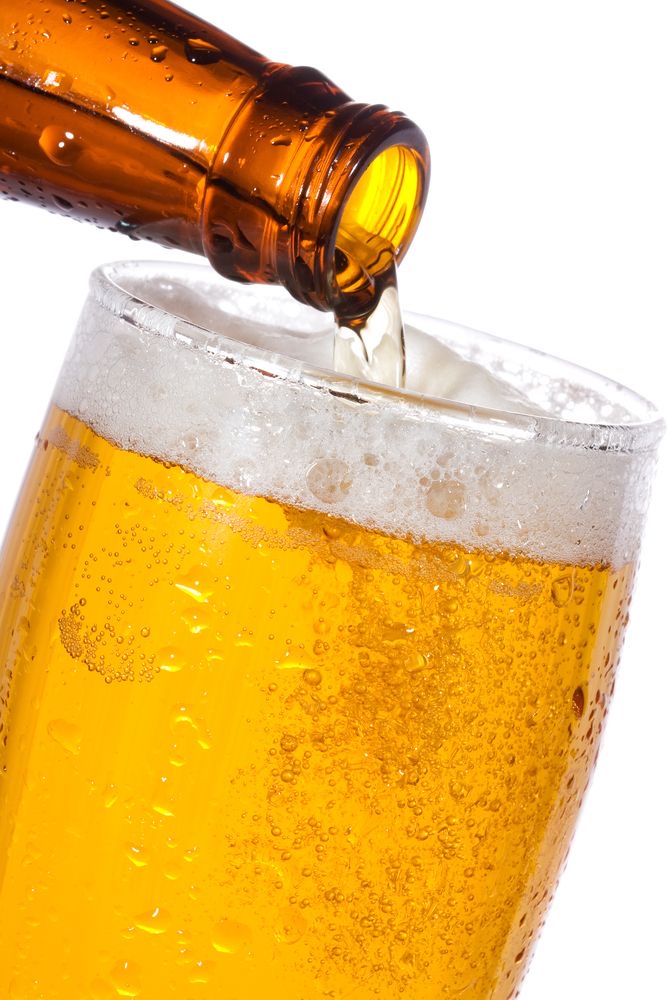
After rhinoplasty, once the swelling begins to subside and the external incision looks better, many patients are eager to return to their normal routine. This often raises the question: When can you drink beer after rhinoplasty?—especially when there is a social gathering or special event coming up.
However, even if the nose looks better on the outside, the tissues beneath the surface still need time to heal. Drinking alcohol too soon after rhinoplasty may affect swelling and the wound-healing process.
In this article, our doctor explains how long you should avoid beer after rhinoplasty, what precautions to take at each stage of recovery, and what symptoms to watch for if you accidentally drink alcohol too soon, so you can take proper care of yourself throughout the healing period.
Table of Content
How Long After Rhinoplasty Can I Drink Alcohol?
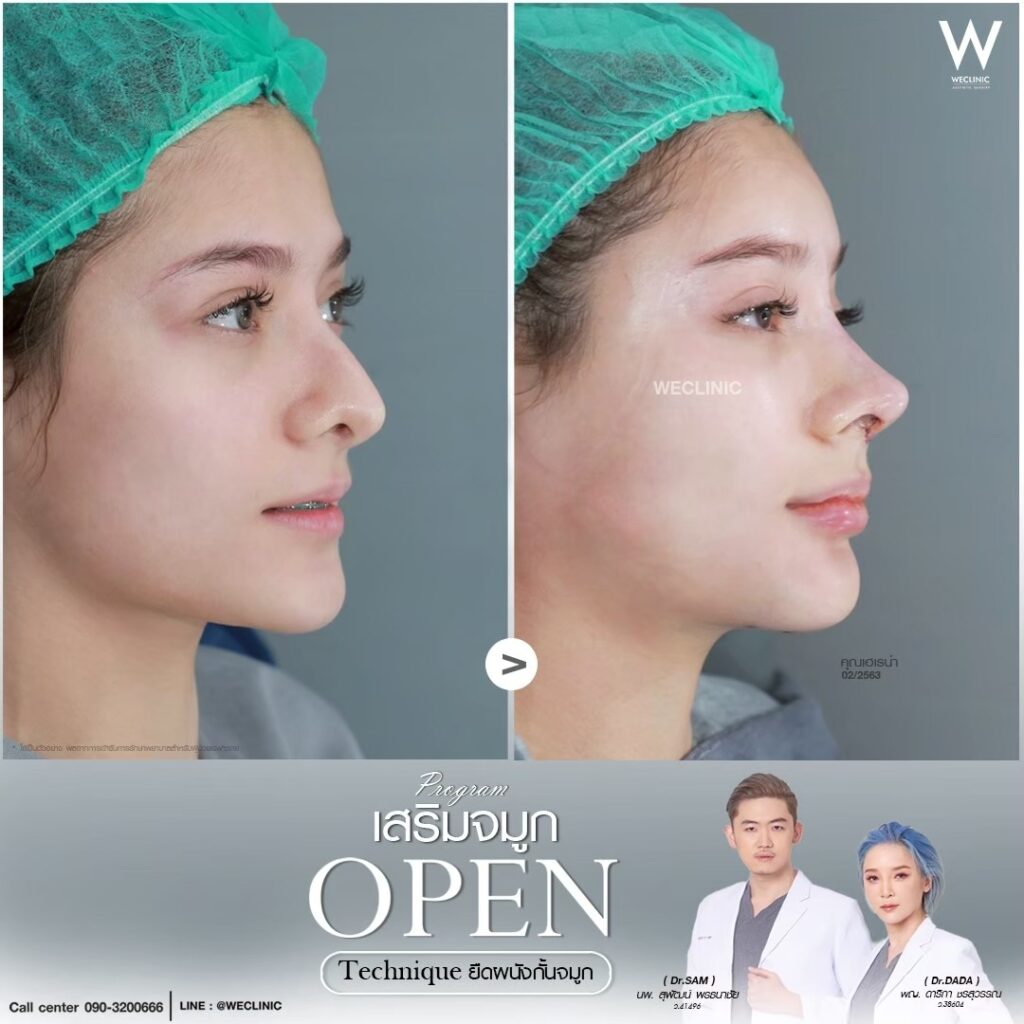
After rhinoplasty, it is generally recommended to avoid alcohol for at least 1 month to allow the surgical wound and internal tissues adequate time to heal. Even if the swelling has decreased and the incision looks better on the outside, the internal healing process is still ongoing.
Alcohol can cause blood vessels to dilate, which may increase swelling and interfere with wound healing. Another important concern is drinking alcohol while taking medications during recovery, such as pain relievers or antibiotics, as alcohol may increase side effects, affect how the medication works, or place additional strain on the liver.
For this reason, alcohol should be avoided until you have finished your prescribed medications and your surgeon confirms that it is safe to resume drinking. The appropriate waiting period may vary depending on the surgical technique, degree of swelling, and individual recovery. In particular, revision rhinoplasty or procedures involving more extensive structural correction may require a longer period of alcohol avoidance.
Why Can Beer Make Your Nose Swell More Easily?
Although beer usually has a relatively low alcohol concentration, it is easy to drink in larger amounts. As a result, some people may consume more alcohol than they realize, which can cause blood vessels to dilate and make a healing nose appear more swollen, red, or tight.
Another factor is the food commonly eaten with beer, such as fried foods, processed foods, and fermented or pickled foods, which are often high in sodium. Excess sodium can cause the body to retain more fluid, making swelling around the face and nose more noticeable, especially while the tissues are still healing.
How Long Should You Avoid Alcohol After Rhinoplasty?
| Time After Rhinoplasty |
Recovery Progress | Alcohol Recommendation |
|---|---|---|
| Days 1–7 | The incision is in the early stages of healing, swelling and bruising are still noticeable, and antibiotics are often still being taken after surgery. | Strictly avoid alcohol. It may increase swelling, bruising, or bleeding, and should not be combined with certain medications. |
| Weeks 2–4 | The external incision begins to heal, but swelling and internal tissue repair are still ongoing. | Continue to avoid alcohol, even if the sutures have been removed or the incision appears to be healing well, because the nose is still recovering internally. |
| After 1 Month | Some swelling has subsided and the incision has healed further, although the internal tissues are not yet fully settled. | If healing is progressing normally, there are no unusual symptoms, and you are no longer taking medications that interact with alcohol, you may consider drinking again with your surgeon’s approval. |
| Around 3 Months and Beyond | Most swelling has resolved and the nasal structure is becoming more stable, although subtle changes may continue. | If recovery is progressing normally, alcohol can generally be resumed in moderation. Extra caution may be needed for revision rhinoplasty patients or those with slower-than-expected healing. |
Why Should You Avoid Beer or Alcohol After Rhinoplasty?
Some people may think that drinking just one can of beer is unlikely to cause any problems. However, while the tissues are still healing, alcohol may affect blood circulation, immune function, sleep quality, and post-operative medications. Therefore, whether it is safe to drink again depends on more than just the amount of alcohol consumed.
There are four main reasons why doctors recommend avoiding alcohol during rhinoplasty recovery:
1. Vasodilation
Alcohol can cause vasodilation, particularly in the face, increasing blood flow to tissues that are still healing after rhinoplasty. This may cause a nose that had started to become less swollen to appear more swollen or red, or feel tighter after drinking.
In addition to swelling, alcohol may also interfere with tissue repair. A review published in PLOS ONE in 2017 examined the effects of alcohol on wound healing and reported delayed wound healing, prolonged inflammation, and impaired re-epithelialization. The study also described how alcohol may affect cell proliferation and the formation of new blood vessels, both of which are important parts of the wound-healing process.
The degree of swelling after drinking can vary depending on the amount of alcohol consumed, how long it has been since surgery, the amount of rest you get, and your overall post-operative care.
2. Alcohol and Post-Operative Medications
During the early recovery period after rhinoplasty, patients may still need to take medications prescribed by their doctor, such as pain relievers, antibiotics, or anti-inflammatory medications. Drinking alcohol while taking certain medications may increase side effects such as drowsiness, dizziness, nausea, stomach irritation, or additional strain on the liver.
Most importantly, you should not stop, skip, or delay prescribed medications simply so that you can drink alcohol. Some medications need to be taken continuously according to the treatment plan. Therefore, if you are still taking medication after rhinoplasty, it is best to avoid alcohol.

3. Reduced Immune Function and Increased Risk of Infection
Alcohol may interfere with immune system function, potentially affecting the body’s ability to respond to pathogens and repair damaged tissues effectively. This is particularly important after surgery, while the wound is still healing. Keeping the surgical incision clean, getting enough rest, and taking medications as prescribed are therefore important during recovery.
A 2021 review available through PMC on the effects of smoking and alcohol on bone healing examined the relationship between alcohol consumption, smoking, and the recovery of bone and surrounding tissues.
Although the study was not specifically focused on rhinoplasty, it highlights the importance of avoiding factors that may interfere with the body’s healing process during recovery.
If you notice increasing redness, warmth, swelling, pus, an unusual odor, worsening pain, or fever after surgery, do not wait for the symptoms to resolve on their own or take medication without medical advice. Contact the doctor managing your case for an appropriate evaluation.
4. Accidental Injury While Intoxicated
Another risk that should not be overlooked after rhinoplasty is accidental injury while drinking alcohol. As intoxication increases, balance, reaction time, coordination, and judgment may become impaired, increasing the risk of falls, collisions, or accidental impact to the face.
This is particularly important during the early recovery period, when the nose is still swollen, the tissues remain vulnerable, and the internal structures are still healing. Even a single impact may cause increased pain, swelling, bleeding, or affect the nasal shape as it heals. If the impact is significant, you may need to return to your surgeon for further evaluation.

How Long Should I Avoid Alcohol After Rhinoplasty If I Really Need to Drink?
If you are still within the first month after rhinoplasty, it is best to avoid alcohol, even if you have a wedding, birthday, or social event to attend. During this period, the surgical wound and internal tissues are still healing, and drinking alcohol may worsen swelling and interfere with recovery.
After about 1 month, some patients may be able to resume drinking if the incision is healing well, swelling has decreased, and there are no unusual symptoms. However, the appropriate timing varies depending on the surgical technique and individual recovery. Patients undergoing revision rhinoplasty or more extensive structural correction may need to avoid alcohol for longer.
In addition to alcohol, certain foods may also affect swelling and recovery. For more information, read What Can You Eat After Rhinoplasty? Foods to Eat and Avoid During Recovery.
What Should I Watch for If I Accidentally Drink Alcohol After Rhinoplasty?
If you accidentally drink alcohol after rhinoplasty, the first thing to do is stop drinking, get enough rest, and stay well hydrated. Keep a close eye on your nose, as some people may temporarily experience increased swelling, redness, or tightness. However, if you develop other unusual symptoms, you should contact your surgeon for evaluation.
Symptoms to watch for include:
- Noticeably increased swelling or swelling that does not improve
- Bleeding from the incision or inside the nostrils
- Pain that continues to worsen instead of gradually improving during recovery
- Redness, warmth, pus, an unusual odor, or opening of the incision
- Fever, chills, or feeling unwell along with changes around the surgical wound
Do Open and Closed Rhinoplasty Require Different Alcohol Restrictions?
Whether you undergo Open Rhinoplasty or Closed Rhinoplasty, it is generally recommended to avoid alcohol for at least 1 month. The appropriate waiting period is not determined by the surgical approach alone. It also depends on how well the surgical wound and internal tissues are healing, as well as the extent of the procedure in each case.
Although Closed Rhinoplasty does not involve an external incision, this does not necessarily mean that the internal tissues will heal faster. There are still internal wounds and structural changes within the nose, and recovery time can vary from person to person.
Open Rhinoplasty is often used when more extensive structural correction or additional adjustments are required. Because multiple areas may be involved, different tissues may heal at different rates, and some patients may need to avoid alcohol for longer than 1 month.
Therefore, after either Open or Closed Rhinoplasty, it is recommended to avoid alcohol for at least 1 month and consult your surgeon before drinking again. Your surgeon will consider wound healing, tissue recovery, and the extent of structural correction performed before determining when it is appropriate to resume alcohol consumption.
For more information about the differences between each rhinoplasty technique, read Types of Rhinoplasty: What You Should Know Before Nose Surgery.

Summary: When Can I Drink Beer After Rhinoplasty?
After rhinoplasty, it is recommended to avoid beer and other alcoholic beverages for at least 1 month to allow the surgical wound and internal tissues enough time to heal properly. Alcohol can cause blood vessels to dilate, increase swelling, interfere with the wound-healing process, and increase the risk of side effects when combined with certain medications.
However, reaching the 1-month mark does not necessarily mean that everyone can start drinking immediately. The condition of the surgical wound, remaining swelling, and overall recovery should also be considered. If the wound is healing well, there are no unusual symptoms, and your surgeon confirms that it is appropriate, you may gradually resume drinking alcohol in moderation.
References
- Rosa DF, Sarandy MM, Novaes RD, da Matta SLP, Gonçalves RV. (2017). Effect of a high-fat diet and alcohol on cutaneous repair: A systematic review of murine experimental models. PLOS ONE, 12(5), e0176240. https://doi.org/10.1371/journal.pone.0176240 (journals.plos.org)
- Xu B, Anderson DB, Park ES, Chen L, Lee JH. (2021). The influence of smoking and alcohol on bone healing: Systematic review and meta-analysis of non-pathological fractures. EClinicalMedicine, 42, 101179. https://doi.org/10.1016/j.eclinm.2021.101179
สำหรับผู้อ่านทุกท่านที่มีข้อสงสัยเพิ่มเติม ทีมแพทย์ We Clinic ยินดีให้คำปรึกษาฟรี
โดยไม่มีค่าใช้จ่าย หรือสามารถปรึกษาหมอทาง facebook หรือ Line ได้ที่นี่เลยครับ