

Flat Nose
A flat nose is a nasal characteristic that can make the face appear two-dimensional, lacking depth and definition. It’s one of the most common reasons people seek nose reshaping whether to better balance their facial features or simply to feel more confident in their own skin.
For those with a noticeably flat nose bridge or minimal nasal projection, a common concern is whether they’re even a good candidate for rhinoplasty and if so, which approach would suit their nose type while still achieving natural-looking results.
This article covers everything you need to know about flat nose characteristics, what causes them, and which correction options are worth considering so you can walk into any consultation fully informed.
What Does a Flat Nose Actually Look Like?
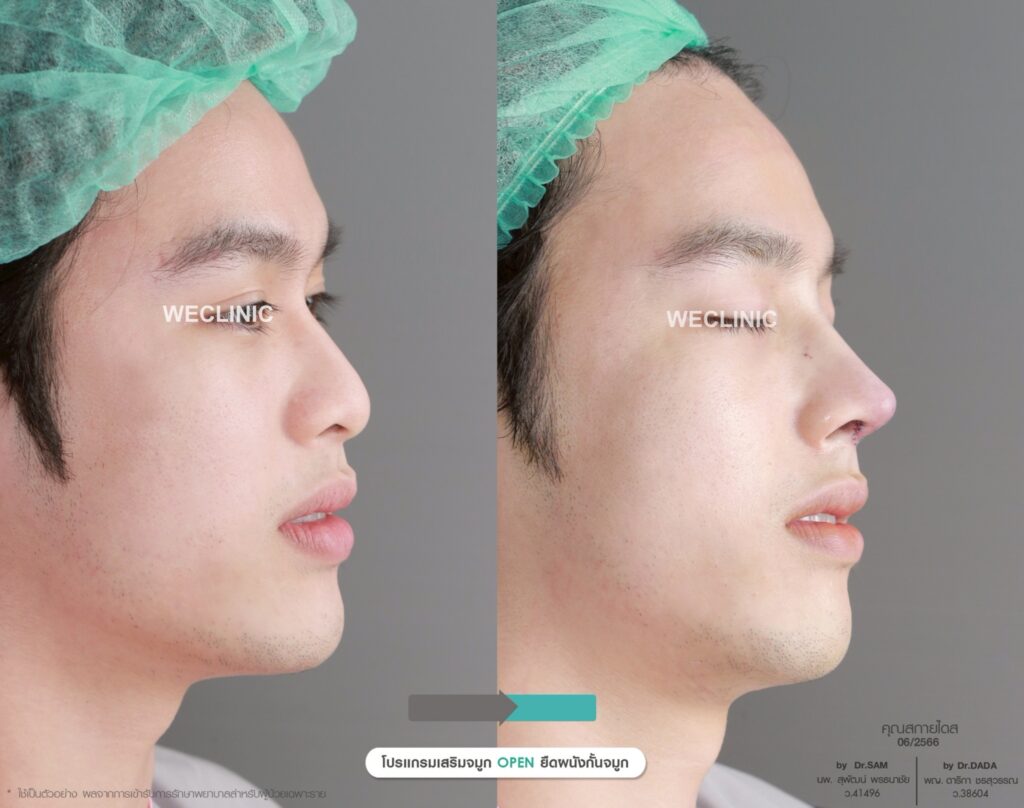
A flat nose refers to a nose with a poorly defined bridge particularly in the area between the inner corners of both eyes. This gives the nose a low, flat appearance with little to no dimension. Here are the most common characteristics to look out for:
- A low or sunken nose bridge near the inner eye corners — The area from the brow line down to the inner eye corners lacks projection, making the upper nose appear flush with the rest of the face.
- A flat facial profile when viewed from the side — The eye and nose area has minimal depth, giving the face an overall flat, less sculpted appearance.
- Eyes that appear wider-set than they actually are — Without a defined nose bridge to visually divide the center of the face, the space between the eyes looks broader and more open.
- A short, upturned tip with visible nostrils — In more pronounced cases, the nose can look shorter overall, with a tip that appears more upturned than usual and nostrils that are more visible from the front.
- Glasses that constantly slide down — Because the nose bridge isn’t high enough to properly support the nose pads, glasses tend to slip down more frequently than normal.
- Wide nostrils or a lack of nasal tip refinement — Some people with a flat nose also have a wider nostril base or a less defined tip, which further adds to the overall flat, unbalanced appearance.
What Causes a Flat Nose?
A flat nose rarely comes down to just one factor. It’s usually a combination of natural nasal structure, genetics, and external influences. Here are the most common causes:
- Genetics and ethnic nasal structure — This is one of the most common contributing factors. Nose bridge shape is largely inherited, and many people of Asian descent naturally have a lower, wider nose bridge compared to other ethnicities, which can result in a less prominent nasal profile.
- Individual bone and cartilage structure — A flat nose bridge can simply be the result of naturally low nasal bones and cartilage in the bridge area, giving the nose a flatter, less defined appearance from the start.
- Trauma or impact to the nose — Injuries from falls, contact sports, or accidents can damage or displace the nasal bones and cartilage, causing the bridge to collapse or flatten over time.
- Previous rhinoplasty complications — In patients who have had nose surgery before, over-correction or post-surgical complications can leave the bridge looking sunken, flat, or uneven.
- Congenital nasal abnormalities — Though less common, some individuals are born with underdeveloped nasal bones or cartilage, resulting in a bridge that appears lower or less defined than typical.
How to Tell If You Have a Flat Nose
Assessing whether you have a flat nose comes down to looking at your profile and your face as a whole because the nose bridge plays a direct role in how much dimension your face appears to have. Here’s a simple self-check to get started:
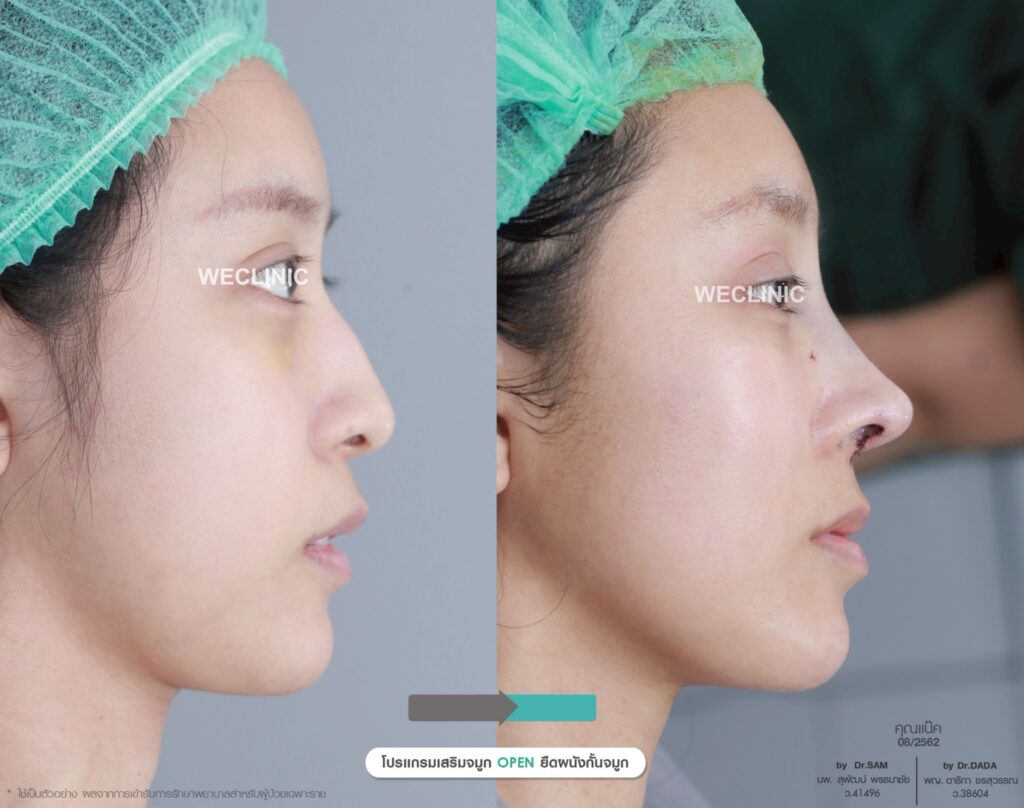
- No visible nose bridge line from the side — When looking in the mirror or taking a side photo, if the area from your forehead down to the inner eye corners appears completely flat with no visible ridge, that’s a key sign of a flat nose bridge.
- A low or barely visible bridge at the inner eye corners — If the starting point of your nose bridge lacks projection and blends into the surrounding face, the center of your face will tend to look flat and lacking in depth.
- An upturned tip, wide tip, or broad nostrils — In some cases, a flat nose bridge comes with a shorter or more upturned tip and less defined shape overall, all of which can make the nose appear even flatter from the front.
- Eyes that look wider-set than they really are — Without a defined bridge to visually anchor the center of the face, the space between the eyes can appear broader than it actually is.
That said, a self-assessment is only a starting point. For an accurate evaluation, it’s best to have a specialist at WE Clinic assess your nasal structure and facial proportions in person so any reshaping plan is tailored specifically to you.
Is Rhinoplasty a Good Option for a Severely Flat Nose?
For those with a significantly flat nose, rhinoplasty can genuinely help create more dimension and better facial balance. However, choosing a nose shape shouldn’t come down to personal preference alone — it also needs to account for your existing nasal structure, soft tissue thickness, and how the result will harmonize with your overall facial features.
This is especially important for patients with a very flat bridge or minimal soft tissue coverage. In these cases, a thorough evaluation is essential before deciding on a technique. Over-projecting the bridge in patients with thin skin or limited tissue can increase the risk of a thinning nasal tip or even implant exposure — which is why the surgical plan must be carefully tailored to each patient’s individual limitations.
There are several rhinoplasty techniques available for correcting a flat nose, and each one is suited to different structural concerns. Understanding these options can give you a clearer picture of which approach fits your nose type and what kind of results you can realistically expect.
Read more: Nasal Structure Inside and Out — What You Should Know Before Getting a Nose Job
Which Rhinoplasty Technique Works Best for a Severely Flat Nose at WE Clinic?
Correcting a severely flat nose isn’t a one-size-fits-all procedure. Every patient is different varying in the degree of bridge flatness, underlying nasal structure, soft tissue volume, and any additional concerns such as a short tip, wide tip, or broad nasal base.
At WE Clinic, we approach flat nose correction through two main rhinoplasty techniques: open rhinoplasty and closed rhinoplasty. Each has its own strengths, and the right choice depends on whether the goal is simply to add height to the bridge — or whether the underlying nasal structure also needs to be reshaped for a more balanced, natural-looking result.


1. Open Rhinoplasty
Open rhinoplasty is a technique where Dr. Dada at WE Clinic makes a small incision at the base of the nose known as the columella to gain direct access to the internal nasal structure. This allows for a much clearer view of the framework beneath, making it the preferred approach for more complex cases.
It’s particularly well-suited for patients with a significantly flat nose bridge, an undefined nasal structure, a short tip, or a nose that requires substantial reshaping across multiple areas at once.
The key advantage of this technique is the level of precision it offers. With direct visibility of the internal structure, the surgeon can make detailed adjustments to the bridge, tip, and nasal axis resulting in more controlled, predictable outcomes. It’s especially beneficial for patients who want more noticeable improvements, or whose existing nasal structure can’t be adequately addressed through a standard closed approach alone.
In some cases, open rhinoplasty is also the right choice for patients with a wide nasal base, a bulbous tip, or those looking to revise a previous nose job — as the open approach allows the surgeon to assess and correct structural issues far more accurately.
That said, because it’s a more involved procedure, operating time is generally longer, and proper post-operative care is important to support good healing and minimize scarring.
Advantages:
- Best suited for severely flat nose bridges or cases involving multiple structural concerns
- Gives the surgeon a clear, direct view of the internal structure for more precise reshaping
- Allows the bridge, tip, and nasal base to be addressed in a single procedure
- Ideal for revision rhinoplasty or cases requiring more than just bridge augmentation
Disadvantages:
- Longer operating time compared to closed rhinoplasty
- Recovery period may be slightly longer
Interested in open rhinoplasty? Read more: Open Rhinoplasty Review — A Beautiful, Lasting Result in One Go
2. Closed Rhinoplasty
With closed rhinoplasty, all incisions are made inside the nostrils, nothing on the outside, no visible scarring. If you have a decent nasal foundation to begin with and you’re mainly looking to raise the bridge or make moderate tweaks, this is often the go-to option.
It’s a popular choice for patients with a mildly flat nose or a reasonably balanced nose structure, mostly because the downtime is shorter and there’s nothing to show on the outside once it’s done.
Where it gets tricky is when the flat nose is more severe or when there are other issues in the mix, like a short tip, a bulbous tip, or a noticeably wide nasal base. In those cases, closed rhinoplasty has its limits, and it really does come down to what your surgeon finds during a proper evaluation.
One thing worth knowing: even with a closed approach, your surgeon may still reinforce the tip using your own tissue or a suitable material to take pressure off the tip area and keep things stable long-term.
Advantages:
- No visible scarring — incisions stay completely hidden inside the nostrils
- Shorter time in the operating room
- Quicker recovery overall
- A solid option if you want moderate bridge augmentation with results that look natural
Disadvantages:
- Less room to work with structurally compared to open rhinoplasty
- Not the best fit for severely flat noses or more complex cases
- Pushing beyond what your nose can naturally support increases the risk of complications
3. Supplementary Techniques Often Used Alongside Flat Nose Correction
For patients with a significantly flat nose, the surgeon may not rely on open or closed rhinoplasty alone. Supplementary techniques are often combined to achieve a more balanced result that works with rather than against the patient’s existing nasal structure. The most commonly used additions include:
- Nasal tip support using cartilage or tissue grafts — This technique helps reduce pressure from the implant on the tip area. It’s particularly recommended for patients with thin nasal skin or those at higher risk of tip thinning and implant exposure over time.
- Alar base reduction — For patients with a wide nasal base or an overall nose shape that feels out of proportion with the face, alar base reduction helps narrow the nostrils and brings the nose into better harmony with the surrounding facial features.
- Tip suturing techniques — This refines and tightens the nasal tip, making it appear slimmer and more defined. It’s especially useful for patients with a bulbous or rounded tip, and gives the overall nose a softer, more natural finish.
Which Nose Shape Works Best for a Flat Nose?
Choosing the right nose shape for a flat nose isn’t just about picking what looks good on a reference photo. It needs to account for your existing nasal structure and overall facial proportions so the result actually suits your face and looks natural, not done. Here are the nose shapes most commonly recommended for flat nose cases:
- Slope tip projection (Sloped bridge with a projected tip) — This is one of the most popular choices for patients with a flat or undefined nose bridge. It adds dimension to the face by creating a gentle, gradual slope from the inner eye corners down, while lifting the tip to just the right angle. The result is a sharper, more defined look that still feels soft and natural.
- Barbie nose — A good fit for patients who want a more striking result — particularly those who already have some tip definition but lack bridge height. This shape adds a more prominent slope to balance the tip projection, giving the face more dimension with a feminine, polished finish.
- Droplet nose (Teardrop nose) — Best suited for patients with a short nose or an upturned tip. This shape adds length to the tip and gives it a subtle downward rotation, making the nose look more proportionate and refined overall.
How Much Does Rhinoplasty for a Flat Nose Cost?
Rhinoplasty for flat nose correction at WE Clinic starts from 30,000 THB for closed rhinoplasty and 79,000 THB for open rhinoplasty. Pricing varies depending on the technique used and the specific details involved in each case.
For cases that require additional steps such as ear cartilage grafting for tip support, nasal base stabilization, or further structural adjustments the cost may be higher depending on what’s needed.
This is exactly why an in-person consultation matters. Getting a proper assessment beforehand means the surgical plan is built around your actual nasal structure so you get results that are both beautiful and safe.
Flat Nose vs. Broken Nose — Are They the Same Thing?
Not at all. A flat nose and a broken nose are two very different conditions.
A flat nose refers to a bridge that has always been low, wide, or undefined typically tied to genetics or natural nasal structure. A broken nose, on the other hand, usually results from trauma or a direct impact that causes the nasal bone to shift, collapse, or deform.
The easiest way to tell them apart: a flat nose makes the face look two-dimensional and lacking in depth, while a broken nose typically shows a visibly crooked or misshapen bridge and in some cases, the person may also have difficulty breathing.
Either way, getting a proper assessment from a surgeon is the best first step before deciding on any correction.
Flat Nose Key Takeaways
A flat nose is characterized by a low, wide, or poorly defined bridge that takes away depth and dimension from the face. It can stem from genetics, natural nasal structure, past trauma, or previous rhinoplasty and may come with additional features like a short or upturned tip and wide nostrils.
Correction options range from non-surgical treatments like dermal fillers which work well for mild cases to open or closed rhinoplasty for more defined, long-lasting results. The right technique and nose shape will always depend on the individual’s existing nasal structure, soft tissue volume, and facial proportions.
For patients with a significantly flat nose or thin nasal skin, a thorough evaluation by a qualified surgeon is essential before moving forward. Book a free consultation with the WE Clinic team to get a correction plan built specifically around you.


สำหรับผู้อ่านทุกท่านที่มีข้อสงสัยเพิ่มเติม ทีมแพทย์ We Clinic ยินดีให้คำปรึกษาฟรี
โดยไม่มีค่าใช้จ่าย หรือสามารถปรึกษาหมอทาง facebook หรือ Line ได้ที่นี่เลยครับ