
The eyes hold a unique magic—they reflect emotion, energy, and identity. A well-defined gaze can enhance your entire appearance, and Double Eyelid Surgery plays a key role in adding charm and facial balance. For those with monolids, uneven creases, or undefined contours, today’s advanced techniques offer natural-looking results tailored to your features.
If you’re looking to enhance your gaze, fix asymmetry, or create a soft double eyelid crease, this article covers everything you need to know. From understanding eye shapes to choosing the right Double Eyelid Surgery technique, we’ll guide you toward results that feel natural and uniquely you.
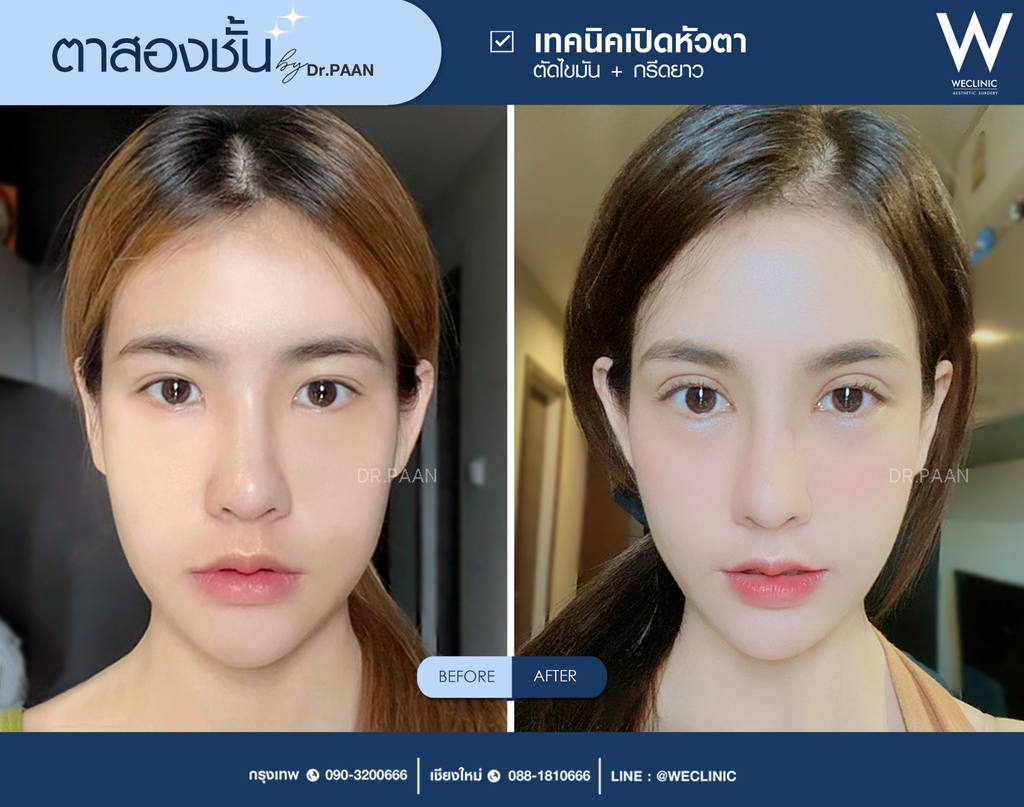
Understanding Eyelid Types Before Double Eyelid Surgery
Before diving into the details of Double Eyelid Surgery, it’s important to first understand the basic differences between eyelid types, specifically monolids and double eyelids.
Eyelids come in various shapes, but generally, they are categorized into two main types: monolids and double eyelids. A monolid is characterized by the absence of a visible crease when the eyes are open, giving the upper eyelid a flat appearance.
In contrast, a double eyelid features a visible crease either prominent or subtle that creates a natural fold when the eyes are open. This crease adds depth and definition to the eyes, often making them appear larger and more expressive.
Who Is a Good Candidate for Double Eyelid Surgery?
Hidden or Partial Double Eyelids
Some individuals have what’s known as a “hidden double eyelid” or “partial fold,” where the crease is tucked deep into the eyelid and not clearly visible when the eyes are open. This can give the appearance of a monolid or cause the eyes to look less defined. In such cases, Double Eyelid Surgery can be performed to create a more visible and aesthetically pleasing crease that enhances the natural shape of the eyes.
Uneven Eyes
Uneven eyes refer to a noticeable size or shape difference between the two eyes, which can disrupt the overall balance of the face. In many cases, this asymmetry is caused by differences in the eyelid creases such as one eyelid having a higher or thicker fold than the other leading to a mismatched appearance.
When this imbalance is due to inconsistent or poorly defined eyelid folds, Double Eyelid Surgery can help correct the issue. The procedure can reshape the crease on one or both eyes, restoring harmony and enhancing the natural symmetry of the face, especially for those with structural irregularities in either or both eyelids.

Monolids and Small Eyes
Monolids and Small-Looking Eyes Monolids, commonly seen in Asians, lack a visible eyelid crease, which can make the eyes appear flat or less dimensional. This often gives the face a more serious or stern look. Double Eyelid Surgery can create a natural crease that adds depth to the eyes and softens facial expressions, making the overall appearance look more open and friendly.

Droopy Eyelids and Excess Fat
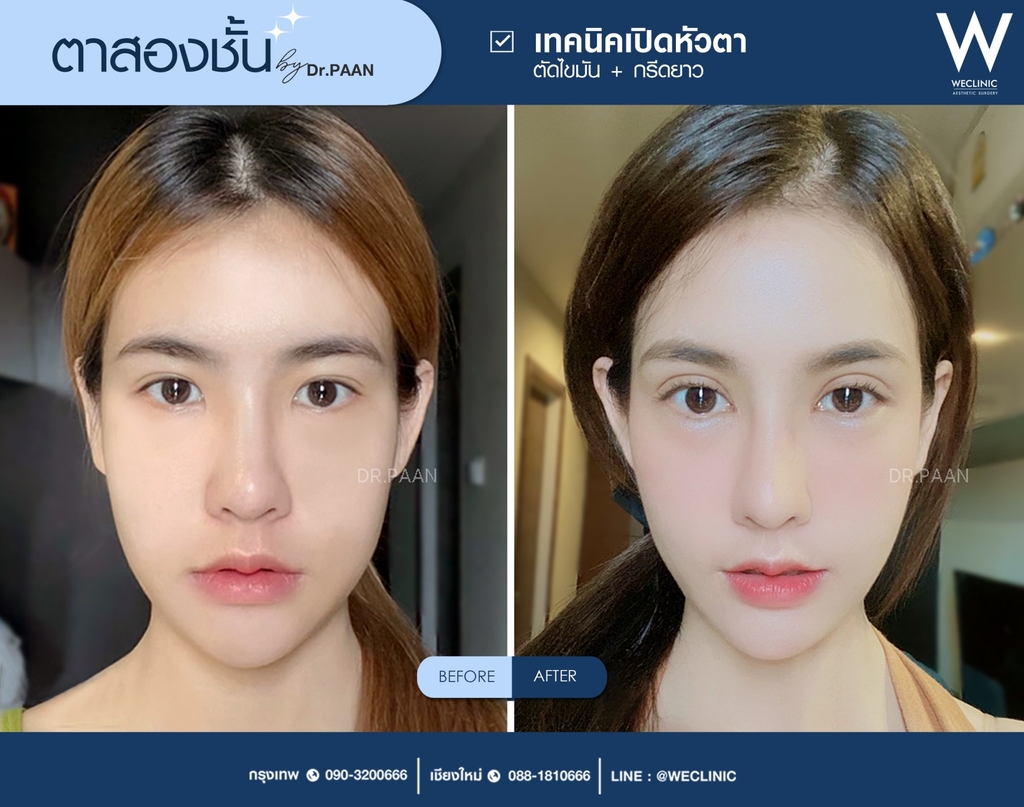
Excess eyelid skin and fat can make the eyes look tired, aged, or unbalanced. In some cases, one lid may droop more than the other, creating asymmetry or a hidden crease. When severe, it can even affect vision.
Double Eyelid Surgery can correct these concerns by removing excess skin or fat and creating a more defined crease, restoring a youthful, alert appearance and improving facial balance.
Ptosis & Weak eyelid muscle
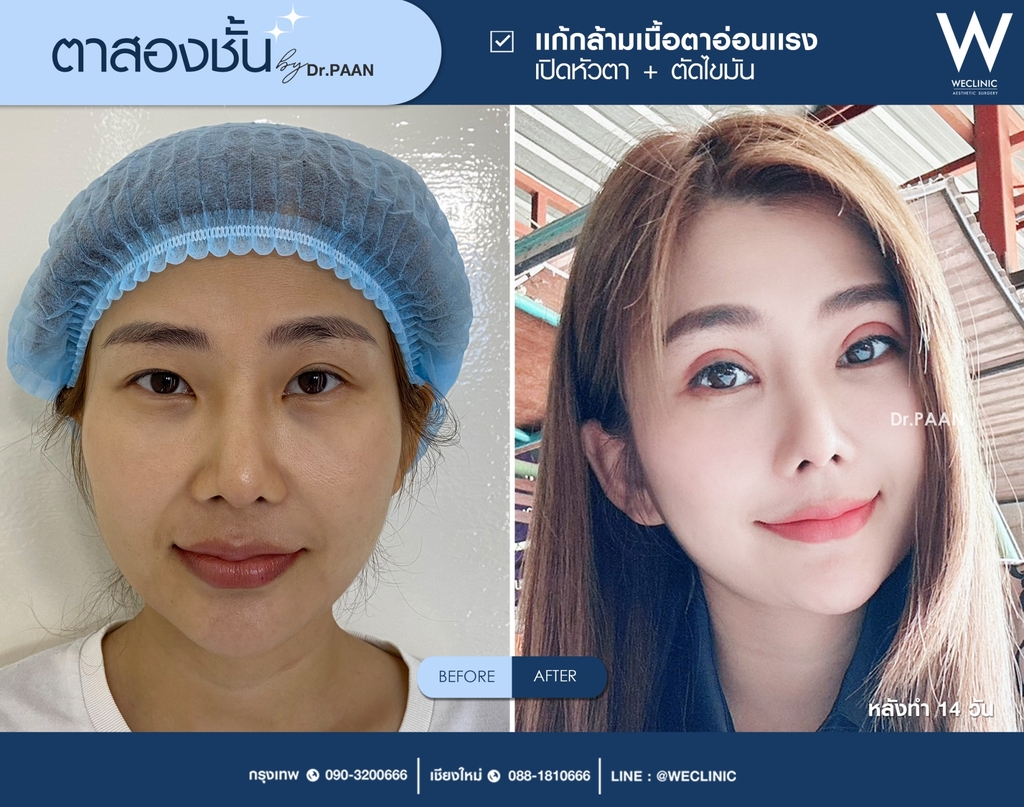
Eyes that appear sleepy or weak can make the face look tired and older than it really is. This condition is often caused by weak eyelid muscles.
In such cases, Double Eyelid Surgery sometimes combined with Ptosis correction can lift the eyelids and create a natural-looking crease, helping the eyes appear brighter, more youthful, and refreshed.


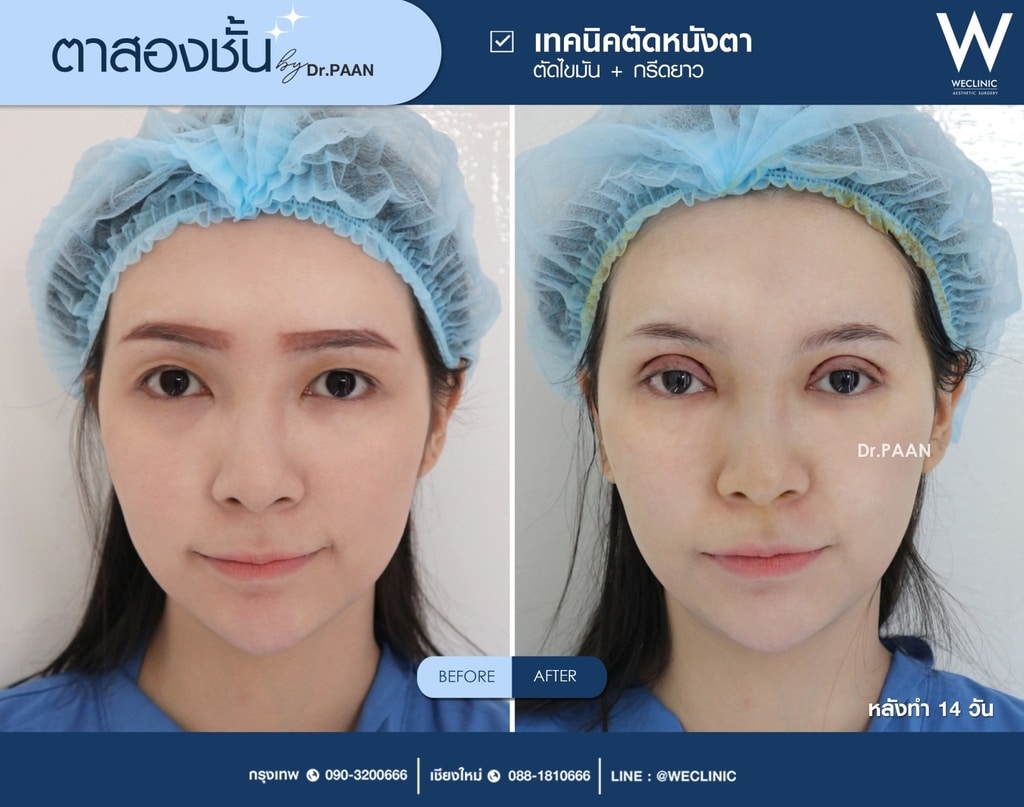

How to Take Care of Your Eyes
The eyes are one of the most active organs in the body—used every waking moment. Since they rarely get rest outside of sleep, taking care of both your eyes and eyelids is essential. Here are simple habits to help protect and maintain healthy eyes:
- Get enough sleep: Rest is crucial for eye recovery and reducing fatigue.
- Avoid excessive screen time or eye strain: Take breaks from staring at screens or bright lights.
- Don’t rub your eyes: This can cause the eyelids to sag and may damage the delicate skin around the eyes.
- Protect your eyes from wind exposure: When riding a motorcycle or exposed to strong wind, wear a helmet with a face shield to prevent direct irritation.
- Eat foods rich in vitamin A: Vegetables like pumpkin, carrots, corn, and ivy gourd help nourish and support overall eye health.
What Type of Eyes Look Naturally Beautiful?
Western-Style (European) Eyes

Western-style double eyelids typically feature larger, rounder, and more defined eyes with a clear, prominent crease and a wide-open inner corner. This eye shape is energetic and dimensional, ideal for those with naturally larger eyes.
However, even if you have smaller eyes, you can still achieve this attractive look through additional techniques like epicanthoplasty (inner-corner opening) and lateral canthoplasty (outer-corner opening), combined with the full-incision Double Eyelid Surgery method. This approach ensures a naturally beautiful, Western-style eye appearance for everyone.
Korean-Style Eyes
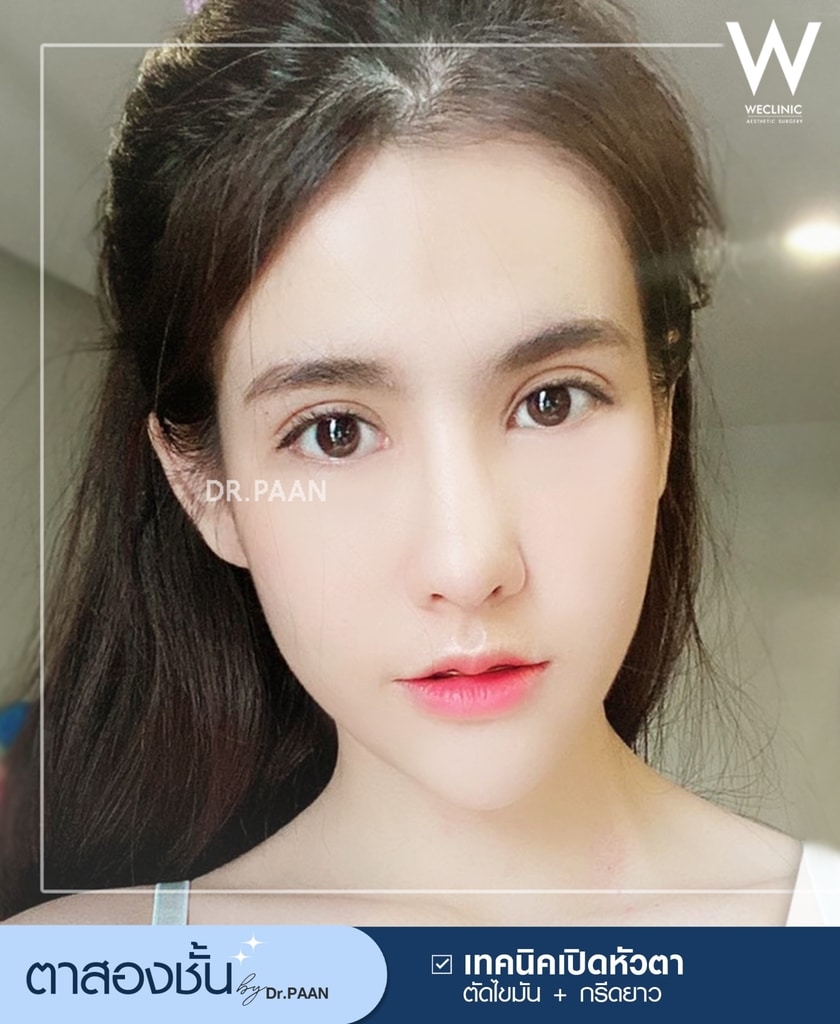
The Korean-style double eyelid is ideal for Asian faces, featuring a clear yet subtle eyelid crease that’s thinner and more natural-looking than the Western style. This style gives the eyes a gentle, sweet appearance and suits those with smaller eye structures.
For individuals with very small eyes or deep-set eyelids, additional techniques like epicanthoplasty (inner-corner opening) or eyelid fat repositioning can be combined with Double Eyelid Surgery to achieve a naturally beautiful Korean-style look.
Swan-Shaped Eyes

Swan-shaped eyes feature outer corners that slightly lift upwards, resembling a graceful swan’s tail. This distinctive shape creates a sexy, intriguing look.
To achieve this attractive style, you can combine various surgical methods, such as epicanthoplasty (inner-corner opening) and lateral canthoplasty (outer-corner opening). Additionally, techniques like an eyebrow-lift incision hidden beneath the brow, along with Double Eyelid Surgery, can further define your eyes and enhance this sophisticated, alluring appearance.
Barbie Eyes

Barbie-style eyes are characterized by a large, round shape with a clear, sweet double eyelid crease. Unlike Western-style eyes, the curve of Barbie-shaped eyes runs more parallel from the inner to the outer corner, creating an innocent, doll-like appearance.
To achieve this look, surgeons typically combine multiple techniques such as eyelid muscle adjustment, epicanthoplasty (inner-corner opening), lateral canthoplasty (outer-corner opening), and customized Double Eyelid Surgery, giving your eyes a bright, youthful, and charming appearance.
Thai-Style (Almond-Shaped) Eyes

Thai-style double eyelids, also known as almond-shaped eyes, feature a clear and distinct eyelid crease. This eye shape elegantly tapers at both corners, resembling the graceful curve of an almond, and suits faces with defined features.
For individuals with smaller eyes, additional techniques like epicanthoplasty (inner-corner opening) and lateral canthoplasty (outer-corner opening) can be performed prior to customized Double Eyelid Surgery, ensuring a natural and beautifully defined almond-shaped appearance.
Which Double Eyelid Surgery Technique is Right for You?
1. Short-Incision Double Eyelid Surgery
The short-incision method involves making a small incision (approximately 3–5 mm) on the upper eyelid without removing excess skin. This minimally invasive technique results in less tissue trauma, quicker recovery, minimal swelling, and a very natural-looking eyelid crease.
However, because the incision is small, this method is most suitable for younger patients with minimal eyelid skin, no drooping issues, and little to no excess fat on the eyelids.

2. Full-Incision Double Eyelid Surgery
The full-incision technique involves creating a continuous incision from the inner to the outer corner of the upper eyelid. This approach allows precise design of the eyelid crease across the entire lid, making it ideal for reshaping and customizing the fold’s curve and depth.
It is especially effective for correcting droopy eyelids, removing excess fat and skin, and enhancing definition. The results appear natural yet more pronounced, making this method suitable for those seeking dramatic and lasting improvement. It’s ideal for all age groups, including those with existing creases or sagging skin, and it also helps address concerns about excess fat in the upper eyelid.
3. Double Eyelid Surgery with Ptosis Correction (LIDLOCK Technique)
This procedure combines Double Eyelid Surgery with correction of weak eyelid muscles. It involves adjusting the levator muscle—the muscle responsible for lifting the eyelid so that the eyes appear larger, brighter, and more awake, with the black iris more clearly visible. This technique is ideal for addressing issues like droopy eyelids, tired-looking eyes, and congenital or acquired ptosis, without needing an exaggerated or oversized crease.
The LIDLOCK (Ptosis Surgery) technique is used to correct eyelid muscle weakness and prevent future sagging. The process begins with a professional evaluation to assess the degree of muscle droop. The surgeon then designs a new eyelid shape tailored to your facial structure, removes excess skin and fat if needed, and uses the LIDLOCK method to securely anchor the new crease in place.

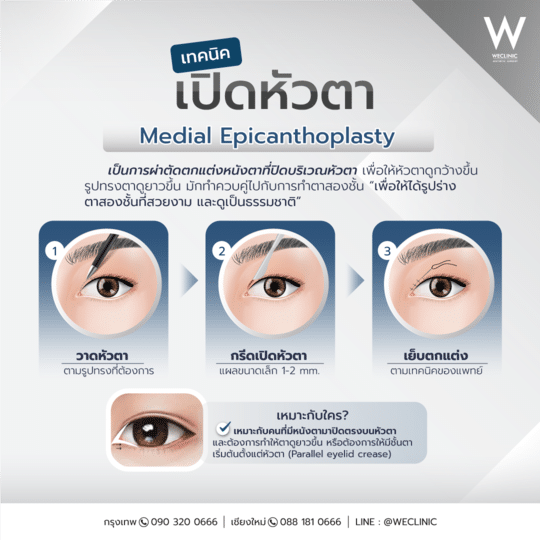
4. Inner-Corner Opening (Epicanthoplasty) in Double Eyelid Surgery
Inner-corner opening, or epicanthoplasty, is a procedure that widens the inner corners of the eyes, making the eyes appear longer and more open. This technique is ideal for individuals who want to enhance their eye shape while undergoing Double Eyelid Surgery.
By combining both procedures, patients can achieve a more balanced and natural-looking result. Opening the inner corners allows the new eyelid crease to start from the very beginning of the eye, creating a smoother, more refined double eyelid line that complements the overall facial structure.
5. Outer-Corner Opening (Lateral Canthoplasty) in Double Eyelid Surgery
Lateral canthoplasty, or outer-corner opening, is a surgical technique that reshapes and lifts the outer corners of the eyes. This procedure can correct downturned eyes, sad-looking expressions, or small, short eyes by extending the eye horizontally and increasing the visible space.
It’s also a helpful solution for individuals with inward-turning lashes that cause irritation, or for those who believe that sharper outer corners improve facial balance and personal charm. When combined with Double Eyelid Surgery, this technique creates a more defined and harmonious eye shape tailored to your aesthetic goals.
6. Fat Repositioning for Sunken Eye Correction in Double Eyelid Surgery
For individuals with hollow or sunken upper eyelids, fat repositioning is a surgical technique used to restore volume and create a more youthful, natural eye contour. This involves transferring fat from surrounding areas of the upper eyelid to the sunken region, helping to smooth out deep eye sockets.
The procedure can be combined with Double Eyelid Surgery and levator advancement to lift the eyelid muscle. However, the feasibility of fat repositioning depends on whether enough viable fat is available in the surrounding area.
In cases where fat repositioning isn’t possible, alternatives like fat grafting or micro fat injections can also be considered. Since the fat is harvested from your own body, the procedure is safe, biocompatible, and poses minimal risk of allergic reaction or side effects.

7. Double Eyelid Surgery with Additional Techniques
In addition to standard suturing methods, Double Eyelid Surgery can be combined with other techniques to further enhance the overall appearance of the eyes.
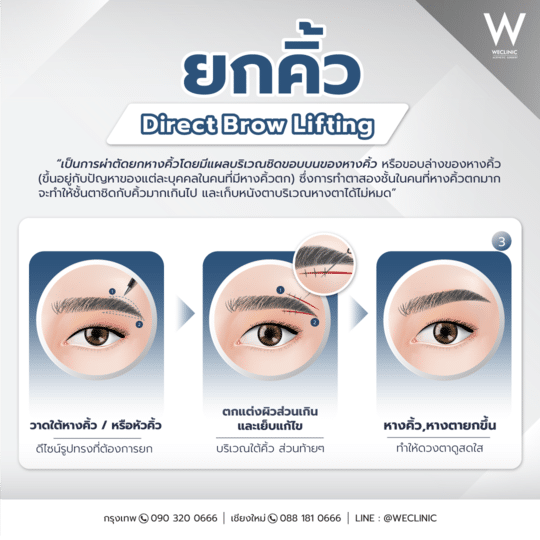
- “A brow lift” adjusts the position of the eyebrows to brighten the overall appearance of the eyes and face. It is often performed alongside procedures that address drooping upper eyelids. In some cases, when the outer brow droops too close to the eyelid, it can interfere with the results of Double Eyelid Surgery making the crease appear too close to the eyebrow. This issue can be corrected through a brow lift.
The incision is typically placed either just above or below the outer brow, depending on the individual’s needs and facial structure.
- “Lower eyelid surgery” refers to the surgical reduction or elimination of fat pockets beneath the eyes. This method is ideal for younger individuals who don’t have significant skin laxity in the under-eye area. One key benefit of this procedure is that results are immediate—once the fat is removed, it does not return. The outcome is a more refreshed and youthful appearance around the eyes.
This method is suitable for individuals with sagging under-eye skin due to aging. It involves removing excess fat, which helps eliminate under-eye bags. One advantage of this approach is that the incision, placed along the lower lash line, is barely visible. The result is a more youthful and refreshed look.

Preoperative Preparation for Double Eyelid Surgery
Before undergoing Double Eyelid Surgery, clinics or hospitals will provide clear preoperative instructions and review your medical history, including any known drug allergies. You will typically be advised to:
- Avoid certain foods that may cause inflammation
- Stop taking Aspirin, supplements, or vitamins 1 week prior to the surgery
- Refrain from smoking and consuming alcohol
These precautions help minimize the risk of complications and support a smooth recovery.
Double Eyelid Surgery begins with the administration of a local anesthetic to the upper eyelid area, ensuring comfort and a pain-free experience throughout the procedure. Once the area is numb, the surgeon carefully creates or enhances the eyelid crease according to the pre-discussed design. The specific technique used will depend on your eye structure and personal preferences.
Before the procedure, the surgeon will walk you through each step in detail, ensuring that you feel informed and confident. The entire surgery typically takes around 30 to 90 minutes.
Post-Operative Care After Double Eyelid Surgery

Post-operative care after double eyelid surgery is extremely important. With proper care, the wound will heal faster and the results will become aesthetically pleasing more quickly. Although the doctor will provide specific instructions, let’s clearly go through what needs to be done.
- During the first 1–3 days, apply a cold compress to reduce bleeding and minimize swelling by constricting blood vessels. Keep the incision dry. If light bleeding occurs, gently press with sterile gauze.
- From day 4 onward, switch to warm compresses to reduce bruising and promote healing.
- For the first 1–2 weeks, sleep with your head elevated to minimize swelling.
- Avoid getting the incision wet until the stitches are removed (typically around day 7). You may gently clean your face using a damp cloth or cotton pad.
- After 7 days, once the incision has fully healed, the clinic will schedule a painless, anesthesia-free suture removal. A nurse will gently remove the stitches within 10 minutes.
- Clean the wound consistently according to your doctor’s instructions.
- Avoid fermented foods, eggs, seafood, and alcohol for one month to prevent raised scars or itchiness.
- To reduce tightness and help the eyelid settle into shape, gently massage from the outer corner of the eye toward the inner corner, then repeat in reverse. Do this twice daily morning and evening.

Possible Side Effects After Double Eyelid Surgery
After Double Eyelid Surgery, some side effects may occur. Most symptoms are temporary and resolve on their own. If you have any concerns, you can consult the specialist at the clinic where the procedure was performed.
Uneven Swelling
After Double Eyelid Surgery, one eye may appear more swollen than the other, especially in cases involving ptosis correction. This can temporarily resemble droopy eyelids due to swelling. To manage this, apply a warm compress on the more swollen side and avoid sleeping on that side. In most cases, the condition resolves naturally within 1 to 3 months.
Subconjunctival Hemorrhage
This condition occurs when small blood vessels under the white part of the eye rupture. It may look concerning but is typically harmless. Cold compresses can help relieve swelling, and lubricating eye drops or artificial tears may be used if irritation occurs. The redness generally fades on its own within two weeks.
Eye Twitching
Mild eye twitching can occur in anyone, but for those who’ve recently undergone double eyelid surgery, it often results from the eye muscles adjusting to a wider eye shape. This temporary change may lead to dryness and twitching. Using artificial tears and making minor lifestyle adjustments can help relieve the symptoms.
Double Eyelid Surgery Price
The starting price for Double Eyelid Surgery is 28,900 THB, with the final cost depending on your natural eye shape, skin condition, and whether any additional procedures are needed such as ptosis correction, fat repositioning, or canthoplasty for optimal results.
Since each patient’s needs are unique, we recommend sending a clear, well-lit photo of your eyes for an initial evaluation. Our team will guide you through the photo submission process and provide personalized recommendations based on your desired outcome.
- Ensure good lighting, preferably natural daylight. Avoid using flash.
- Submit makeup-free photos with no filters or enhancements.
- Remove all eye makeup, including eyeliner and false eyelashes.
- Take one frontal photo with eyes open, looking directly at the camera at a 90-degree angle.
- Take another frontal photo with eyes closed, also at a 90-degree angle.
- Once ready, send the photos to the clinic via the designated contact channels.

Where to Get Double Eyelid Surgery?
If you’ve decided to undergo double eyelid surgery, the next crucial step is choosing a trusted clinic or hospital. Since the eyes are one of the most delicate areas of the face, selecting the right facility is essential for both safety and satisfying results. Here’s what to consider when choosing a clinic for your procedure.
- Verify the clinic or hospital credibility Look for real patient reviews and before–after photos from the medical team. This helps confirm that the doctor can truly deliver the eyelid style you want.
- Choose a surgeon with eye expertise The eyes are both delicate and central to facial beauty. To avoid unexpected results, select a board-certified surgeon who deeply understands eyelid anatomy and can tailor the procedure precisely to your needs.
- Ensure high hygiene and safety standards Cleanliness is critical for any surgery. Not only should the facility look sanitary, but all surgical tools must be sterilized and up-to-date to minimize the risk of infection.





Frequently Asked Questions
Many people interested in double eyelid surgery still have some unanswered questions. Let’s take a look at the most common concerns.
How Long Does Swelling Last After Double Eyelid Surgery?
After Double Eyelid Surgery, swelling is expected and typically lasts about 10–14 days. From there, the swelling gradually subsides over time. Most patients begin to see natural-looking results within 2 to 3 months as the eyelids fully settle into shape.
Unsatisfactory Results or Aged Appearance After Double Eyelid Surgery?
It’s common to feel that the eyes look unnatural or older during the early healing phase, as swelling subsides and the new crease begins to settle. This often improves within 6 months. However, if the result still appears unflattering, it could be due to an unsuitable crease design or unresolved underlying issues, such as ptosis or deep eye sockets
Does Double Eyelid Surgery Change Your Appearance?
Since the eyes are one of the most prominent features on the face, any alteration is often noticeable. For some individuals, especially those who undergo eye shape correction, the overall facial appearance may significantly change. Double eyelid surgery, in particular, can enhance facial dimension and create a fresher, more vibrant look.

Summary
If you’re thinking about reshaping your eyes, correcting monolids, or enhancing your natural look with double eyelid surgery, it’s essential to gather accurate information first. Consulting with a qualified specialist can help you understand which crease design and surgical technique best suit your facial features.
At We Clinic, our experienced surgeons are ready to assist with double eyelid surgery, revision procedures, or correcting asymmetry and excess eyelid skin. You can contact us via IG:weclinic or LINE:@weclinic for a free consultation, or reach out directly at: We Clinic Bangkok: 090-320-0666, 090-321-0666 We Clinic Chiang Mai: 088-181-0666


สำหรับผู้อ่านทุกท่านที่มีข้อสงสัยเพิ่มเติม ทีมแพทย์ We Clinic ยินดีให้คำปรึกษาฟรี
โดยไม่มีค่าใช้จ่าย หรือสามารถปรึกษาหมอทาง facebook หรือ Line ได้ที่นี่เลยครับ